


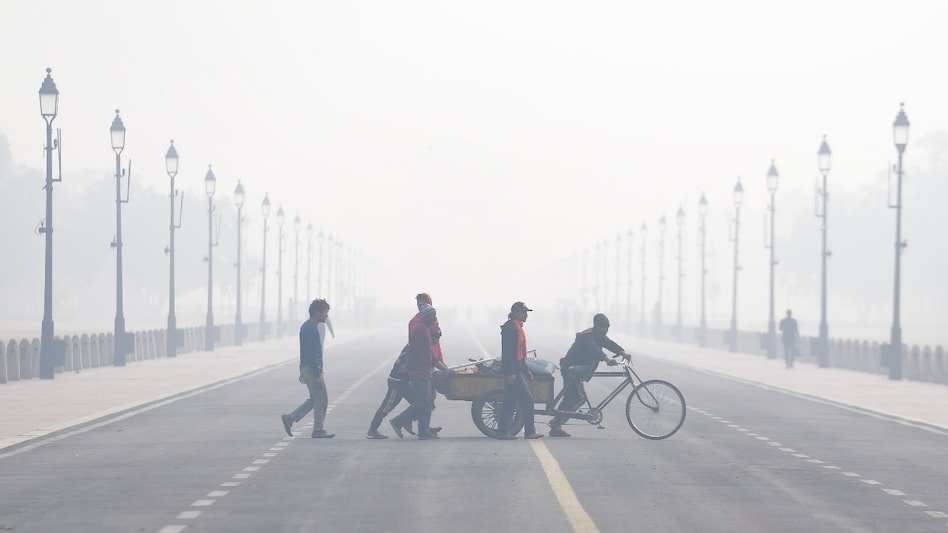
 Delhi air pollution: AQI 'very poor' at 361 on Thursday
Delhi has been identified as the most polluted among 33 Indian states and Union territories, with an annual mean PM2.5 concentration of 101 micrograms per cubic metre. This level is 2.5 times higher than the Indian national standard and 20 times above the World Health Organisation guideline, according to a new satellite-based analysis covering March 2024 to February 2025.
This comes amid days of low air quality, reaching a ‘severe’ category on some days. On Tuesday, the AQI of Delhi was recorded at 361, as per SAFAR-India.

 NSE share price: PL Capital roots for capital market goliath, sets target of Rs 1,950
 NSE shares: RK Damani, Azim Premji, NRN, Dolly Khanna & others see fortunes rise as stock jumps 5%
 PB Fintech shares crash 32%: Why Policybazaar parent fell like deck of cards; 1.42 lakh retail investors hit; targets
 Sensex, Nifty crash; fear index shoots up 24%: Key factors weighing on the market
 Elevate Campuses IPO: Why India’s student housing market is drawing investor attention?
 NSE: Why Market Deepening Could Create More Demand For The Stock
 NSE Shares: Why The Exchange Could Be A Long-Term Compounding Story
 NSE Shares: 36-Month SIP Approach For A 10-Year Portfolio? Deven Choksey Explains
 NSE Listing: Why Institutional Investors Remain Bullish On The Exchange
 Trump Vs Pezeshkian: UNGA Showdown As U.S.-Iran Talks Continue Behind The Scenes
 Vishal Mega Mart shares gain as Jefferies, Morgan Stanley suggest up to 51% upsideElevate Campuses IPO: Why India’s student housing market is drawing investor attention?Sensex, Nifty crash; fear index shoots up 24%: Key factors weighing on the marketNSE share price: PL Capital roots for capital market goliath, sets target of Rs 1,950
 NSE stock gets thumbs up from Street; here's highest share price target
 Heavy Rain, Gusty Winds Cause Huge Losses In Telangana’s Burgampadu
 Gautam Adani, Wife Preeti Offer Prayers At Kolkata’s Kalighat Temple During City Visit
 India-China Trade Hits $151 Billion: Commerce Secretary Rajesh Agarwal on Bigger Market AccessNSE: Why Market Deepening Could Create More Demand For The Stock
 Shocking Visuals: Greater Noida Bus Fire Leaves 9 Dead, FIR Flags Smoking, Ignored Alerts












