


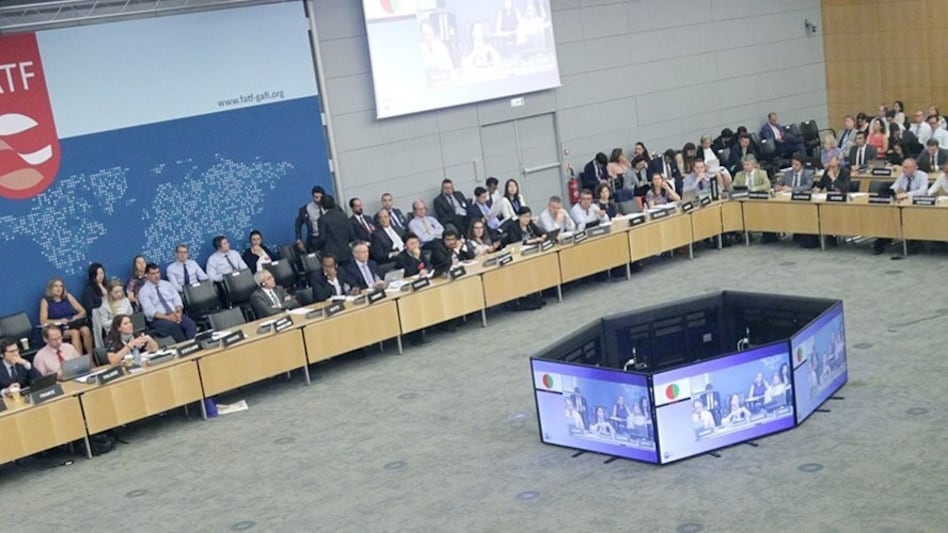
 The terror watchdog hailed steps taken by India to combat terror financing and money laundering activities and said that India is not a destination for money laundering proceeds to crime.
 Global terror watchdog, Financial Action Task Force (FATF), called on India to further strengthen checks on transactions involving precious metals and stones as several of these deals are conducted in cash and fall outside the purview of typical monitoring procedures.
India is one of the world’s biggest importers of gold and an important processor and exporter of diamond jewellery. The country has about 175,000 businesses in the sector but just 9,500 are registered with the Gem and Jewellery Export Promotion Council, which verifies proof of identity, FATF said in the India’s mutual evaluation report released on September 19.

 SIR voter list: ECI extends claims deadline for Delhi, Maharashtra; check new dates
 US-China trade deal: China to buy 10 million tonnes of US coal in 2027, 2028; tariff relief for $30 billion goods
 Chandrababu Naidu on SIR row: Electoral decisions must follow institutional protocols
 NSE empanels Augmont as key partner to promote Electronic Gold Receipts
 Historic! Home loans in India are now cheaper than the US -- What NRIs must know
 R Veeramani Case: Granite Tycoon Faces Widening POCSO Probe In Chennai
 Gen Z And Money: Why Young Investors Want Quick Returns Over Long-Term Wealth Creation
 How Is Alexa+ Different? Will It have Ads Even If You Pay? Exclusive Chat
 Demand Robust Across Segments | Production To Ramp Up, Exports To Expand: Vivek Srivatsa
 GST Council To Meet On October 7: Invoice Matching, ITC & UPI MDR Tax In Focus
 IPO rush: Four IPOs conclude today; check subscription status, other details of issues still open
 Meesho shares slip 7% as Nomura assigns 'reduce' call; here's what the brokerage says
  Sensex, Nifty extend losing streak to seventh week, longest since 2020: What's next?
 Suzlon in bear grip: Oversold signals emerge near 52-week low for the stock
  EIL shares jump 7% to hit record high; stock up nearly 62% in six months: What's driving the rise?
 UNESCO heritage sites rise to 991 as cultural tourism surges 9.6% growth across global destinations
 Financial Horoscope Today, September 27, 2026: Cancer Signs Will See an Increase in Status and Position, Know the Fate of Other Signs
 Planning to study in UK? 5 things Indian students must check before applying for student visa
 El Niño's weather paradox: How one climate event causes floods and droughts
 Moving homes in the US? Why a postal address change will not update your immigration file












