


 Till now, such investments in equity instruments of listed Indian firms was permitted only by NRIs and OCIs.
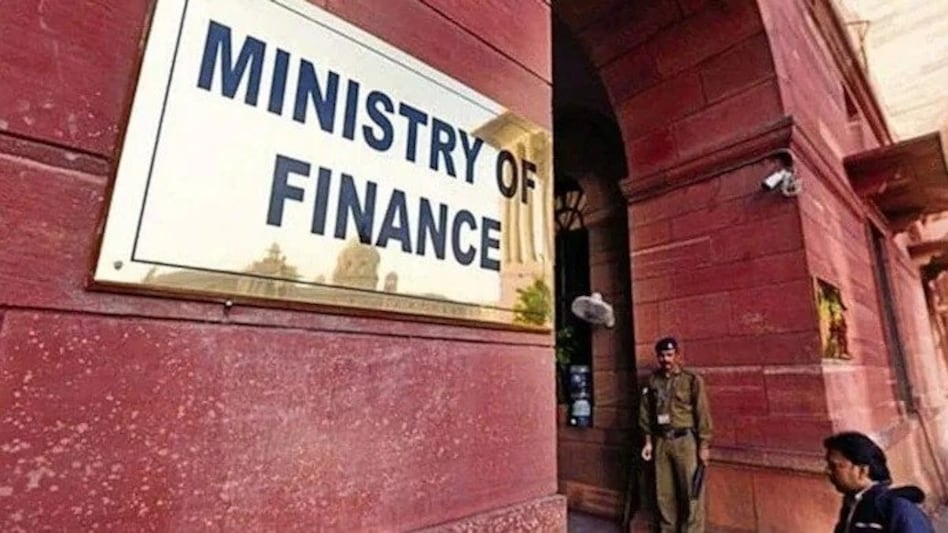
The Finance Ministry has expanded the definition of overseas individual investors in listed equity investments to include all individual persons resident outside India including non Resident Indians and Overseas Citizens of India under the foreign portfolio investor scheme.
The change has been brought through amendments to the Foreign Exchange Management (Non-debt Instruments) Rules, 2019 through a recent notification. Till now, such investments in equity instruments of listed Indian firms was permitted only by NRIs and OCIs.

 India’s energy lifeline runs through the Indian Ocean: Why this maritime corridor matters
 20 Asia-Pacific stocks with up to 145% upside: Full ‘Going For Glory’ list, no Indian stock included
 Govt won't step into Singapore Airlines' Air India call, says Singapore minister
  Tax filing 2026: Missed crypto income in ITR? Why investors could receive an Income Tax notice
 $1 trillion, 500+ investors: India to host landmark BRICS sovereign capital summit in New Delhi
 LIC CEO On Sustaining Blockbuster Q1 Growth Amid Market Uncertainty
 Travel Insurance Mistakes: Sub-Limits, Pre-Existing Conditions & Medical Evacuation Explained
 Home Loans & Insurance: How Couples Can Structure Them For Tax Efficiency
 Money & Marriage: How Couples Can Divide Household Expenses, Track Spending And Stay On Budget
 Parag Parikh Flexi Cap Fund Underperformance: Is Fund Size Becoming A Major Challenge For Investors?
 IHCL, LemonTree, Chalet among 5 hotel stocks to buy; analysts see up to 49% upside
 FCNR(B) windfall lifts NBFCs, small private banks: Why these stocks may be the bigger winners20 Asia-Pacific stocks with up to 145% upside: Full ‘Going For Glory’ list, no Indian stock included
 Tata Technologies: Former CEO Patrick McGoldrick sells shares worth nearly Rs 165 crore
 Tata Power stock: Choice Broking expects recovery, assigns two price targets
  'It is a simple test...': Sanjeev Sanyal counters US man on why Indians eat using their hands
 'Mirzapur: the movie' Box Office collection Day 2: Collects ₹79.55 cr in 2 days; eyes ₹100 cr with strong weekendIHCL, LemonTree, Chalet among 5 hotel stocks to buy; analysts see up to 49% upside
 ₹5,000 lifeline: This IIT-Delhi device can cut emissions of old buses & trucks to BS-VI levels
 Gold, silver prices on September 6: Check latest rates in Delhi, Mumbai, Kolkata, other cities












