


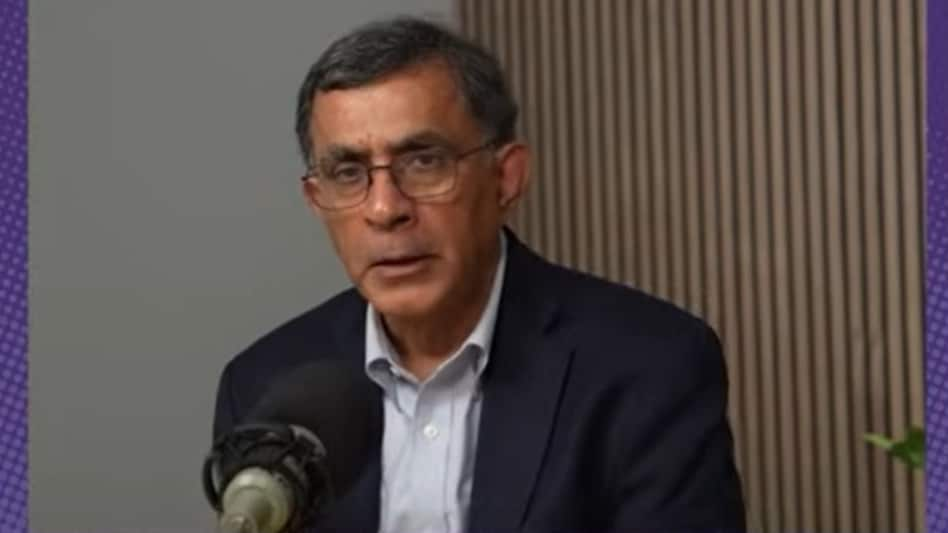
 Devesh Kapur, professor of South Asia Studies at Johns Hopkins University
Economist Devesh Kapur has reminded that regional imbalances in India are not new, citing how post-Independence policy choices once favoured southern and western states at the expense of the eastern region. Referring to the freight equalisation policy introduced in the early decades after independence, Kapur said it penalised the eastern states - especially Bengal, Bihar, undivided Bihar, and Orissa.
"In the early decades, the freight equalisation policy penalised the eastern states - especially Bengal, Bihar, undivided Bihar, and Orissa - and benefited the western and southern states," he said during a Carnegie Endowment discussion on his new book A Sixth of Humanity: Independent India's Development Odyssey, co-authored with former Chief Economic Adviser Arvind Subramanian. The two scholars discussed the evolution of India’s fiscal federalism, particularly the current discontent among southern states that argue they contribute more to the central tax pool but receive proportionally less in return.

 AI agents are coming for every day tasks: What Goldman Sachs sees for the next AI growth wave
 French fuel crisis deepens as one in nine stations run out of stock, diesel prices at record high
  Escalating Houthi-Saudi clashes trigger fresh US travel warning across West Asia
 ₹5 lakh crore profit, not loss? SBI Research’s case for FCNR(B) scheme explained
 China cut oil imports 32% during Iran war: How Beijing helped contain the global price shock
 Health Insurance Buying Guide: 7 Things First-Time Buyers Must Check Before Choosing A Policy
 CEA On India’s 7.8% Growth, Rural Incomes And Government’s Job Creation Push
  Gold Price Outlook: Why Dollar Weakness Could Keep Gold And Silver Prices Attractive Ahead
 Gold vs Silver Investment Strategy: Is This The Right Time To Buy For Long-Term Returns?
 Corporate Vs Personal Health Insurance: Which Is Better On A Budget?
 Jindal Supreme, SS Retail, Hero Motors IPOs subscribed up to 181 times on final day; details here
 Sensex, Nifty post sixth weekly loss; TCS, Titan among top laggards, slip up to 4%
 How AI collapse could benefit Indian equity market; Jefferies' Christopher Wood explains
  Banks are no more secular growth story, prefer NBFCs: Chris Wood
 Jefferies' Christopher Wood sees gold at $10,000 'sooner or later'; likes India's small, midcapsHealth Insurance Buying Guide: 7 Things First-Time Buyers Must Check Before Choosing A Policy
 ‘We pay ₹3,000 crore in tax every year’: BCCI’s big disclosure at AGM
  ‘Aur bhi chamkunga’: Shah Rukh Khan’s ₹300-crore Mannat gets new gallery for fan greetings
  From Telegram group to a profitable startup: Student turns admission queries into ₹10 lakh businessFrench fuel crisis deepens as one in nine stations run out of stock, diesel prices at record high












