


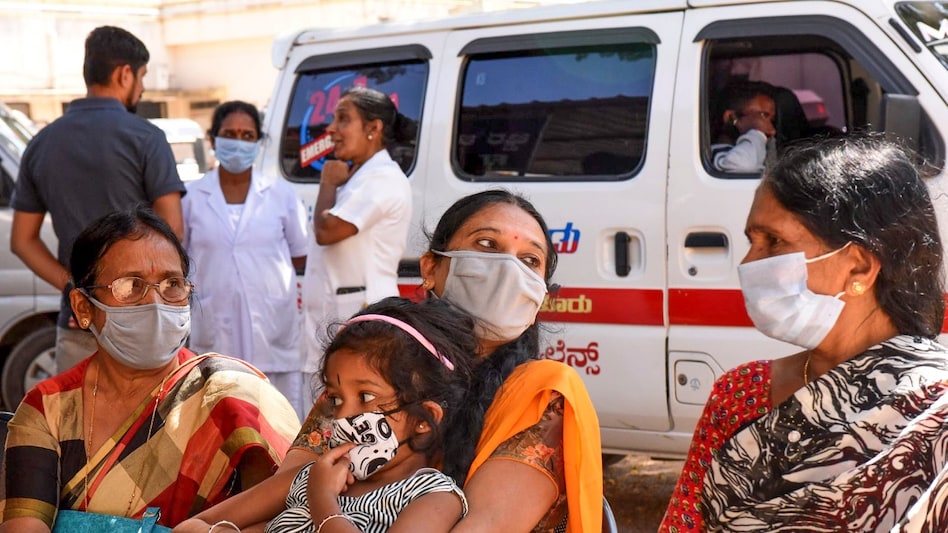
 Kerala's high case count may be linked to increased testing efforts within the state.
Active COVID-19 cases in India have reached 2,710, with Kerala contributing the majority of infections, according to the Ministry of Health and Family Welfare. A notable five-fold increase in cases has been observed, surpassing the 1,000-mark in the week ending 25 May. This rise comes after a period of relatively low infection rates across the country.
Kerala reported 1,147 active cases, followed by Maharashtra with 424 and Delhi with 294. Other states like Gujarat, Karnataka, and Tamil Nadu also reported significant numbers. A total of seven deaths have been recorded in the last 24 hours, raising the year's death toll to 22. The Health Ministry maintains that most COVID-19 cases are mild and urges the public not to panic.

 SDTT had submitted response to charity commissioner over Venu Srinivasan, Vijay Singh’s complaints: Report
 YES Bank shares down 27% in 30 days; target prices; one key trigger to watch
 Jio Platforms raises Rs 8,110 crore from over 200 anchor investors; draws Rs 2.5 lakh cr demand
 India-UK trade pact: Pernod, Diageo Scotch imports under tax scanner, says report
 Defence stocks to buy: Aditya Birla Money picks HAL, BEL as top picks; check fresh targets
 RBI Measures Boost Rupee | Is Further Depreciation Unlikely?
 More RBI Rate Hikes Ahead? PPFAS Mutual Fund CIO Shares His Outlook
 Retirement Planning: How a ₹10,000 Monthly SIP Can Grow to ₹1 Crore in 20 Years
 Volkswagen On CNG Cars, JSW Partnership And India's Auto Market Outlook
 5 Mutual Fund SIP Mistakes That Can Hurt Your Long-Term Wealth
 HFCL shares: Why this multibagger stock gets 53% upside target despite 290% jump in 2026Defence stocks to buy: Aditya Birla Money picks HAL, BEL as top picks; check fresh targetsYES Bank shares down 27% in 30 days; target prices; one key trigger to watchJio Platforms raises Rs 8,110 crore from over 200 anchor investors; draws Rs 2.5 lakh cr demand
 Jio IPO puts digital growth, ambitions and home broadband success in focusHFCL shares: Why this multibagger stock gets 53% upside target despite 290% jump in 2026RBI Measures Boost Rupee | Is Further Depreciation Unlikely?SDTT had submitted response to charity commissioner over Venu Srinivasan, Vijay Singh’s complaints: ReportDefence stocks to buy: Aditya Birla Money picks HAL, BEL as top picks; check fresh targets
 Jailer 2 Day 5 collection: Rajinikanth film races towards ₹500 crore worldwide, enters US weekend top 10












