


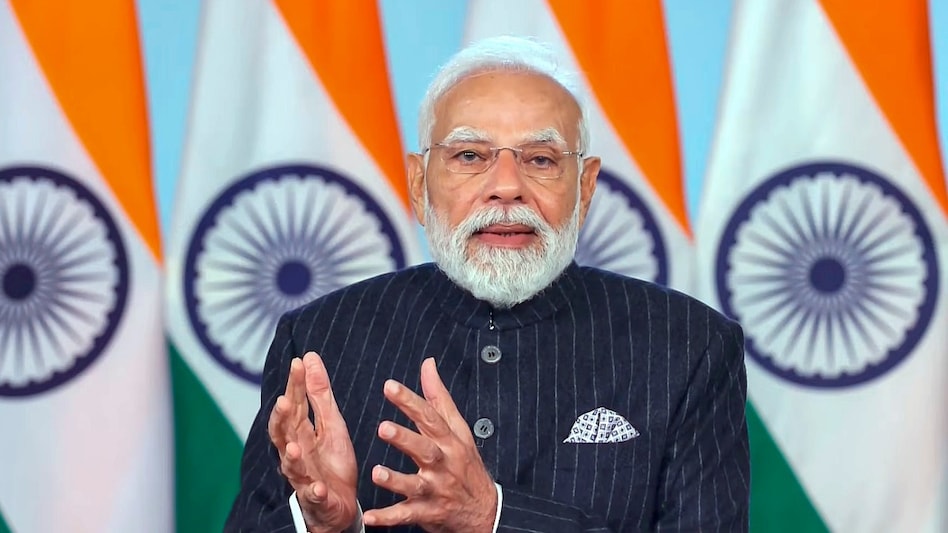
 The PM said the move will accelerate innovation, boost energy security, and position India as a global leader in advanced nuclear technologies.
 Prime Minister Narendra Modi on November 27 announced one of India’s most sweeping energy-sector reforms in decades, declaring that the country’s tightly controlled nuclear power sector will soon open to private investment. Calling it a “historic shift,” the PM said the move will accelerate innovation, boost energy security, and position India as a global leader in advanced nuclear technologies.
Modi made the announcement while inaugurating Skyroot Aerospace’s new Infinity Campus in Hyderabad and unveiling the Vikram-I rocket — India’s first privately built satellite-launch vehicle.

 AI agents are coming for every day tasks: What Goldman Sachs sees for the next AI growth wave
 ₹5 lakh crore profit, not loss? SBI Research’s case for FCNR(B) scheme explained
 China cut oil imports 32% during Iran war: How Beijing helped contain the global price shock
 Aadhaar authentication mandatory for subsidised LPG refills from October 1: Check rules
 AI biotech without humans? Stanford deploys 37,000 agents to hunt new therapies
 CEA On India’s 7.8% Growth, Rural Incomes And Government’s Job Creation Push
  Gold Price Outlook: Why Dollar Weakness Could Keep Gold And Silver Prices Attractive Ahead
 Gold vs Silver Investment Strategy: Is This The Right Time To Buy For Long-Term Returns?
 Corporate Vs Personal Health Insurance: Which Is Better On A Budget?
 Gold Price Outlook: Why Gold Could Rise Despite Global Interest Rate Hikes | Silver Market Update
 Jindal Supreme, SS Retail, Hero Motors IPOs subscribed up to 181 times on final day; details here
 Sensex, Nifty post sixth weekly loss; TCS, Titan among top laggards, slip up to 4%
 How AI collapse could benefit Indian equity market; Jefferies' Christopher Wood explains
  Banks are no more secular growth story, prefer NBFCs: Chris Wood
 Jefferies' Christopher Wood sees gold at $10,000 'sooner or later'; likes India's small, midcaps
 Quote of the Day by Ratan Tata: 'I've often felt that the Indian tiger has not been unleashed'
 Planning to change your WhatsApp number? Don’t make the switch before checking these steps
 Quant, Helios, Motilal Oswal: Midcap funds aren’t built the same; here’s how portfolios differ
 India’s hydrogen train may soon reach Delhi, opening a new chapter in clean rail travel
 TVS upgrades its premium bikes: New Apache and Ronin features revealed












