


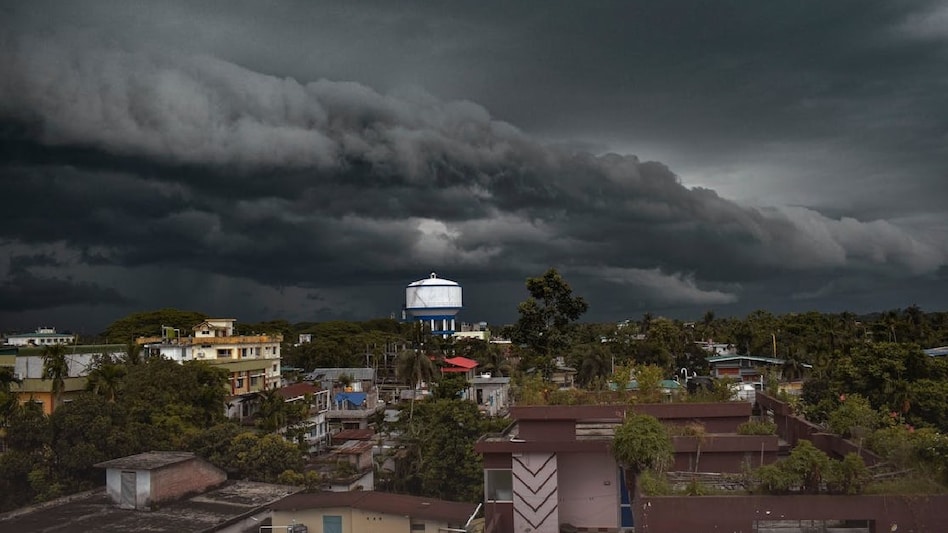
 IMD sees weaker monsoon at 92% of average; El Nino impact expected
The country is likely to receive below normal monsoon rainfall this year, the India Meteorological Department (IMD) said on Monday, warning that emerging El Niño conditions could weaken India's main rainy season.
The southwest monsoon, which runs from June to September, is expected to bring about 80 cm of rainfall, lower than the long-period average of 87 cm.

 IRDAI’s insurance distribution reforms: What changes for insurers, brokers, customers
 This is not a tax, cess, surcharge...: FM Sitharaman explains what the new UPI MDR really means
 Five-day banking week never up for negotiation, say govt sources
 GLP-1 drugs are under fresh scrutiny over rare condition; here's what's happening
 BT Big Story: The price tag of UPI: Will small shops go back to cash?
 Demand Robust Across Segments | Production To Ramp Up, Exports To Expand: Vivek Srivatsa
 GST Council To Meet On October 7: Invoice Matching, ITC & UPI MDR Tax In Focus
 Tata Chip Plans Stay On Track Despite Boardroom Rift; Dholera Fab Investment Unaffected
 GLP-1 Drugs Face Eye Safety Concerns: Will Fresh Scrutiny Impact India's Growing Market?
 Inside Tata’s Biggest Boardroom Battle: Noel Tata Vs N Chandrasekaran Explained | Hitesh Jain
 IPO rush: Four IPOs conclude today; check subscription status, other details of issues still open
 Meesho shares slip 7% as Nomura assigns 'reduce' call; here's what the brokerage says
  Sensex, Nifty extend losing streak to seventh week, longest since 2020: What's next?
 Suzlon in bear grip: Oversold signals emerge near 52-week low for the stock
  EIL shares jump 7% to hit record high; stock up nearly 62% in six months: What's driving the rise?
 One-fourth of cars sold by Tata Motors Passenger Vehicles are now EVs
 IRDAI’s proposed distribution overhaul: Insurance sector may see major reset; could force distributors rework business models, innovate, say analystsIPO rush: Four IPOs conclude today; check subscription status, other details of issues still open
 Gold imports plunge in India, but gold ETFs surge: What the demand shift means for investors
 Explained: The backlash behind Meta's 'pervert glasses', and its new audio-only fix












