


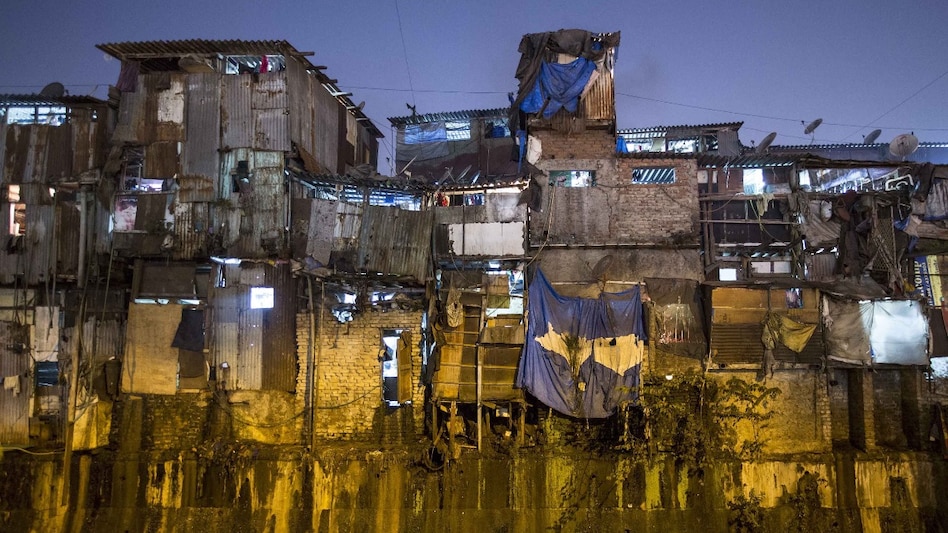
 Why Dharavi's commercial rents touch ₹5 lakh despite slum conditions (Image: Reuters)
Mumbai's Dharavi, often viewed through the lens of deprivation, is also one of the city's most active economic zones. Spread across just about 2.4 sq km and home to nearly 1.2 million people, the settlement hosts more than 20,000 micro-enterprises and generates an estimated $1-1.5 billion annually, according to global development agencies.
Despite poor infrastructure, commercial rents here can reach ₹5 lakh a month. While residential shanties rent for ₹3,0000-₹7,000 for about 100 sq ft, larger commercial spaces 1,200 1,800 sq ft command rents in lakhs due to proximity to arterial roads and dense business activity. Dharavi's informal economy supports blue-collar workers across sectors from domestic help and drivers to craftsmen, recyclers and food vendors many of whom power Mumbai's daily operations.

 Jio Platforms IPO: Price band announced at Rs 1,065-1,119; set to become India's biggest public issue
 Jio Platforms files RHP for IPO of up to 27 crore shares; issue to open on October 21
 IDBI Bank stake sale is the largest FDI deal till date; Centre, LIC to continue to remain invested
 'My satellites have been hovering for 5 years, I'm ahead of Musk in the queue,' says Sunil Bharti Mittal
 Henley Passport Index 2026: Indian passport climbs to 84th rank, visa-free countries falls to 55
 IMC 2026: The Biggest Tech Innovations You Need To See!
 What Is A Specialized Investment Fund (SIF)? SIF Vs Mutual Funds Explained
 This Week In Cinema: Jailer 2, Ranabaali, Prahaar, Nayyi Navelli & Street Fighter Hit Theatres
 India Inflation Shock: WPI Hits 11.39%, CPI At 5.54% As Crude Oil Touches $107 A Barrel
 Cabinet Approves IDBI Bank Stake Sale to Fairfax: Is the Stock Still a Buy?
 Jio Platforms IPO: Price band announced at Rs 1,065-1,119; set to become India's biggest public issueJio Platforms files RHP for IPO of up to 27 crore shares; issue to open on October 21
 Tata Tech Q2 profit rises 4% to Rs 171 crore; revenue jumps 28%
 Hyundai Motor India to invest up to Rs 11,000 crore in Pune plant
  HDB Financial Q2 PAT climbs 34% to Rs 780 crore; stock slips 4%
 221-foot Ravana in Delhi: ₹40 lakh, 7 tonnes of iron, 120 artisans behind giant effigy
 A 10% salary hike does not mean 10% more take-home pay: The numbers around your package explained
 Heart disease, stroke and cancers dominate deaths in older Indians; injuries hit young adults
 Top 10 strongest passports in the world 2026: Singapore leads, Japan and UAE rank second
 SpaceX restricts Starlink services in Ukraine, disrupting military drone missions: Report












