


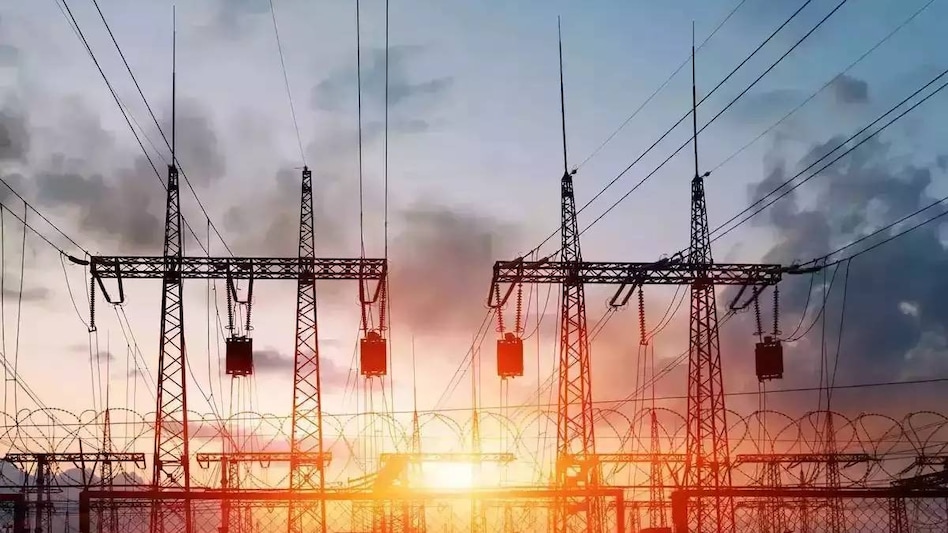
 Cybersecurity takes centre stage as India upgrades its national power grid
The rapid digitalisation of India’s power sector has brought cybersecurity to the forefront of policy and operational discussions, with growing emphasis on protecting the national transmission network from evolving digital threats. As modern power grids increasingly rely on interconnected systems, experts emphasise the need for a layered security architecture, continuous monitoring, and alignment with global best practices to ensure an uninterrupted electricity supply.
The issue has now reached Parliament. An unstarred question submitted in the Lok Sabha for reply on December 18 has sought detailed inputs from the Ministry of Power on the state of grid cybersecurity. Lawmakers have asked for information on the identification of substations requiring Next Generation Firewalls (NGFWs), the prioritisation of locations for intervention, cybersecurity audits conducted over the past year, and coordination with national agencies such as CERT-In for real-time threat monitoring and response.

 SIAM flags high chloride levels in E20 fuel, warns of permanent engine part damage, govt responds
  Government has no plans to replace Unified Pension Scheme, over 1.18 lakh employees opt in
 Equities snap four-day gaining streak; late Nifty rally trims losses
 Taxation and Other Laws (Amendment) Bill, 2026 proposes tax changes to attract global capital, boost manufacturing
 Indian govt summons Meta global team on August 5-6 over content moderation: IT Secretary S Krishnan
 Stove Kraft Q1 Results: Revenue Surges 41%, PAT Jumps 63% | Top Management Exclusive
 Daily Calls: Ask Your STOCK MARKET TODAY QUERIES | Market Update | Share Market News Today
 Market Guru | Harsha Upadhyaya On Kotak Flexicap, Midcap Strategy & Market Outlook
 5 Things To Check Before Buying Health Insurance? | Insurance Guide | Personal Finance | Money Today
 Niva Bupa Q1 Unpacked | Vishwanath Mahendra On Premium Growth, Market Share & Expansion
 Equities snap four-day gaining streak; late Nifty rally trims losses
 Banking stocks look attractive despite rally; ICICI Bank, SBI, Canara Bank among top picks
 Concord Biotech shares: Jhunjhunwalal-backed stock head for strong upside; check targets
 BTTV Exclusive | Harsha Upadhyaya on IT, private banks, improving market sentiment
 Dabur shares fall most in 20 weeks, approach 52-week low; here's why
  Finance Ministry introduces Bill to enable MDR on UPI, digital payments; government to decide future levy
 Under ₹8 lakh EVs: The new formula helping buyers save big on electric cars
 LPG deadline: One missed step after August 16 could affect your gas subsidy
 Amazon vs Flipkart sale: Biggest deals revealed, but these offers need a closer lookEquities snap four-day gaining streak; late Nifty rally trims losses










