









 Harsh Gupta Madhusudan on why India's fuel pricing is a reasonable strategy
 Harsh Gupta Madhusudan on why India's fuel pricing is a reasonable strategy
It is a catch-22 situation for India – the government cannot hold on the petrol-diesel price hikes anymore, and the impending hikes could have far-reaching implications for the people.
The government is doing the best it can in the current, not-ideal scenario, said Harsh Gupta Madhusudan, Author, Fund Manager & Chief India Strategist at Ionic Wealth. Gupta speaking to Business Today TV on whether the government, in hindsight, should have adopted a different approach to fuel rates, said, “Ideally speaking, the answer is very simple, but we don't live in a simple economy, we live in a political economy.”
“Ideally, the pump prices should change every day the way they happen in the US or Europe, et cetera, where there are taxes and private players decide the prices. Having said that, given India is a per capita poor country and we have a history of control, the next best thing was to keep them broadly in line, tweak the taxes, make sure you don't issue too many oil bonds, OMC bonds,” he explained.
MUST READ | Four hikes in two weeks: Will petrol, diesel prices rise again? What we know so far
Gupta said that oil prices have remained rather benign in the past few years, except for a period during the Ukraine war. “This was basically a way for the government to raise revenue, to also incentivise a movement towards hybrids and EVs, et cetera, et cetera. So kind of a Pigouvian environmental tax, if you will, which also was revenue generated,” he said.
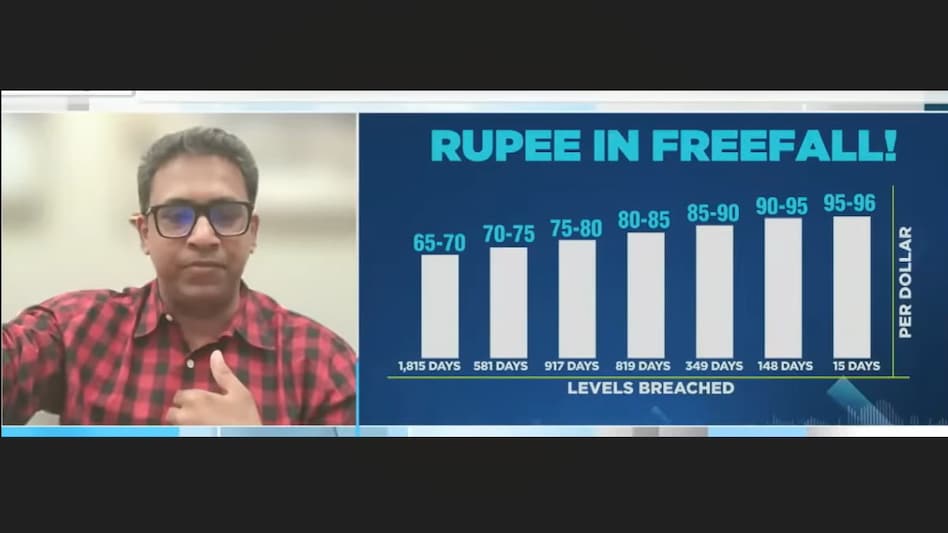
However, Brent is now hovering in the $90-100 range and it is no longer feasible to keep it stagnant, also considering the rupee depreciation, explained Gupta.
“So with the rupee and the crude or Brent both in the nineties, as soon as the election results were announced, it was inevitable that the government had to move because the next elections are in February and you could not subsidise petrol and diesel prices at the pump for almost another year,” he said, adding that the government is making the best decision in the second-best world by increasing prices on a daily or a weekly basis.
DON'T MISS | One in two petrol vehicles sold before 2023 seeing mileage drop with E20: Survey
“So there is no headline kind of shocker, but cumulatively the price increase filters through because it's very important to pass the price signal. The government obviously cut taxes by ₹10 even before the election results to absorb some of the shock from OMCs, but it cannot do it on a permanent basis. So yeah, maybe not the first best solution, but given the reality of politics, I think it's a reasonable strategy that they're following,” he said.
Watch the full conversation here:
 BT Explainer | How the US forced-labour tariff plan could affect Indian exports
 US proposes new tariffs on trading partners; India, China to be tariffed 12.5%: Report
 IndiGo gains market share: Airline widens lead as Air India cuts domestic, international flights
 Glenmark guides for ₹17,000-18,000 crore FY27 revenue, sees growth across markets
 Trump’s new AI order could change how OpenAI, Google, and Anthropic launch models
 From Global Uncertainty To India's Opportunity: The Big Economic Outlook
 Godrej Industries Is Entering The Wealth Management Space As It Looks To Scale Up Financial Services
 SIP Vs SWP: The Two-Step Mutual Fund Strategy That Could Help Become A Millionaire & Retire Early?
 Daily Calls LIVE: Ask Your STOCK MARKET TODAY QUERIES | Market Update LIVE | Share Market News Today
 Retired At 39! How Sanjay Kathuria Turned A ₹2,000 SIP Into Complete Financial Freedom
 IT stocks slip: TCS, Infosys, Coforge, LTIMindtree, Persistent, TechM, HCLTech tank up to 7%; what's ahead?
 CarTrade Tech, Concord Biotech, Apar Industries shares rise up to 8% today; here's why IndiGo gains market share: Airline widens lead as Air India cuts domestic, international flights
 LTM share price: Why this IT stock plunged 7% after Investor Day; target prices
 CMR Green Technologies IPO opens: Should you apply? Check price band, rating, GMP & more