


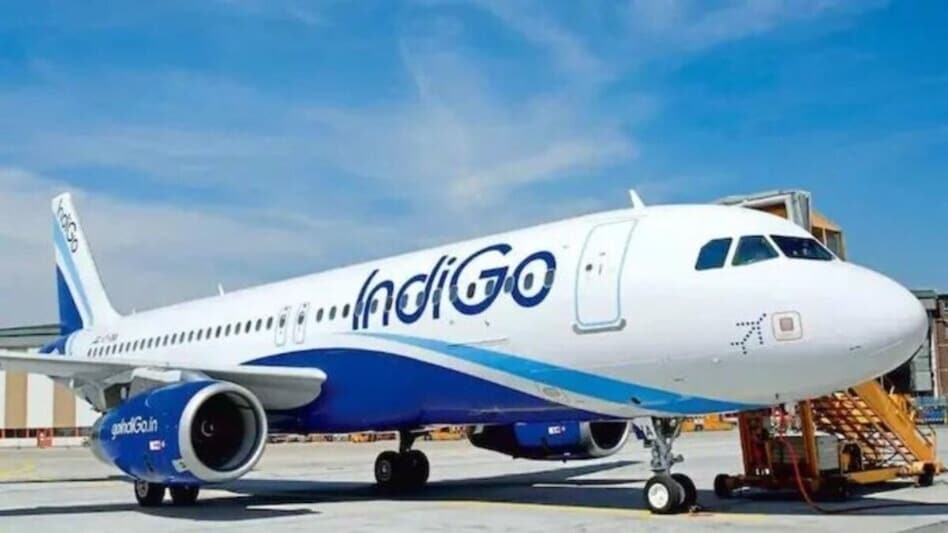
 IndiGo gains from Air India cuts: April tracker shows wider aviation market lead
IndiGo has gained market share in both domestic and international sectors following the network curtailment announced by Air India to reduce operational losses due to high jet fuel prices.

 Jio Platforms IPO: Price band announced at Rs 1,065-1,119; set to become India's biggest public issue
 Jio Platforms files RHP for IPO of up to 27 crore shares; issue to open on October 21
 IDBI Bank stake sale is the largest FDI deal till date; Centre, LIC to continue to remain invested
 'My satellites have been hovering for 5 years, I'm ahead of Musk in the queue,' says Sunil Bharti Mittal
 Henley Passport Index 2026: Indian passport climbs to 84th rank, visa-free countries falls to 55
 IMC 2026: The Biggest Tech Innovations You Need To See!
 What Is A Specialized Investment Fund (SIF)? SIF Vs Mutual Funds Explained
 This Week In Cinema: Jailer 2, Ranabaali, Prahaar, Nayyi Navelli & Street Fighter Hit Theatres
 India Inflation Shock: WPI Hits 11.39%, CPI At 5.54% As Crude Oil Touches $107 A Barrel
 Cabinet Approves IDBI Bank Stake Sale to Fairfax: Is the Stock Still a Buy?
 Jio Platforms IPO: Price band announced at Rs 1,065-1,119; set to become India's biggest public issueJio Platforms files RHP for IPO of up to 27 crore shares; issue to open on October 21
 Tata Tech Q2 profit rises 4% to Rs 171 crore; revenue jumps 28%
 Hyundai Motor India to invest up to Rs 11,000 crore in Pune plant
  HDB Financial Q2 PAT climbs 34% to Rs 780 crore; stock slips 4%
 SpaceX restricts Starlink services in Ukraine, disrupting military drone missions: ReportIMC 2026: The Biggest Tech Innovations You Need To See!
 India Hits Back At UN Human Rights Body Over Delhi Protest Remarks | MEA's Strong Response
 Diwali Gift For Railway Employees: Cabinet Clears 78 Days’ Productivity Linked Bonus
 Tonbo Imaging India IPO GMP At 72% Ahead Of Issue Opening Tomorrow; Check Key Details












