


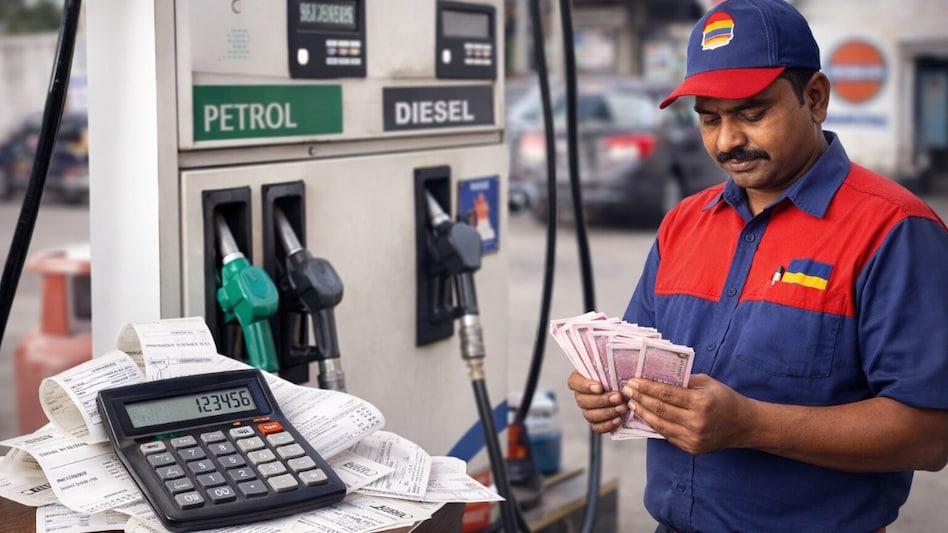
 Petrol, diesel price March 20: Prices remain unchanged as crude cools but geopolitical risks linger
Fuel prices across India held steady on March 20, even as global crude markets remain on edge amid tensions in West Asia and disruptions to key shipping routes.
The pause in the prices comes amid heightened political sensitivities ahead of state elections.

 IPO rush at D-st: Varmora, Moneyview, Elevate Campuses among 7 issues to raise over 4,900 crore
 CBI registers FIR against Reliance Capital & Anil Ambani over ₹2,684-crore LIC loss
 ‘It was inappropriate…’: IIT-B apologises for earlier statement, says Director has not resigned
 Apple layoffs: iPhone maker begins fresh job cuts, second round in two months
 NSE IPO: What sets India’s second-largest issue apart? A token sale
 India’s Credit Growth Surprises At 18-19%: Christopher Wood On CapEx | Jefferies Forum 2026
 MG Hector Tomahawk EV Review | 517km Range, 7 Seats, Performance & Ride Quality | MG’s Best SUV Yet?
 Gold Price Target 2026: Expert Sees MCX Gold At ₹1.8 Lakh By Year-End Amid Strong Demand
 Health Insurance: Why Pre-Existing Diseases And Waiting Periods Matter For Buyers
 Crude Oil Above $100: How High Energy Prices And Rupee Weakness Impact Gold Prices In India
 Coforge shares gain 3% as company expands AI-powered vehicle inspection capabilities
 SAIL likely to hike steel prices again, say sourcesIPO rush at D-st: Varmora, Moneyview, Elevate Campuses among 7 issues to raise over 4,900 crore
 Tata Communications: 'Buy' call for Tata stock amid growth in AI, cloud opportunities NSE IPO: What sets India’s second-largest issue apart? A token saleCoforge shares gain 3% as company expands AI-powered vehicle inspection capabilitiesSAIL likely to hike steel prices again, say sources‘It was inappropriate…’: IIT-B apologises for earlier statement, says Director has not resignedCBI registers FIR against Reliance Capital & Anil Ambani over ₹2,684-crore LIC lossIPO rush at D-st: Varmora, Moneyview, Elevate Campuses among 7 issues to raise over 4,900 crore












