


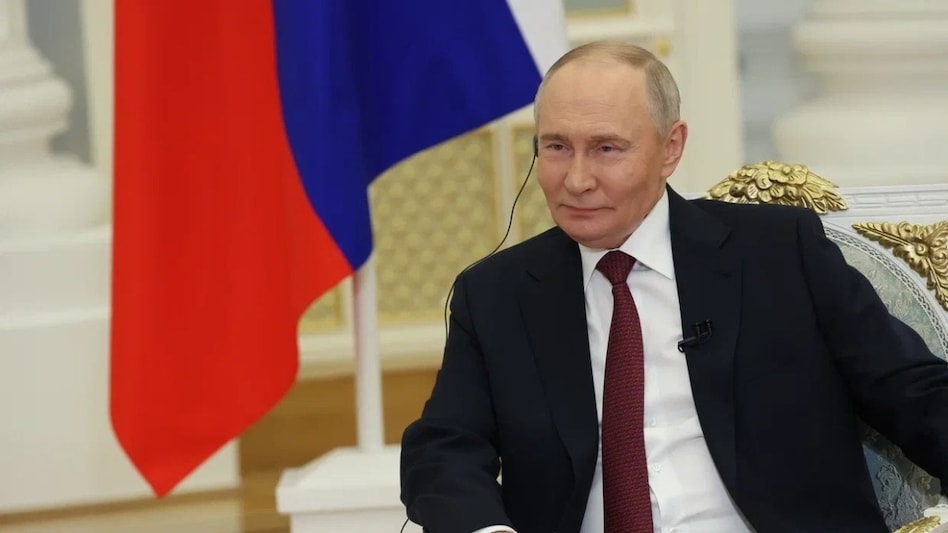
 Putin maintained that Russia’s demands are neither unusual nor unreasonable.
Russian President Vladimir Putin argued that NATO expansion is a direct threat to Russia, distinguishing it from other issues such as the Russian language, culture, religion, and territorial disputes. He explained, "NATO is a completely different matter. The Russian language, culture, religion, and territorial issues are all important topics, but NATO is something else entirely. We are not asking for anything exclusive for ourselves in this regard."
Putin reiterated Russia's long-standing demand that NATO cease its eastward expansion, specifically seeking assurances that Ukraine will not be granted membership. He also called for NATO to return to its pre-1997 status and stop deploying weapons near Russia’s borders. These comments were made in an interview with India Today and Aaj Tak at the Kremlin.

 GLP-1 market may be smaller than expected, says Lupin; plans next wave of weight-loss drugs
 Purple Style Labs IPO opens on August 31; check dates, lot size, investors & other key details
 Meta teen addiction trial: Instagram head says few teens knew safety tools; States to explore settlement
 Gaja Alternative Asset Management shares make a decent market debut; stock lists at 16% premium
  Trump admin pauses US visa appointments globally: Indian students, workers to face delays in getting interview slots
 Trump Moves To Make H-1B Visa Fee Permanent And Higher: What It Means For Indians
 Market Rally Vs Geopolitical Risk: What Wins From Here? Aditya Agarwal
 Daily Calls: Ask Your STOCK MARKET TODAY QUERIES | Market Update | Share Market News Today
 Symbiotec Pharmalab IPO | Top Management On Growth Plans, Business Outlook & IPO Strategy
 Chennai Second Airport Halted: Parandur Project Faces Wetland Concerns & Political Storm
 Gujarat Pipavav shares surge 6% after Gujarat Maritime Board update; key details
 Jana Small Finance shares extend fall amid Federal Bank merger buzz; clarification issuedPurple Style Labs IPO opens on August 31; check dates, lot size, investors & other key details
 Cyient shares surge 8%: Targets by MOFSL, Antique, Choice, Nuvama post Investor Day
 SEPC shares jump 5% as board approves restructuring; key details Gujarat Pipavav shares surge 6% after Gujarat Maritime Board update; key detailsJana Small Finance shares extend fall amid Federal Bank merger buzz; clarification issued
 Claude Cowork gets shared memory with chat: What it means for youMeta teen addiction trial: Instagram head says few teens knew safety tools; States to explore settlementPurple Style Labs IPO opens on August 31; check dates, lot size, investors & other key details












