














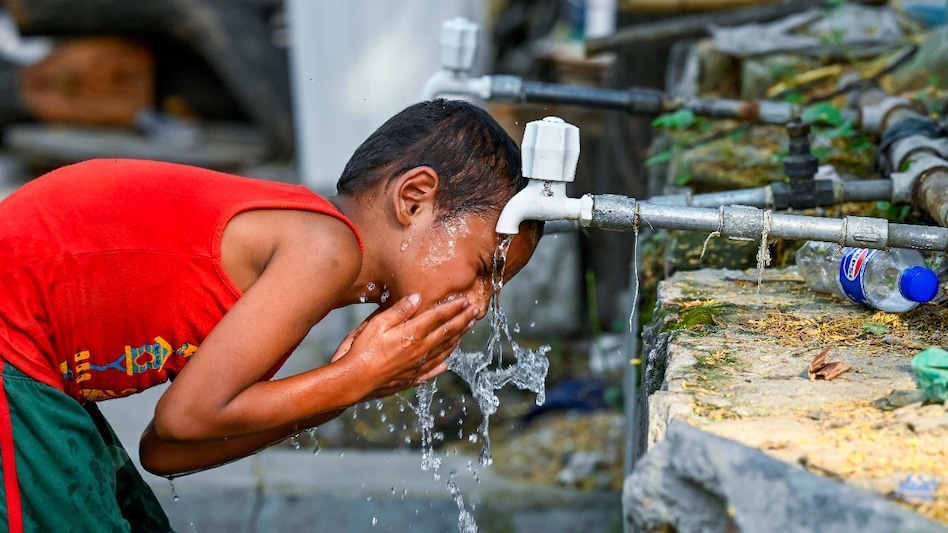
 Hospitals have reported a rise in heat-related illnesses, especially among vulnerable populations such as the elderly and children.
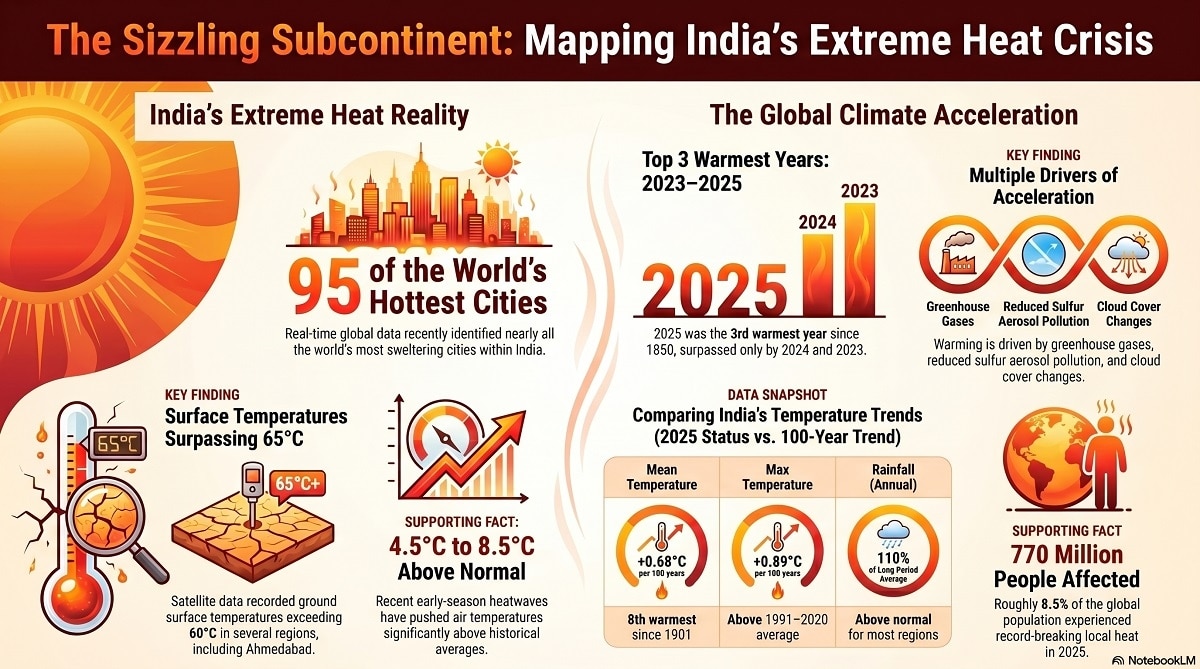
 India has emerged as one of the hottest regions on the planet this season, with multiple cities consistently topping global temperature charts — an alarming signal of intensifying climate extremes across South Asia.
Over the past weeks, several parts of north and central India have recorded exceptionally high temperatures, placing them ahead of traditionally hotter regions in West Asia and Africa. Cities across states like Rajasthan, Uttar Pradesh, and Delhi have seen daytime highs breaching the 45°C mark, with some localities inching closer to 47°C.
 'No country should help Iran evade sanctions': Marco Rubio on Modi-Pezeshkian meet at SCO summit
 India produces over 1.14 billion tonnes of fuel: Where it stands among world’s top producers
 'Increasing geopolitical unrest': Netherlands shifts 86 tonnes of gold from US to London
 Dollar deluge: RBI’s forex scheme draws $136.37 billion
 'Sugar availability is more than sufficient': Industry dismisses shortage fears ahead of festive season
 U.S. May Tighten Child Passport Checks Under Trump, Indians And Birth Tourism Families Face Scrutiny
 Market Commentary | Deven Choksey On Buying Opportunities & Market Trends
 “India Is Certainly Not In Crisis”: Arvind Panagariya On Growth, Investment And Reforms
 Daily Calls: Ask Your STOCK MARKET TODAY QUERIES | Market Update | Share Market News Today
 What’s Hot: Stocks, Gold & Big Money Moves | Daily Markets Show | September 02 | Business Today
 This fund manager believes equity is undervalued, but bottom-up stock selection may be key to returns
 RIL-backed Alok Industries shares hit fresh 52-week low, end slightly higher
 Milky Mist shares surge 10% after Q1 results; brokerage sees more upside potential
 Hero MotoCorp, Eicher Motors shares slide up to 5%; analyst flags key support levels
 Man Infraconstruction shares fall; Rs 169 crore buyback approval in focus
 100 new airports: India’s next aviation boom may change how smaller cities travel'No country should help Iran evade sanctions': Marco Rubio on Modi-Pezeshkian meet at SCO summit'Increasing geopolitical unrest': Netherlands shifts 86 tonnes of gold from US to London
 IRCTC special Navratri tour: Visit Vaishno Devi and 6 Shakti Peethas in 7 days
 Flipkart sale is here: The deals shoppers may want to grab before September 6


