

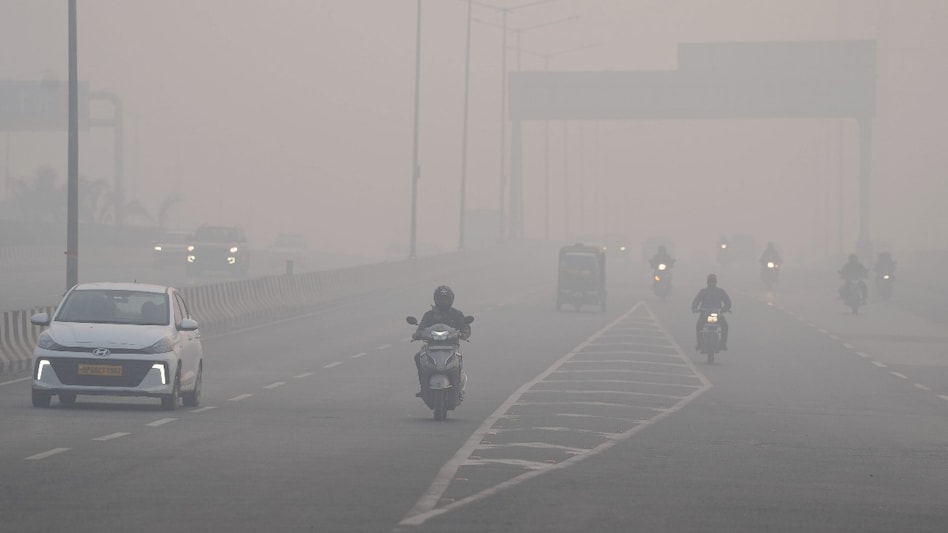
 Delhi air pollution: Supreme Court remarked that the CAQM appeared to be in "no hurry" to either pinpoint the real causes
 The Supreme Court on Tuesday sharply criticised the Commission for Air Quality Management (CAQM) over its response to the ongoing air pollution crisis in the Delhi-NCR region, describing its approach as "unserious" and lacking urgency. The bench, led by Chief Justice of India Surya Kant and Justice Joymalya Bagchi, expressed concern over the statutory body's failure to take decisive action, prompting the court to issue specific directives for immediate remedial steps.
During the hearing, the court instructed the CAQM to convene a joint meeting of domain experts as a matter of priority. The commission was ordered to prepare and submit a detailed report that clearly identifies the main contributors to air pollution and proposes comprehensive long-term solutions. The Supreme Court emphasised that this report should be placed both on record and made available to the public to ensure transparency and accountability in the process.
 Sensex volatility spikes during CAS on F&O expiry day; here's what happened
 Nifty IT surges 3%: TCS, Infosys, LTM, HCLTech shares climb after Nvidia's strong results
 'Nothing’s Too Far': Tata Motors unifies all passenger vehicles under new TATA.CARS identity
 Big victory for Anthropic: US court strikes down Pentagon blacklist over 'illegal retaliation'
 179-year wait: Green Card backlog traps nearly 1 million Indians, making up 79% of total queue
 PSU Banks Vs Private Banks: Why Investors Are Betting Big On PSU Bank ETFs
 EV Insurance Explained: Battery Damage, Repairs & Insurance Coverage | Personal Finance
 Radhika Gupta On The Money Gap: Why Women Must Manage What They Earn
 IDV Explained: How It Impacts Your Motor Insurance Premium & Claim
 Nepal Flood Crisis: Massive Floods Leave Trail Of Destruction Across Rasuwa, Nuwakot And Chitwan
 Mid-cap IT stock jumps 15%; brokerage sees turnaround potential, here's what it said
 Ola shares rise 6% on S1Z launch with indigenous cell tech, claims 301 km per charge
 TTML shares soar 11% on strategic tie-up with Tata Comm to accelerate AI adoptionSensex volatility spikes during CAS on F&O expiry day; here's what happened
 Just Dial share price surged 10% today; here's why
  Death does not end tax duties: What legal heirs must do after a taxpayer dies
 10 useful Windows keyboard shortcuts you should know to save time on your laptop
 Fresh crisis: Nepal issues flood warning after dam burst in Tibet, halts rescue workPSU Banks Vs Private Banks: Why Investors Are Betting Big On PSU Bank ETFsMid-cap IT stock jumps 15%; brokerage sees turnaround potential, here's what it said












