


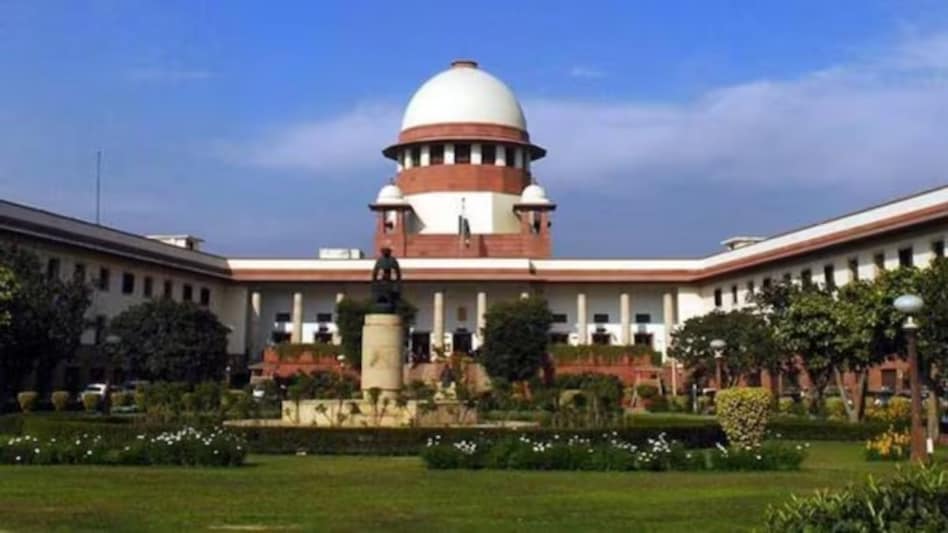
 सुप्रीम कोर्ट. (Photo: ITG)
The Supreme Court on Tuesday finalised the schedule for hearing the Presidential Reference that raises key constitutional questions on whether timelines can be imposed for the assent process on bills passed by state legislatures. The hearing is set to commence from 19 August.
A five-judge Constitution Bench headed by Chief Justice BR Gavai, and comprising Justices Surya Kant, Vikram Nath, P S Narasimha, and A S Chandurkar, directed the Centre and the states to file their written submissions by 12 August. The bench emphasised that all parties must adhere strictly to the schedule.

 Jio Platforms IPO fully subscribed within 100 minutes; QIB portion gets 3 times bids
 Festive gold Investment: Digital Gold vs Gold ETFs — Which is the better choice for Diwali and Dhanteras investors?
 BT BIG STORY | No jobs, no security: The crisis facing India's educated youth
 Elon Musk plans a mega-merger? SpaceX and Tesla set up committees to explore merger deal
 ‘Everything everywhere at the highest quality…’: Akash Ambani on satellite broadband plan in India amid Jio IPO
 India-U.S. Trade Deal Near? Donald Trump Says Agreement Is Close, Signals A Different Deal
 Jio Platforms IPO Opens: Should Investors Subscribe? Chakri Lokapriya Explains The Opportunity
 Jio Vs Bharti Airtel: Why Chakri Lokapriya Prefers Jio As A Telecom Investment Opportunity
 Putin Proposes Trump-Xi Meeting: Could Ukraine’s Future Be Discussed Without Kyiv?
 Ep18: Exclusive Conversation With DP World CEO: Bold Steps Needed To Fix Global Trade Order
 IDBI Bank shares fall 3% to below Fairfax deal price; here's why
 EAAA India Alternatives IPO opens on October 26; check price band, issue size & key details
 LTTS shares rally 15%: Should you buy this IT stock after Q2 results?
  ‘I remember being petrified’: Nithin Kamath recalls his 2015 listing alongside Mukesh Ambani as Jio IPO takes centre stage
 Gold, silver prices: 3 factors to watch for the next upmoveIDBI Bank shares fall 3% to below Fairfax deal price; here's why
 Meet SKY-001: The Indian-built AI model claiming an edge over GPT-6 AstraEAAA India Alternatives IPO opens on October 26; check price band, issue size & key details
 “Paris Will Soon Be A Muslim City,” Trump Blames Immigration For France’s Unrest
 Own a villa near Shimla? HoABL enters Himachal with ₹9.5 crore luxury villas near Shimla












