


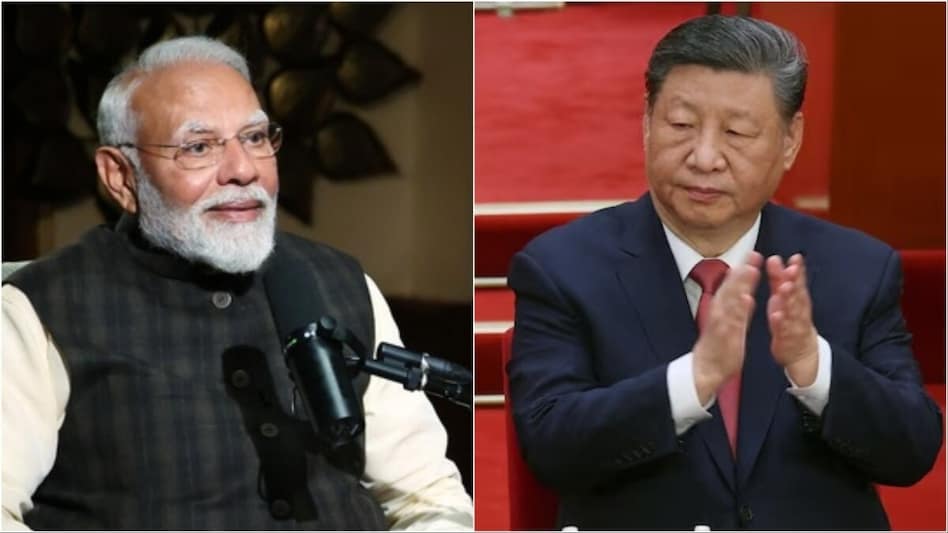
 Chinese editorial backs India against US amid Trump tariffs
Washington’s attempt to lure New Delhi in order to contain Beijing in the region does not align with India’s independent foreign policy, said a Chinese opinion piece. Also the view that India is inching towards China due to Trump’s tariffs is a one-sided view, it said. There are far many reasons for India and China to cooperate, the editorial added.
The editorial, published in Global Times, stated: “The recent "warming" of China-India ties clearly shows that Washington's attempt to draw New Delhi into its so-called "Indo-Pacific strategy" to contain China does not align with India's independent foreign policy.”

 Tata Capital roadmap: 100% micro-housing growth, 500 gold loan branches and more
  Your UPI payments could soon be more private; NPCI plans to mask phone numbers on UPI apps
 N Chandrasekaran's ₹685 crore pay in 5 years: The figure that stands out in Tata Sons' latest annual report
 Bengaluru restaurants to boycott Swiggy, Zomato from August 15. Here's why
 Weight loss drugs come with a new lifestyle. And Tata is already preparing for it
 Manipal Health IPO Review: Should Investors Apply For Long-Term Growth Or Avoid It?
 Trump And Netanyahu Meet In Washington As Iran Differences Surface At White House
 Pentagon Alters Iran War Casualty Toll As U.S. Troop Losses Spark Massive Storm In Washington
 HUL Share Price Outlook: Brokerages Turn Bullish After Earnings | FMCG Stock Analysis
 I.T. Stocks Rally 16% In July: Is The Biggest Comeback Still Left Or Will Profit Booking Begin?
 Coforge shares extend gains; check latest target prices post Q1 results
 Kalyan Jewellers shares: Fresh buy or exit? Key levels to watch
 Adani Ports Q1 results: PAT rises 10% YoY to Rs 3,650 crore, revenue climbs 19%; shares slip
 Beauty Garage files IPO papers with SEBI; check key details
 Swiggy shares hit three-month high, up 11% in two sessions; what's fueling the rally? Manipal Health IPO Review: Should Investors Apply For Long-Term Growth Or Avoid It?Trump And Netanyahu Meet In Washington As Iran Differences Surface At White HouseCoforge shares extend gains; check latest target prices post Q1 resultsKalyan Jewellers shares: Fresh buy or exit? Key levels to watch
 AI creators ask for slowdown; 1,100+ employees from OpenAI, Google and Meta warn of 'real risk'










