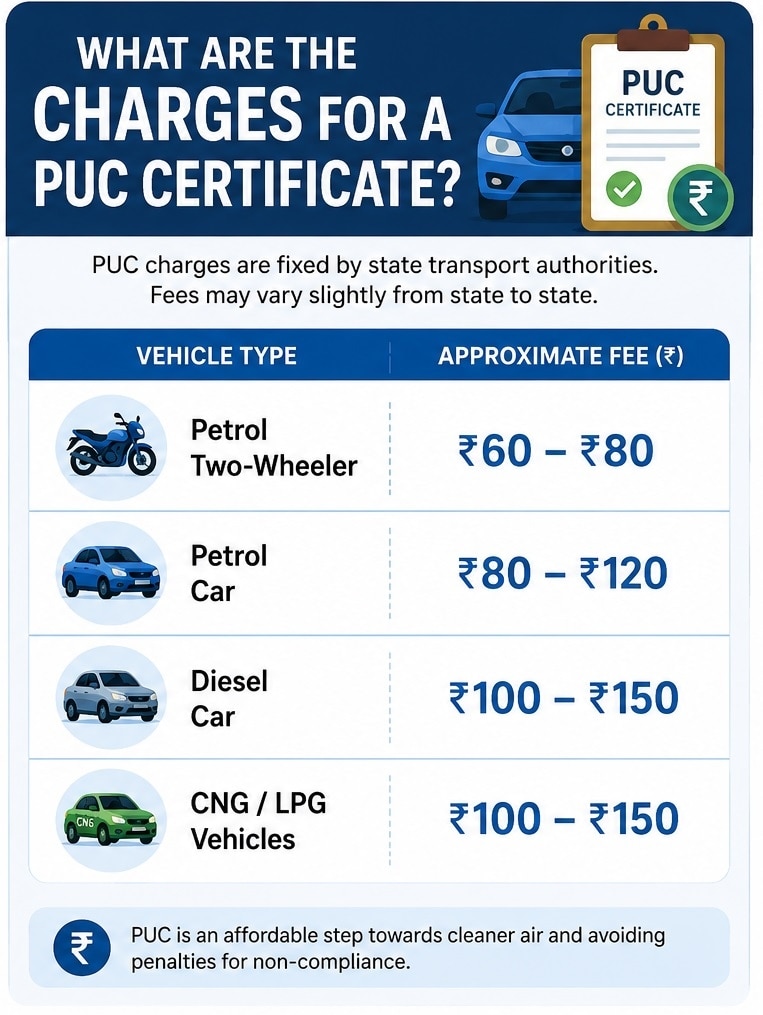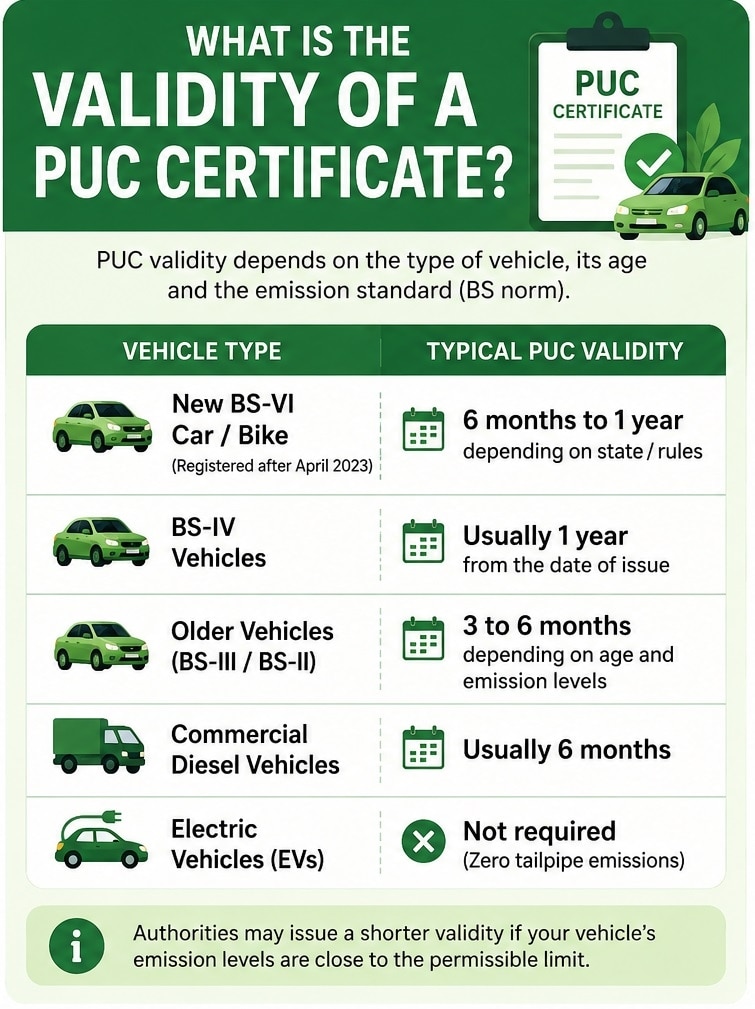


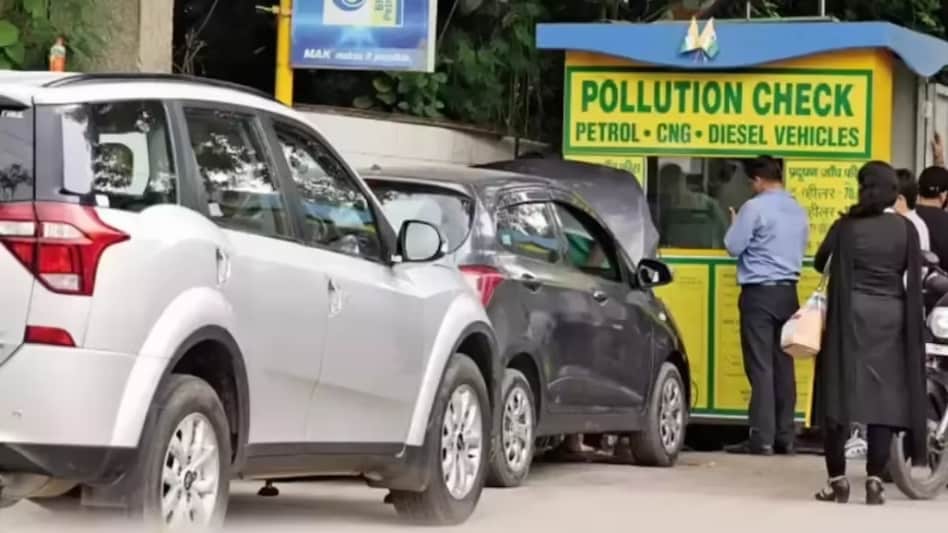
 A valid PUC certificate is mandatory for most petrol, diesel, CNG and LPG vehicles running on Indian roads. Electric vehicles are exempt because they have zero tailpipe emissions.
 With stricter anti-pollution enforcement across India and NCR authorities moving toward “No PUC, No Fuel” implementation, the humble Pollution Under Control (PUC) certificate has become one of the most important vehicle documents after RC, insurance and driving licence.
Whether you own a new BS-VI car, an older diesel vehicle, or a two-wheeler, here’s a complete explainer on what a PUC certificate is, how to get one, validity rules, charges and penalties.
 Indian rupee hits two-month low, ends nearly flat below 96 per US dollar
 Reliance, Nayara restrict fuel sales as crude hits $107 and retail prices stay frozen: Report
 No social media for under 18s? Centre mulls new safeguards after SC raises concern
 Gold is booming, but EGRs aren’t: Why electronic gold receipts are struggling to attract investors despite market buzz
 BT BIG STORY: Why crypto is still thriving among Indian investors
 Supreme Court Questions High Medicine Prices At Corporate Hospitals | Essential Drugs Pricing
 India Seeks Alternate Air Routes Via China, Bhutan To Cut Airline Costs | Pakistan Airspace Ban
 8 Years Of Ayushman Bharat: Benefits, Eligibility & How To Claim | Insurance Guide | Money Today
 Noel Tata Hits Back With New Merger Plan | Can Tata Sons Avoid Listing? | Boardroom War
 Tata Vs Tata: The iPhone, Ram Mandir Connection That Could ‘Rescue” Tata Sons
 Nilesh Shah on FOMO: Why investors should stop chasing ‘once-in-a-lifetime’ opportunitiesIndian rupee hits two-month low, ends nearly flat below 96 per US dollar
 Stock picks during correction: Coal India, Sona BLW, Blue Star form part of defensive watchlist, says analyst
 Helios Capital on why falling gold prices are not a trigger for renewed interest in yellow metal
  Prestige Estates stock outlook: Motilal Oswal sees 29% upside on strong launches, check target price
 Billionaire Industrialists & Philanthropists Yohan and Michelle Poonawalla of Poonawalla Group Venture into Defence Sector with Strategic Investment in Optimized Solutions Ltd
 A prolonged West Asia conflict will increase risks to corporate earnings, says Nomura's Saion Mukherjee
  5-day banking closer to discussion stage as IBA forms high-level committeeSupreme Court Questions High Medicine Prices At Corporate Hospitals | Essential Drugs PricingIndia Seeks Alternate Air Routes Via China, Bhutan To Cut Airline Costs | Pakistan Airspace Ban