


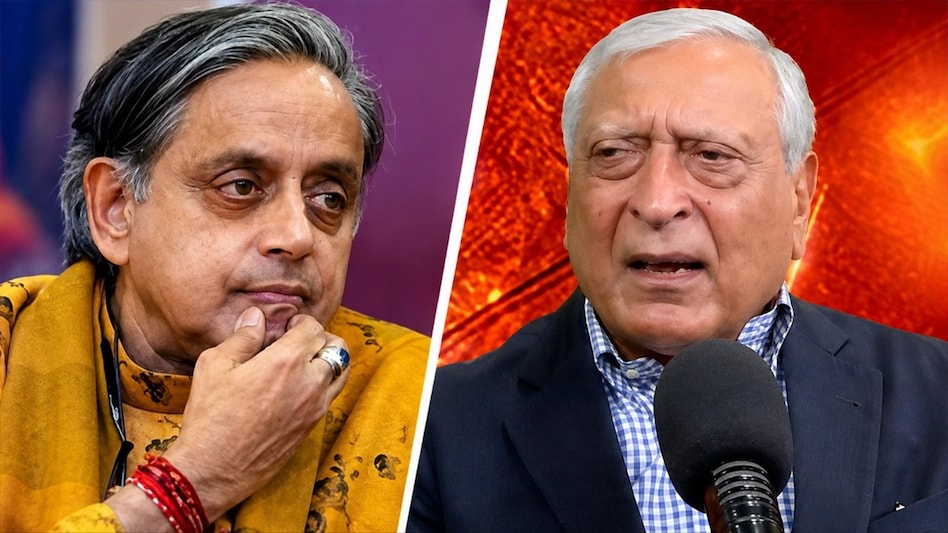
 'Why glamourise street protests?': Kanwal Sibal responds to Tharoor's Gen Z post
Former Foreign Secretary Kanwal Sibal on Tuesday cautioned against "glamourising" street protests and adopting Western labels such as Gen Z, Gen X and Millennials to describe Indian youth.
Responding to Congress MP Shashi Tharoor's post on Gen Z protests, Sibal said genuine problems such as youth unemployment should not be used to promote street mobilisation.

 Inflation heats up: Food prices rise, crude crosses $100; what it means for your wallet
 US could cut the 40-hour workweek to 32 hours: Here's what the new bill proposes
 Festive rush: Flight fares soar for domestic routes on Diwali weekend
 Jefferies sees CAS proposals easing uncertainty for brokers, exchanges; maintains 'BUY' on Groww, 'Underperform' on BSE
 'No good deed in govt goes unpunished': Ex-Telecom Secretary's memoir makes rare revelations on BSNL, 2G
 Why Crude Oil Prices Are Rising Again Now?
 Modi Xi Meet After 7 Years In India Signals Possible Reset In Bilateral Ties
 BRICS Summit 2026: India Secures New Delhi Declaration After Intense Negotiations
 BRICS Summit 2026: Modi’s Big Diplomatic Win As New Delhi Declaration Gets Backing
 Dario Amodei, Sam Altman, Elon Musk Back AI Slowdown Call Amid Growing Safety Concerns
 Varun Beverages shares slip 25% from 52-week high; more downside ahead?
 Uno Minda gets 'IND A1+' credit rating for commercial papers from India Ratings
  Karnataka Bank, Pondy Oxides, ITDC, Blue Dart among stocks to turn ex-dividend on September 15
 Stock market outlook: Crude oil prices, US Fed's policy decision among key factors to watch out for this week
 Raghav Productivity Enhancers' subsidiary bags patents for quartz processing
 Made-in-India cars are winning over Japan! Maruti powers nearly two-thirds of Suzuki's global productionInflation heats up: Food prices rise, crude crosses $100; what it means for your walletUS could cut the 40-hour workweek to 32 hours: Here's what the new bill proposesWhy Crude Oil Prices Are Rising Again Now?Modi Xi Meet After 7 Years In India Signals Possible Reset In Bilateral Ties












