


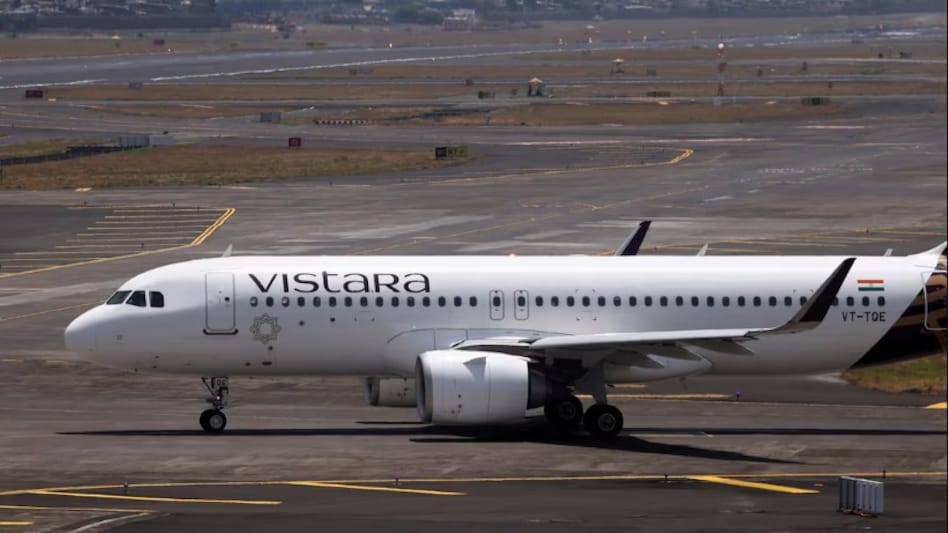
 Vistara flies its final flights today, to merge with Air India
Its curtains down for brand Vistara midnight on Monday as it integrates with Air India, but operational issues post-merger is expected to become the toughest challenge at hands for the salt-to-software conglomerate Tata group.
Experts, tracking the merger of Vistara —jointly owned by Tata Group and Singapore Airlines—with Air India, say the financial merger process is over but the success of this merger will depend once the people and processes change and that is going to be extremely difficult task.

 Closing Auction Session: Why the system expected to reduce volatility is still seeing occasional wild swings
 Silver may be cheaper than gold as 2026 draws to a close: Report
 India paid 29% more for cooking gas after Hormuz strikes: Report
 Nepal faces years-long rebuild and $5 billion bill after devastating flash floods, says billionaire
  Noel Tata, Shapoorji Pallonji negotiate share swap for 18.4% Tata Sons holding: Report
 Explained: How China Is Using Old Chips, New Designs And Robots To Beat The Blockade
 Where Is The Smart Money Moving? Elara Capital Reveals Its Key Market Themes
 Debt Mutual Funds Or Bonds? Understanding Liquidity, Diversification & Risk
 Reasons Why Arvind Could Be A Big Winner In India’s Textile Sector
 “Analogue Paneer Isn’t Fake”: Sanjeev Kapoor On FSSAI Rules & What Consumers Must Know
 Jio Platforms IPO gets SEBI nod: Rs 27,500 crore debt repayment plan, $100 billion valuation in focusClosing Auction Session: Why the system expected to reduce volatility is still seeing occasional wild swings
 RIL-backed penny stock hits 52-week low; firm clarifies on high trading volume
 Happiest Minds shares slip despite IT stocks surge; here's what is weighing on the stock
 BEL, Solar Industries shares remain Nuvama's top defence picks; here's what it said on BDL, Data Patterns, HAL
 From rakhis to smartphones: Indians turn to quick commerce for last-minute Raksha Bandhan shopping
 Mahindra takes battery-as-a-service to entire electric SUV line-up
 Morgues at capacity as Nepal struggles to identify bodies carried downstream by floodsWhere Is The Smart Money Moving? Elara Capital Reveals Its Key Market ThemesExplained: How China Is Using Old Chips, New Designs And Robots To Beat The Blockade












