









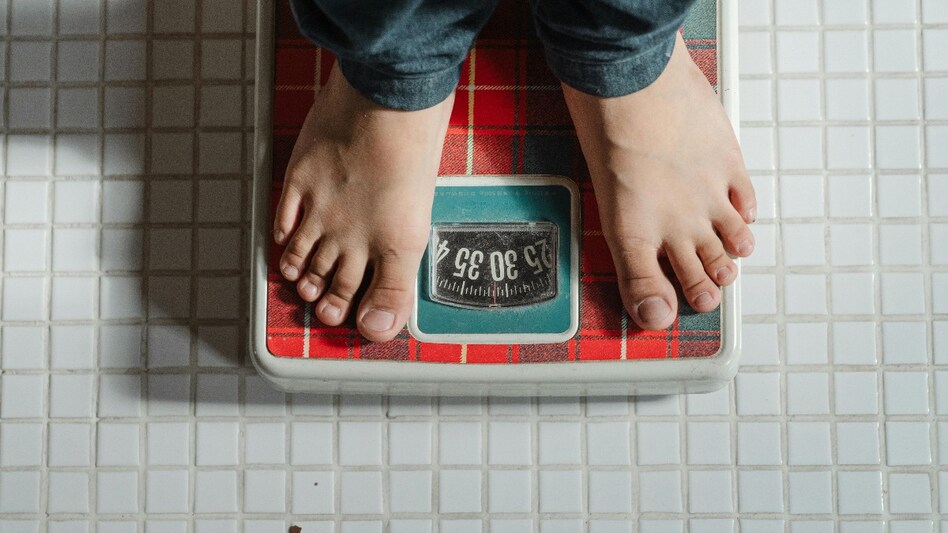
 A recent study examined how bariatric surgery compares to weight-loss drugs in terms of weight loss and long-term costs.

 A recent study examined how bariatric surgery compares to weight-loss drugs in terms of weight loss and long-term costs.
Weight-loss drugs such as semaglutide and tirzepatide have created a growing global market, attracting attention from patients, doctors, and investors alike, while a recent study published in JAMA Surgery has examined how bariatric surgery compares in terms of weight loss and long-term costs.
The research, led by Tyson S. Barrett, of Highmark Health in the United States, analysed the health records of 30,458 patients from the Highmark Health insurance claims database and the Allegheny Health Network. It compared outcomes for patients with class II and III obesity who underwent metabolic bariatric surgery either sleeve gastrectomy or gastric bypass, with those who received glucagon-like peptide-1 receptor agonists (GLP-1 RAs), a class of drugs that includes semaglutide and tirzepatide.
Over a period of two years, patients who had bariatric surgery lost an average of 28.3% of their body weight, compared with 10.3% for those on GLP-1 therapy. Costs also tended to favour surgery. The mean total expenditure for surgical patients was $51,794, while GLP-1 therapy cost $63,483, resulting in an average saving of $11,689 over two years. The study noted that these savings largely reflected ongoing pharmacy costs associated with GLP-1 drugs.
To ensure a reliable comparison, the researchers used propensity score weighting to adjust for factors such as age, sex, comorbidities, smoking status, and baseline spending. Most participants were women (66 per cent) with a mean age of 50 years. The study concluded that while bariatric surgery is often seen as a last resort, it may provide more durable results at a lower overall cost. “Further study is needed to determine if metabolic bariatric surgery should still be considered the last resort in treating obesity,” the authors wrote.
The Indian Context
In India, obesity prevalence is increasing, and the findings of the study carry practical implications. According to the International Diabetes Federation (IDF), over 101 million people in the country have diabetes, a condition closely linked to obesity.
Dr Anoop Misra, Chairman of Fortis C-DOC Hospital for Diabetes and Allied Sciences, said the issue is particularly relevant among low- and middle-income groups, women, and younger populations. “Asian Indians display a distinctive metabolic profile marked by abdominal obesity, low muscle mass, and high insulin resistance—even at relatively modest BMI levels. This makes them prone to type 2 diabetes and related conditions at much lower thresholds compared to Western populations,” he said.
While GLP-1 drugs offer a new approach, cost is a major factor. “These drugs can cost over ₹10,000 a month, which puts them out of reach for most patients,” Misra said. The requirement for injections and cold-chain storage further limits their accessibility. He added that these drugs should be used after diet and exercise have failed, with lower-cost options prioritised for those with financial constraints, and surgery reserved for cases where medication is not effective.
Misra also highlighted the role of low-cost, culturally appropriate diets. He recommended the High Protein Atkin’s Complete Vegetarian (PACER) diet, which includes sattu, besan cheela, chapatis, and lentils, and costs almost half as much as ketogenic diets. He stressed pairing dietary changes with at least 300 minutes of weekly physical activity, using locally familiar practices such as traditional dance or group aerobics.
Barriers to Surgery
Even with evidence of its cost advantages in the United States, bariatric surgery faces practical barriers in India. High surgical costs, limited insurance coverage, and the need for specialised centres make access difficult. “For bariatric surgery, high surgical costs, limited insurance coverage, and the need for specialised centres remain key barriers in India,” Misra said.
Dr Pradeep Chowbey, Chairman of the Max Institute of Laparoscopic, Robotic and Bariatric Surgery, emphasised the importance of evidence-based decision-making. “There should always be a scientific way to look at a disease and advise patients accordingly,” he said, noting that treatment decisions must consider both medical and financial realities.
Towards Affordable, Tiered Solutions
According to available research, the economic burden of diabetes in India is substantial. Total spending on diabetes care was estimated at around USD 8.5 billion in 2021 and is projected to rise to approximately USD 10.3 billion in the coming years, as published in PMC. Out-of-pocket expenditure remains a significant component, accounting for nearly 47 per cent of total health spending in 2019–20, according to a study published in Frontiers in Public Health. These figures highlight the financial pressure diabetes places on households and the healthcare system, emphasising the need for affordable and scalable interventions.
The economic burden of obesity is expected to grow unless interventions become more widely accessible. Dr Misra called for a dual-tiered approach: community-driven, affordable solutions such as dietary counselling and physical activity for the majority, alongside advanced therapies—GLP-1 drugs or bariatric surgery—for selected patients.
He cited the success of Delhi’s Diabetes Care at Doorsteps initiative, which used mobile vans to screen and treat underserved populations, recording over 312,000 patient visits and measurable weight reduction through counselling.
“India needs affordable, accessible, and rational weight-loss strategies. Without these, obesity, diabetes, and related conditions will continue to place a burden on families and the healthcare system,” Misra said.
 HDFC Bank shares in focus as Rajiv Kumar named part-time Chairman
 Uncertainty looms over US-Iran talks in Doha; here’s what we know
 Cabinet reshuffle around the corner? PM Modi calls top bureaucrats for high-stakes meeting
 ‘People ask why it’s taking so long’: Only 1% negotiations left for India-US trade deal, says Sergio Gor
 'We will cut off those hands': Pakistan minister threatens India over Indus water row
 Why Jio BlackRock AMC Is Launching Hybrid Long-Short As It's First SIF
 Delhi Unveils ₹15,000 Crore EV Policy: What It Means For Auto Companies And Consumers
 Gold, Silver Or Crude? Where Should Investors Bet Now? | Vandana Bharti
 How India Strategically Managed LPG & Crude Oil Supplies During West Asia War | K. Surana Explains
 Delhi’s Green Revolution: CM Rekha Gupta Unveils Massive ₹15,000 Crore EV Policy To Combat Pollution
 Vedanta Iron shares extend rally, surge 10% to hit fresh record high
 CSM Technologies IPO allotment date: Step-by-step guide to check status as GMP falls flat
 Multibagger stock: Kirloskar Oil shares down 14% in 4 sessions; should you buy?
 BT Opening Bell | Sensex, Nifty open in green; Maruti, Axis Bank, Sun Pharma top gainers
  Adani Power, NTPC, ACME Solar shares among Antique's top power sector picks