


 Next-gen of weight-loss drugs arriving sooner than expected
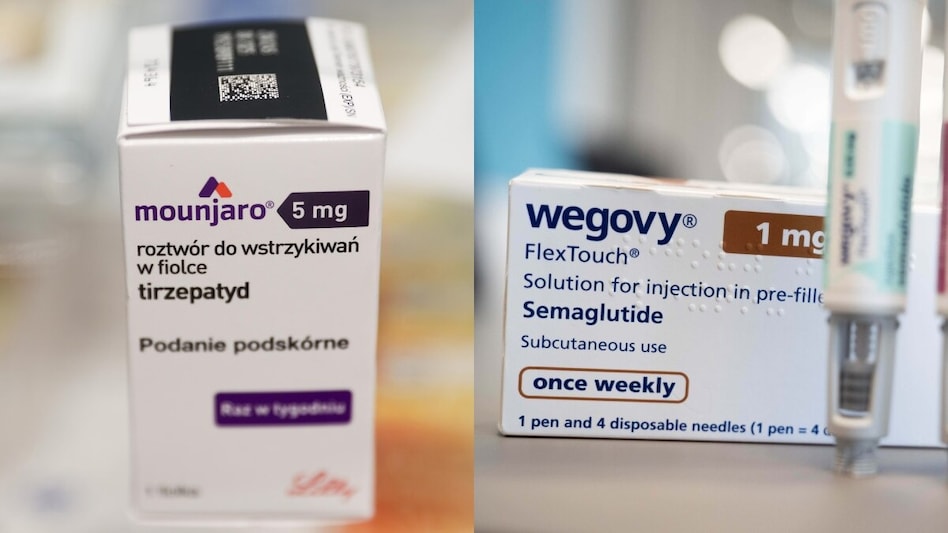
The market for weight-loss and diabetes drugs is heading into its most disruptive phase yet. After turning Wegovy, Ozempic, Mounjaro and Zepbound into a $54 billion global category in 2024, the industry is preparing for a wave of new entrants in 2026 that could be longer acting, easier to administer and, in several cases, available as oral pills.
At the same time, semaglutide’s patent expiry across major emerging markets, including India, Brazil and China, is expected to open the field to generic manufacturers and sharply expand access. IQVIA data shows that demand for GLP-1 drugs has been rising at more than 40 percent annually across several countries, resulting in recurring shortages and prompting companies to accelerate pipeline development.
A series of next-generation candidates is now approaching late-stage development. Eli Lilly’s retatrutide, often referred to informally as the “Godzilla drug” for its high efficacy in early studies, is in Phase III trials with results expected by late 2025. Novo Nordisk’s CagriSema, a combination of cagrilintide and semaglutide, is also in Phase III and is expected to reach the market around 2026, with trial data showing weight-loss outcomes that meet or exceed tirzepatide. Amgen’s MariTide, previously known as AMG-133, is progressing through mid-stage development and has shown promising early results with the potential for once-monthly dosing. New data is anticipated this year.
Bimagrumab, originally developed by Novartis and now under Eli Lilly’s Versanis unit, is being evaluated for its ability to reduce fat while preserving muscle mass, a feature that could become increasingly relevant as millions of patients stay on these medicines for long periods.
“The next generation of weight-loss drugs is arriving far sooner than expected. The newer versions are easier to take, last longer, and promise far more than a change on the weighing scale. Demand is exploding, companies are racing to expand their pipelines, and it’s clear this category is only getting started,” said Dr Rashmi Chaturvedi Upadhyay, Principal Consultant at Dialectica, a B2B information services firm.
“Their impact will go beyond obesity care. These treatments will shape how health systems plan for chronic diseases, how insurers view long-term risk and how societies define preventive healthcare,” she said.
Analysts say 2026 is likely to be a turning point for pricing as well as volume. “More injectables, oral pills and combination therapies are coming,” said pharma sector analyst Salil Kallianpur. “With semaglutide losing patent protection in markets such as India, Brazil and China, generic entry is expected to accelerate. Prices will ease and governments may explore larger access programmes.”
Global disease-modelling studies show that broader access to GLP-1 therapies could prevent two to three million deaths annually by reducing the burden of obesity-linked and cardiovascular diseases.
India is expected to play a central role in the next phase of the market. Domestic companies such as Cipla, Dr Reddy’s Laboratories, Sun Pharma and Biocon are already preparing for formulation opportunities once patents open. The arrival of oral GLP-1 pills, which do not require cold-chain storage, creates a clearer path for nationwide distribution. With strong manufacturing capabilities and cost advantages, India could emerge as a key supplier for both domestic demand and exports to the Global South.
“As science, competition and market forces align, 2026 has the potential to mark the beginning of a new phase in metabolic health, and India is positioned to be an important part of that transition,” Kallianpur said.
Doctors have said that new anti-obesity drugs must remain affordable, safe and used alongside diet and exercise, not as a replacement for them, especially in countries like India with limited large-scale trial data.
“The future introduction of new anti-obesity drugs raises key challenges — cost, equitable access, long-term safety data and how these medicines will be integrated into lifestyle-based care. These issues are particularly important for India, where large-scale trials are not held," said Dr Anoop Misra, Chairman of Fortis C-DOC Hospital for Diabetes and Allied Sciences and Director of the National Diabetes Obesity and Cholesterol Foundation (NDOC).
“For India and other low- and middle-income countries, the next wave of therapies must come with strategies to make them affordable and to ensure they supplement, rather than replace, balanced diet and physical-activity interventions,” he said.

 Tata Sons stake: Shapoorji Pallonji looking at various options to cut its high debt
 Hormuz closure: Houthis prepared to attack shipping near Bab el-Mandeb strait, says report
 PM Modi launches India’s first hydrogen train on Jind-Sonipat route, unveils major development projects
 Trump admin tightens US visa rules: Student visa limits capped, restrictions for foreign journalists
 India’s GCC boom brings senior Indian executives back from the US
  India Arms China's Neighbours With BrahMos: How Missile Exports Reshape The South China Sea Strategy
 Large Caps Vs Mid Caps: Where Should Investors Put Money Now? Deven Choksey Explains
 BHEL Q1 Results: Reports Profit At ₹382 Crore, Stock Jumps 5%; Analyst Bets On Long-Term Growth
 ITC Hotels Q1 Results: Why Have ITC Hotel Shares Fallen Despite Strong Earnings? | ITC Share Price
 Why Abakkus Is Betting On Large & Mid Caps Now?
 TechM share price: Jefferies target among lowest, MOFSL's highest post Q1 results
 Profit booking in Polycab shares after Q1 earnings: Brokerages share price targets, outlook
  Caliber Mining & Logistics IPO opens: Should you apply? Price band, issue size, GMP & more
 BHEL, UltraTech Cement, SRF: Top stocks to trade — Target prices, stop loss & more
 Sensex rises 450 pts, Nifty nears 24,200; IT stocks top gainers









