

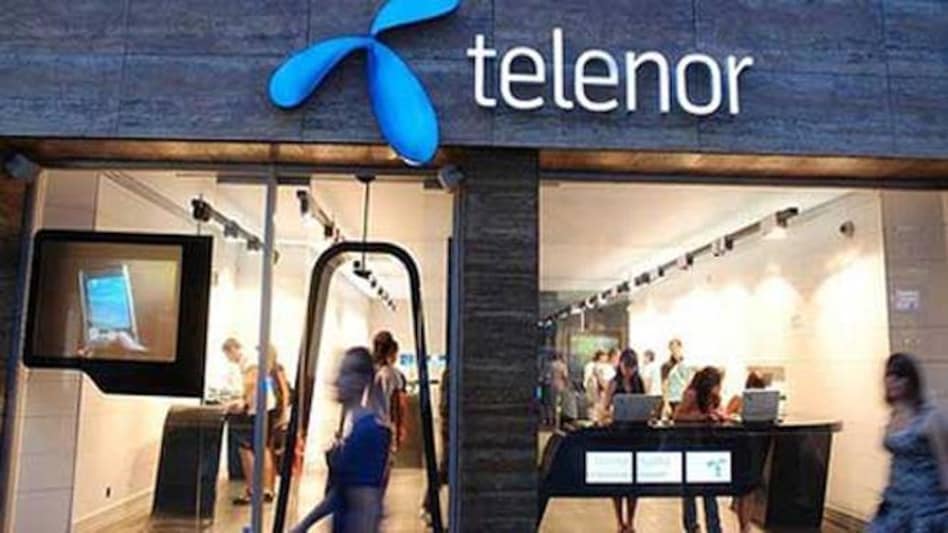
It's an end game for Norwegian telecom operator Telenor in India. Nearly eight years after venturing into India, Telenor has decided to call it quits. On Thursday, Telenor announced its plans to sell its entire operations in India to Bharti Airtel for an undisclosed amount. The journey of Telenor in India is rather tumultuous. Like many other global telecom majors - Vodafone, MTS, and DoCoMo - Telenor was lured by the vast potentiality offered by India.
As Telenor exits India lock, stock and barrel, it's time to understand what went wrong. To begin with, Telenor's entry into India was ill-timed. Back in 2008, the government opened the gates of telecom sector allowing various players to set up shops, including a lot of non-serious entities. The telecom ministry issued 122 telecom licences to some 22 entities on a first-come, first-served basis at the 2001 prices. Real estate firm Unitech, through its subsidiaries, acquired spectrum in all 22 telecom circles.
 Indian Oil, HPCL, BPCL shares rise as brent crude prices fall for fourth day
  Ahead of 3-day bank strike next week, Chief Labour Commissioner calls for meeting
 Tata Sons power struggle: Who will pay for the next legal battle?
 Semiconductor stocks: Centrum's Nilesh Jain prefers CG Power, Syrma SGS; cautious on Kaynes, Dixon
 Will India cut down on Russian crude purchases due to US tariffs? Here’s what we know
 Tata Sons Listing Row: Shapoor Mistry Backs IPO As Noel Tata Pushes ₹25,000-Crore Plan
 Takeda, Dr. Reddy’spartner To Bring QDENGA Dengue Vaccine To India; Launch Expected In H1 2027
 Would You Really Upgrade Your iPhone Just For THIS? | The iPhone 18 Pro Debate
 IPO Rush Drains Secondary Market Liquidity; Ajay Bagga On Primary Market & NSE IPO
 Dr. Reddy's Sees Dengue Vaccine Opportunity As QDENGA Launch Nears
 Hero MotoCorp, Delhivery shares set for a rebound: Market expert
  Howard Buffett: Key facts about Berkshire Hathaway's new chairman
 Paytm shares: UPI fee changes could aid revenue, margin recovery; what Kranti Bathini saysIndian Oil, HPCL, BPCL shares rise as brent crude prices fall for fourth day Semiconductor stocks: Centrum's Nilesh Jain prefers CG Power, Syrma SGS; cautious on Kaynes, DixonHero MotoCorp, Delhivery shares set for a rebound: Market expert
  52 cheetahs and counting: Project Cheetah reaches a new milestone after four years
 Pixel 10 gets ₹12,460 cheaper: Here’s the new price and what you get
 Nothing's ‘CMF becomes Indian’: CEO Carl Pei explains what this means for sub-brand
 22 years watching IITs, 14 years teaching: Professor says he 'never once' saw caste discrimination












