


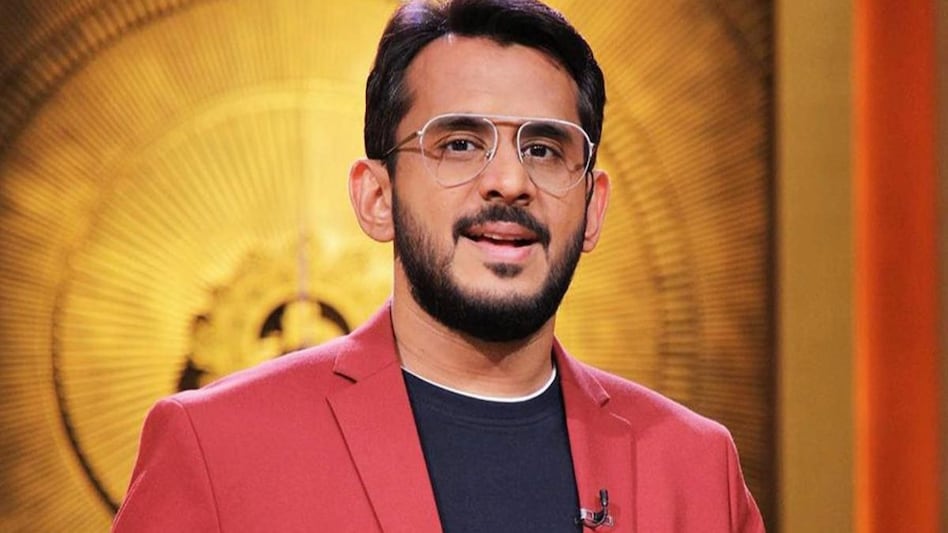
 He cautioned that reputational setbacks like this risk tainting the broader startup narrative.
 The fall of BluSmart has sent shockwaves through India’s startup ecosystem and for boAt’s Aman Gupta, it’s more than just a business collapse. It’s a wake-up call. Reflecting on the impact of the controversy, Gupta shared a deeply personal post, underscoring the damage and the lessons that must be learned. His message is clear: This isn’t just about one company’s missteps. It’s about the foundation of trust, ethics, and governance in the startup world.
Calling the incident “tough” and “sad,” Aman Gupta, Co-Founder and CMO of boAt, said the BluSmart situation is a “much-needed reality check” for the entire startup ecosystem.

 'Volatile Trump may misinterpret it': Ex-diplomat on whether BRICS is becoming anti-West
 India cannot become $30 tn economy without US, China, Europe: Amitabh Kant on New Delhi's BRICS challenge
 Bahrain Court rejects claims by investors in Credit Suisse AT1 bonds case against HDFC Bank
 It's official: Xi Jinping will attend BRICS Summit in New Delhi
  Insolvency regulator sounds alarm over misuse of bankruptcy law; tells professionals to dig deeper
 Can BRICS Share Data Without Sharing Control? RITES CMD Rahul Mithal On MAITRI
 India’s Hidden Gems Could Unlock A $500 Bln Export Opportunity: ICIB’s Manpreet Singh
 China Is Not Just A Rival, It’s A Market For Indian Companies Says ICIB President Manpreet Singh
 UPI Boom Vs Credit Cards: Why Card Companies Could Still See Strong Growth In India
 ‘Biggest Drawback For Investors’: Sachin Ahuja Flags India’s Slow Justice System
 Closing Auction Session here to stay, says Sebi chairman Pandey
 Power stocks: Nuvama picks ACME Solar, NTPC, Power Grid; check target prices
 FII outflows, market correction: Client Associates’ Himanshu Kohli on where investors should put their money now
 MSCI India rebalancing went well under CAS, says SEBI chief: Report
 HFCL share price: Why recent rally is a red flag; analyst says this on fresh entry
 BRICS Summit 2026: Delhi to see cloudy skies, light rain on September 11, IMD says
 IIT Delhi executive certificate in Agentic AI: Check course fee, eligibility, modules, learning outcomes
 Hawkins Cookers FD opens on September 16; offers up to 8% for three years
 What's cooking for BRICS? From Kashmiri spiced walnuts to an edible lotus, here's the menu
 BRICS Summit 2026: Which BRICS country is the world's largest oil producer? Check full list












