


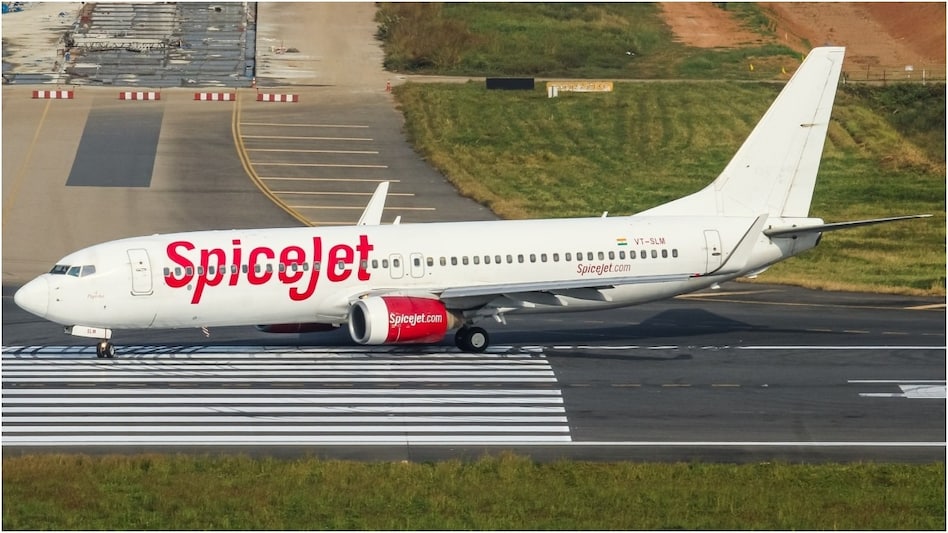
 The suspension took effect on November 12 after SpiceJet missed a final payment deadline.
Operations at Dubai International Airport hit an immediate roadblock for SpiceJet on Thursday after the airport operator suspended check-in services over 14 million dirhams (about ₹35.8 crore) in unpaid dues. The freeze forced the cancellation of four flights to India and prompted the Dubai Civil Aviation Authority to summon the carrier's station manager over its failure to notify affected passengers.
The suspension took effect on November 12 after SpiceJet missed a final payment deadline. Dubai Airports had warned the airline on November 9 that its arrears had climbed to 14 million dirhams — with no payments made since October 13 — and that check-in counters would shut down if the balance was not cleared in full.

 BT BIG STORY: From Gir's Asiatic lions to Jawai's leopards and Kaziranga's rhinos, luxury is spreading its wings across the wild
 Jensen Huang exit: Interim CEO Colette Kress, Chair Harvey Jones rally Nvidia staff in internal memos
 Microsoft 365 outage hits 74 countries; Outlook, Teams and Copilot knocked offline
 Nvidia row intensifies: Ex-CEO Jensen Huang was in relationship with second employee, claims report
 'I'm a piece of sh**': What transpired on Jensen Huang's last day as Nvidia CEO
 Return Of License Raj? Dr Shamika Ravi On India's Ease Of Doing Business & State Reforms
 How Should Investors Allocate Money Across Equity, Gold, Silver & Debt? Mrin Agarwal Explains
 Jailer 2 To Daayra: 5 Big OTT Releases To Binge-Watch This Weekend
 Nvidia CEO Jensen Huang Faces Ouster Amid Dual Affairs Allegations, China Spy Row | AI Crisis
 Samvat 2083: How Should Women Invest? Mrin Agarwal Decodes The Wealth Creation Strategy

 Meesho shares gain post Rs 1,885-crore block deal, check details
 NSE Indices launches Nifty 1000, Nifty 1000 Equal Weight indices; Key details
 Godrej Properties shares in focus as company adds 31-acre parcel in Indore
 Stocks in news: Ola Electric, Meesho, Zee Entertainment, Tata Motors Passenger Vehicles and more
 TMPV Q2 results: Price hikes to aid sales growth; eyes on commodity price inflationMeesho shares gain post Rs 1,885-crore block deal, check details NSE Indices launches Nifty 1000, Nifty 1000 Equal Weight indices; Key details
 'Bring back THE boss if..': Over 1,600 Nvidia employees demand Jensen Huang's returnGodrej Properties shares in focus as company adds 31-acre parcel in Indore
 Tata Sons refuses Noel Tata’s request for recording of Sept 17 board meeting where N Chandrasekaran was reappointed: Report












