












 Photo: ReutersPhoto: Reuters
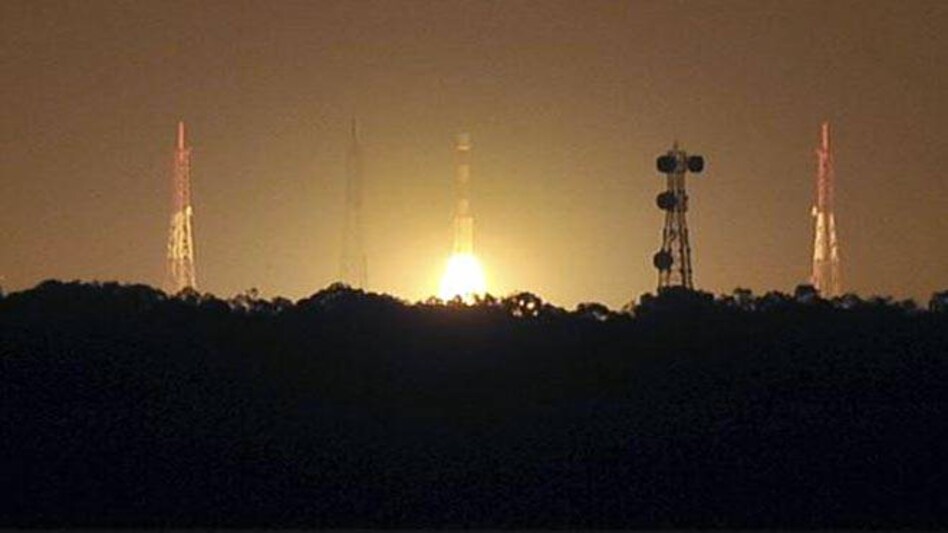
In a historic launch, Indian Space Research Organisation (ISRO) on Wednesday launched PSLV-C34 carrying 20 satellites from the Satish Dhawan Space Center in Andhra Pradesh's Sriharikota.
This is the first time the ISRO has launched more than 10 satellites with a single rocket. In 2008, the ISRO had launched 10 satellites with the PSLV rocket.
The country's most trusted work horse PSLV rocket tore into the morning skies at 9:26 am with a growl breaking free of the earth's gravitational pull. The satellite launch vehicle stands 44.4 metre tall and weighs 320 tonne.
Below are 10 important facts to know:
(With inputs from agencies)
 Govt ramps up fuel, shipping preparedness as Hormuz tensions rise; LPG, petrol stocks adequate, says Centre
 Strait of Hormuz crisis: 22 countries ask Iran to stop attacks, restore shipping route
 Gold, silver prices drop up to 12% this week; what lies ahead for precious metals?
 Generic Semaglutide hits India: Prices fall 90% as companies compete for diabetic patients
 Natanz nuclear facility hit in airstrike; Iran says no radiation leak reported yet
 UAE Shoots Down 90% Iranian Missiles, Inside The Powerful ‘Sky Guardian’ Defence System
 Is Iran Heading Toward Civil War? Rising Risks Could Trigger Global Energy And Security Crisis
 India’s Oil Crisis Deepens: Crude Basket Hits $156, Costs Surge Amid Gulf Conflict
 Market Volatility to Continue? Avinash Gorakshakar Shares Strategy After Bloodbath
 Can Ethanol Replace LPG In Indian Homes? Sugar Industry New Proposal
 Gold, silver prices drop up to 12% this week; what lies ahead for precious metals?
 Tata Motors PV, DCX Systems, SBI, Waaree Energies, Eternal among stocks in focus next week; here’s why
 Sensex, Nifty outlook for Monday, March 23: What to expect from stock market? Key levels, trading strategy & more
 HDFC Bank share performance: Before, during tenure, post Atanu Chakraborty’s resignation
 Waaree Energies shares in focus on Monday: CEO exits, CFO steps down; new leadership named