


 He credited India’s economic transformation over the past decade to this approach, describing it as “the modern India, we see being built in last 10 years.”
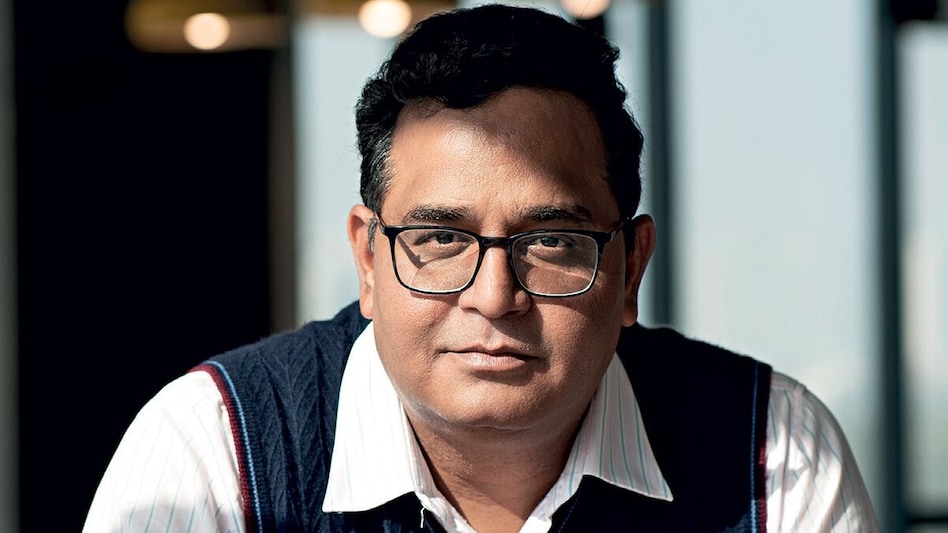
 As the debate over capitalism versus socialism resurfaces in India’s public discourse, leading startup founders are weighing in to defend the role of markets in driving growth, innovation, and opportunity. Vijay Shekhar Sharma, founder of fintech major Paytm, has argued that neither capitalism nor socialism offers perfect answers, but a market-driven economy remains the most effective framework for building value and sustaining progress.
In a post on X (formerly Twitter), Sharma said entrepreneurs themselves are a product of the market economy, stressing that rigid ideological positions often fail to capture economic realities. “Neither capitalism is perfect nor socialism solves the world’s miseries,” he wrote, adding that it is the market-based economy that “gives the opportunity to serve and build to everyone equally.”

 Where are the jobs: Youth unemployment remains high; fewer jobs for those with higher education in India
 What’s slowing the next phase of GCC growth?
 576 individuals reported gross income exceeding ₹100 crore in AY 2025-26
 NFO alert: SBI MF floats Nifty Midcap 150 Momentum 50 ETF FOF; why should you choose it
 Nitin Gadkari moves Bombay High Court against viral E20 deepfakes, hits Meta with suit
  Infosys Fined In France: 70-Hour Work-week Debate Returns After €175,000 Labour Penalty
 I.T. Sector Outlook: Is the Worst Over for Indian I.T. Stocks After Long Underperformance?
 France And Spain Wildfires Threaten Cap Ferret Mansions And Bordeaux Wine Country
 Maruti Suzuki Eyes 25-30% SUV Growth, Says CNG Demand Has Overtaken Diesel
 "Don't Divert Focus From Students' Future": Rijiju Urges Oppn To Debate Anti-Paper Leak Bill
 Tata Power Q1 profit rises 11% to Rs 1,176 crore; revenue up 6%, capex tops Rs 5,300 crore
 HDFC Bank concludes internal review into MSRDC deposit arrangements; CEO, CFO among 3 fined Rs 1 lakh
 How Narayana Murthy's era, Vishal Sikka's stint and Salil Parekh's tenure differed; big task awaits next Infosys CEO
 BEL Q1 results: Net profit rises 9%, revenue at Rs 5,533 crore
  Sensex, Nifty snap five-session losing run; investors add Rs 5.1 lakh crore in wealthTata Power Q1 profit rises 11% to Rs 1,176 crore; revenue up 6%, capex tops Rs 5,300 crore
 CCTV Captures Thrissur-Kozhikode Bus Crash In Malappuram, One Killed And Around 20 InjuredInfosys Fined In France: 70-Hour Work-week Debate Returns After €175,000 Labour PenaltyI.T. Sector Outlook: Is the Worst Over for Indian I.T. Stocks After Long Underperformance?France And Spain Wildfires Threaten Cap Ferret Mansions And Bordeaux Wine Country










