


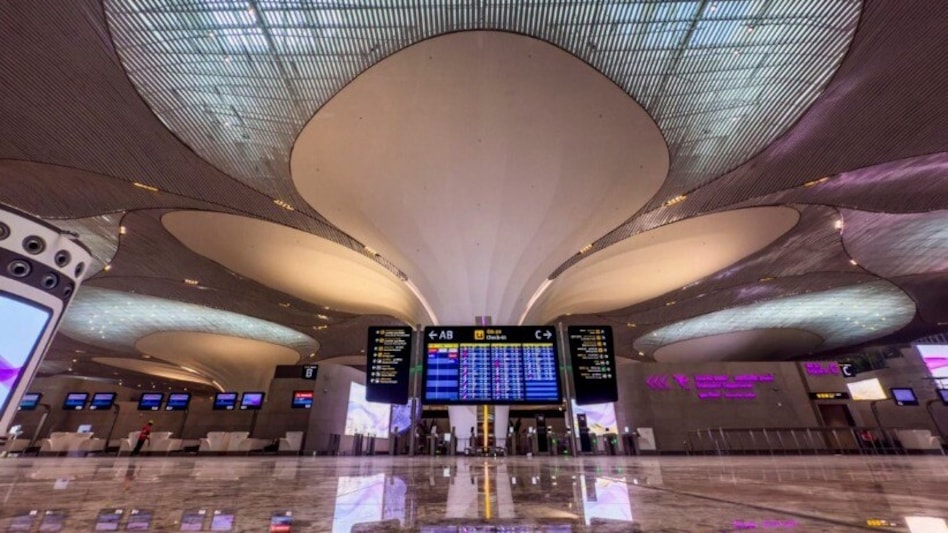
 Navi Mumbai airport clashes with COAI over RoW denial and high charges
The Cellular Operators Association of India (COAI) has raised concerns with the Department of Telecommunications (DoT) regarding Navi Mumbai International Airport Ltd (NMIAL), owned by the Adani Group. COAI alleges that NMIAL has denied Right of Way (RoW) permissions and imposed high charges for telecom infrastructure deployment at the airport, which began commercial operations on December 25.
COAI has called for DoT's intervention to ensure compliance with statutory frameworks and to prevent what it describes as monopolistic practices by NMIAL. The association claims that NMIAL is not complying with telecom regulations, while the airport operator maintains it is acting within industry standards.

 'Majority among two is two': Tata Trusts says Chandrasekaran reappointment failed AoA condition, has no legal effect
 ICAI plans further reforms to scale up homegrown accounting firms
 'Modi admin has done a phenomenal job': Blackstone's Jon Gray on what changed in India
 'SC/ST Act is being weaponised': Tech CEO backs IIT Bombay Professor, calls for case withdrawal
 West Asia tensions: Iran hands 7 terms to US via Qatar, warns of all-out war if Trump rejects deal
 Gold Price Target 2026: Expert Sees MCX Gold At ₹1.8 Lakh By Year-End Amid Strong Demand
 Health Insurance: Why Pre-Existing Diseases And Waiting Periods Matter For Buyers
 Crude Oil Above $100: How High Energy Prices And Rupee Weakness Impact Gold Prices In India
 CEA On India’s Manufacturing Rise, Atmanirbhar Bharat And Modi’s Economic Policy
 Health Insurance Buying Guide: 7 Things First-Time Buyers Must Check Before Choosing A Policy
 SpaceX weight in Nasdaq 100 to jump to 2.82% following quarterly index rebalance: Report
 Tata Motors or Ashok Leyland? Analyst reveals his preferred auto stock for near-term gains
 Maharashtra Scooters, Dixon Tech, Bharat Dynamics, Jai Corp among stocks to turn ex-dividend on Monday
 Jindal Supreme, SS Retail, Hero Motors IPOs subscribed up to 181 times on final day; details here
 Sensex, Nifty post sixth weekly loss; TCS, Titan among top laggards, slip up to 4%'SC/ST Act is being weaponised': Tech CEO backs IIT Bombay Professor, calls for case withdrawal
 IMD warns of extremely heavy rain as Bay of Bengal low-pressure system heads towards Andhra-Odisha coast
 EAM S Jaishankar, former Army chief get SIR notices in Delhi
 New CBFC rules mandate anti-drug warning in films depicting drug use'Majority among two is two': Tata Trusts says Chandrasekaran reappointment failed AoA condition, has no legal effect












