


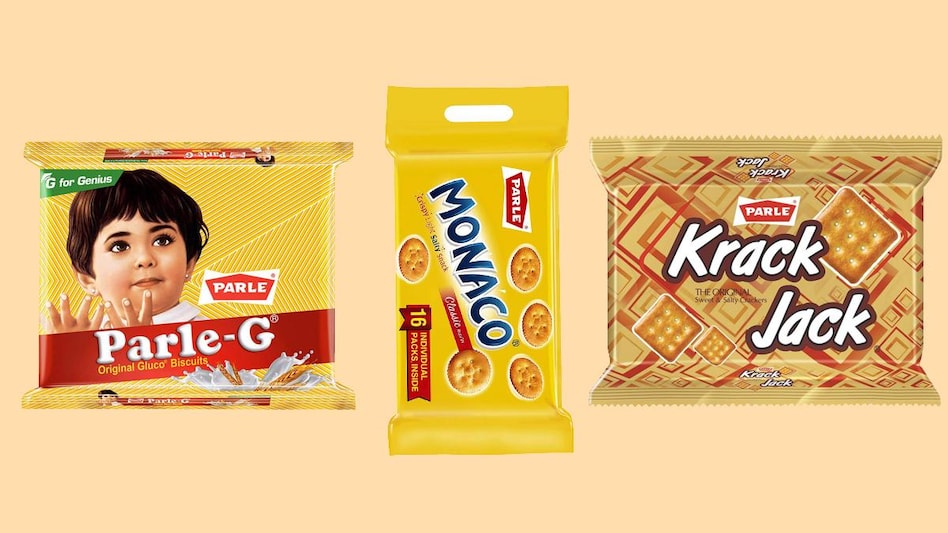
 Your Parle-G, Monaco, and KrackJack cookies will get cheaper soon
If steep rise in prices of daily essentials have been impacting your monthly budget for the past two years, you may finally expect some respite this year. As prices of agri-commodities are softening, daily consumed packaged foods like biscuits are expected to become affordable again, according to top executive from the industry.
According to Mayank Shah, Senior Category Head at biscuits majors Parle Products, after repeated price hikes in the past two years a round of price cuts on daily consumer packaged goods like biscuits is now in the horizon. Parle Products manufactures and markets some of the most popular brands of biscuits and confectionaries like Parle-G, KrackJack, Moncao, Hide & Seek, Melody and Mango Bite, among others.

 Market crash: Why stock portfolios are bleeding; will selloff deepen? | BT Explainer
 Jio Platforms IPO: Retail portion fully booked; issue subscribed 3.5x on Day 2
 eMudhra shares plunge 14%, take three-day fall to 34%; here's why
 SpaceX's AI push: Elon Musk-led company offers 20% pay rise if employees relocate to Memphis or Southaven. Details here
 Jio Platforms IPO: What retail investors should know before the October 23 closing date
 Elon Musk’s $3.5 Trillion Merger Plan: How Tesla–SpaceX Tie-Up Could Reshape AI And Space
 PROMO | 23rd Edition Of Business Today’s Most Powerful Women Awards 2026: Celebrating India’s Women Leaders
 Chennai Floods Again! Why Does Tamil Nadu Face The Same Monsoon Crisis Every Year?
 India’s Biggest IPO Is Here! Why Investors Are Betting Big On Jio
 IMF Warns Tokenisation Could Amplify Financial Risks
 360 ONE WAM shares rise as UBS acquires 4.8% stake through warrant conversionMarket crash: Why stock portfolios are bleeding; will selloff deepen? | BT Explainer
 Indian Hotels shares jump 6% after Q2 results, guidance; here are target prices
  Jio Platforms IPO: Applying in two categories? Avoid these mistakesJio Platforms IPO: Retail portion fully booked; issue subscribed 3.5x on Day 2
 ‘70% is from data centres’: HFCL MD Mahendra Nahata on fibre optic cable demand boom
 Airbnb changes house rules for guests. Here’s what hosts can no longer ask you to doElon Musk’s $3.5 Trillion Merger Plan: How Tesla–SpaceX Tie-Up Could Reshape AI And Space360 ONE WAM shares rise as UBS acquires 4.8% stake through warrant conversion
 From compromised certificates to malicious software: Inside October’s cybersecurity alerts












