








 PC: ReutersPC: Reuters
The outbreak of Nipah virus, which has resulted in the death of ten people in Kerala, is also likely to have an adverse impact on India's fruit exports. The virus, which is released through bats' saliva, urine and excreta, typically spreads due to bats consuming fruits on trees.
Specifically, it is the Greater Indian Fruit Bat, found abundantly across South Asia, which carries the Nipah virus.
The Commerce Ministry has said it is monitoring the outbreak and will asses if the virus will bear implications for the country's fruit exports. "We are keeping an eye on the developments. If the situation persists, we may have to ask our agencies to do a formal assessment of whether this will hurt India's export potential," the Business Standard quoted a commerce minister official as saying.
Since these bats feed on any fruit they can find, there's a risk of exports of many fruits getting affected.
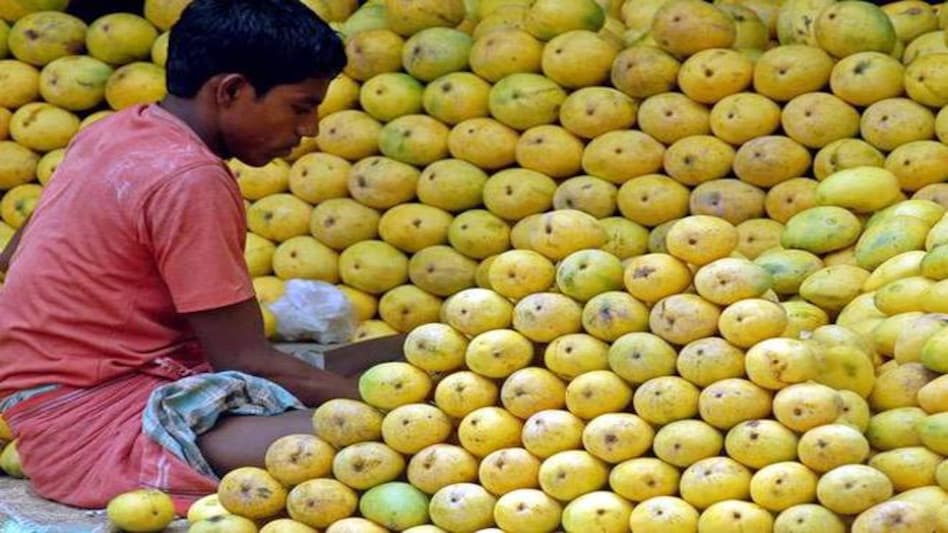
According to Agricultural & Processed Food Products Export Development Authority (APEDA), in 2016-17, India exported fruits worth of Rs 4,448.08 crore, out of which mangoes, walnuts, grapes, bananas and pomegranates accounted for most of it. To add to that, India is the largest producer of bananas (26.04%), papayas (44.51%) and mangoes (40.75%).
On Tuesday, Commerce Secretary Rita Teaotia said that India's mangoes export had reached 52,761 tonnes in 2016-17. According to APEDA, the major destinations of India's fruit and vegetable exports are UAE, Bangladesh, Malaysia, Netherland, Sri Lanka, Nepal, UK, Saudi Arabia, Pakistan and Qatar.
The deaths in Kerala is the third instance in India's history of a Nipah virus outbreak, the first two times being in West Bengal's Siliguri in 2001 and Nadia in 2007. This time around, the outbreak has been detected in the Southern state, where the first victims were three members of a family in Kozhikode, followed by a nurse who took care of the infected.
While medical professionals are in a rush to contain the virus, it must be noted that there's no cure as of now and the virus is contagious with 75%-100% fatality rate. The symptoms are almost identical to influenza, including fever and muscle ache and in some cases patients have brain inflammation as well.
In 1998, when the virus was discovered in the Malaysian village of Nipah, it claimed 105 lives. That time, the first infected were pigs that got the virus from fruit bats before transmitting it to pig farmers. According to the World Health Organization, the fruit bat is the natural host of the virus and often do not display any symptoms.
 ‘Absolutely no compromise on agriculture, dairy, sugar’: Piyush Goyal on India-US trade deal
 Exclusive: Adani Group to start coal gasification work this year, expand MRO operations, says Jeet Adani
 Kalyan Jewellers, Vaibhav Global, Thangamayil, Senco, PN Gadgil & Goldiam jump up to 15%; here's why
 Shipping Corp shares zoom 14% on Q3 earnings, dividend; check details
  Elon Musk shifts SpaceX focus to ‘self-growing’ Moon city over Mars colony
 India-U.S. Trade Deal Triggers Political Storm As Congress Says Trump Wins, Modi Loses On Farmers
 US Map On Trade Deal Shows Full J&K As India, Sending Sharp Signal To Pakistan And China
 “India’s Trade Policy Has Shifted Fundamentally After The US Deal,” Says Piyush Goyal
 Govt Scraps Small Car Concessions In Emission Norms; Maruti Seen Most Impacted
 Bhaijaan Meets Bhagwat: Salman’s RSS Appearance Triggers Political Firestorm
 Kalyan Jewellers, Vaibhav Global, Thangamayil, Senco, PN Gadgil & Goldiam jump up to 15%; here's whyShipping Corp shares zoom 14% on Q3 earnings, dividend; check details
  YES Bank shares snap two-day fall; analysts advise caution on near-term outlook
 Tata Steel shares hit record high on Q3 earnings; here's what brokerages say
  Suzlon Energy price target cut by 33%, order inflows at risk; here's why