


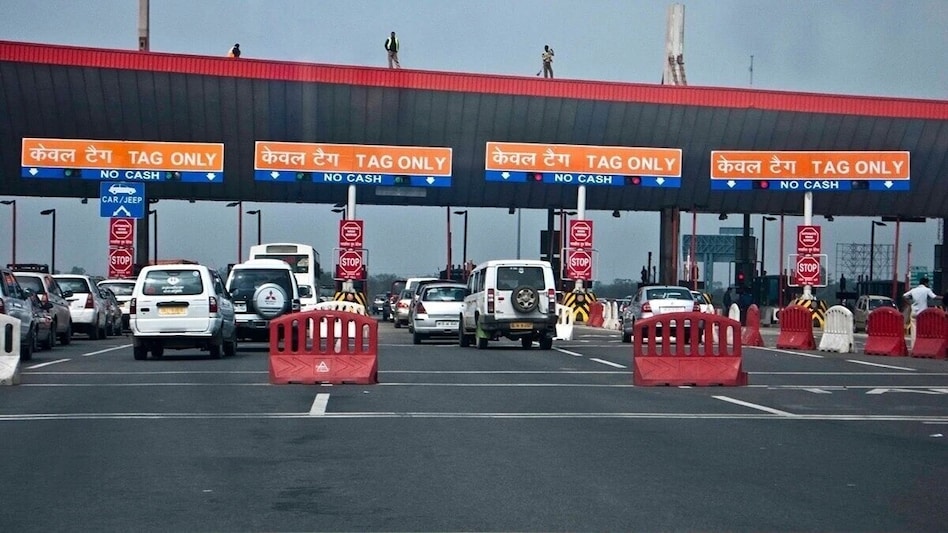
 FASTag penetration has crossed 98% in recent years, making it the dominant mode of toll payment.
The government is planning to discontinue cash payments at National Highway toll plazas nationwide from April 1, 2026, in a major push to create a fully digital tolling ecosystem. According to an official statement issued Friday, all toll transactions would be processed exclusively through electronic modes such as FASTag and Unified Payments Interface (UPI), if the proposal is implemented.
The National Highways Authority of India (NHAI) is currently evaluating the transition as part of a broader strategy to enhance operational efficiency, improve traffic flow, and modernise highway infrastructure through technology-led solutions. Officials said the move is intended to consolidate gains made under the Electronic Toll Collection programme, which has already transformed tolling operations across the country.
FASTag penetration has crossed 98% in recent years, making it the dominant mode of toll payment. The RFID-based system enables automatic deduction of toll charges without requiring vehicles to stop, allowing seamless movement across plazas. In parallel, UPI payment facilities have been introduced at toll booths, offering commuters an instant digital payment alternative.
Under existing National Highway fee rules, vehicles without a functional FASTag that pay in cash are charged double the applicable toll fee. By contrast, commuters opting for UPI payments are charged 1.25 times the base user fee. Authorities say such pricing measures have already helped reduce reliance on cash transactions and encouraged digital adoption.
Eliminating cash transactions entirely is expected to streamline traffic management, minimise delays, and bring greater consistency and transparency to toll collection.
If rolled out, the policy would apply to more than 1,150 toll plazas operating across National Highways and expressways nationwide. Officials believe the shift will significantly improve commuter experience while strengthening the reliability of toll operations.
The proposal aligns with the government’s broader push toward digital infrastructure and contactless services in transport systems. Policymakers argue that a fully digital tolling network will not only reduce operational friction but also support real-time monitoring, data-driven traffic management, and better enforcement.
A final decision on implementation is expected closer to the proposed deadline, after consultations and system readiness assessments. If approved, India would join a growing list of countries moving toward cashless highway tolling as part of next-generation mobility infrastructure.

 Exam reforms: Tech titan Nandan Nilekani picked by PM Modi to fix national public examination system
  'Tax officers struggled for own land': Nirmala Sitharaman slams laidback attitude of govt depts
 CBDT issues new crypto reporting guidance: No new tax, but exchanges must track and report all transactions
 Did Cockroach Janta Party's 'Chalo Sansad' 2.0 threat trigger Dharmendra Pradhan's resignation? What we know so far
 'Will discharge my responsibilities with complete humility': Pralhad Joshi after being appointed Education Minister
 AI Data Centers, Aerospace & Gas Turbines: What's Powering Indo-MIM's Future Growth?
 Best Healthcare Stocks: Gaurang Shah's Outlook On Apollo Hospitals, Fortis & The Manipal Health IPO
 Is Indo-MIM's IPO Valuation Justified? Here's Why The Company Sees Strong Growth Ahead
 Treasury Bills Explained: Why T-Bills Are One Of The Safest Short-Term Investment Options
 FDs vs Markets: Where Should You Keep Your Short-Term Money?
 Gland Pharma stock: Price target of Rs 3,250 likely in medium term, says analyst
  Metal recycling stocks to buy: Gravita, Pondy Oxides, Jain Resource among top picks
 TRIL shares: Should you average the falling stock? Here's 'fixed and final' stop loss
 Adani Power: 45 GW target, Rs 2 lakh crore capex plan among conference call highlights
  ITC Hotels, Chalet, Ventive, IHCL, SAMHI: Hotel stocks to buy despite travel disruptions
 Beyond mutual funds: Why analysts see SBI Funds' alternative asset business as a long-term growth engine
 'Ashamed of it...': Manoj Muntashir calls Adipurush his biggest mistake, seeks country's forgiveness Exam reforms: Tech titan Nandan Nilekani picked by PM Modi to fix national public examination system 'Tax officers struggled for own land': Nirmala Sitharaman slams laidback attitude of govt depts
 Delhi targets traffic bottlenecks on Aruna Asaf Ali Marg with ₹1.97 crore elevated road study









