


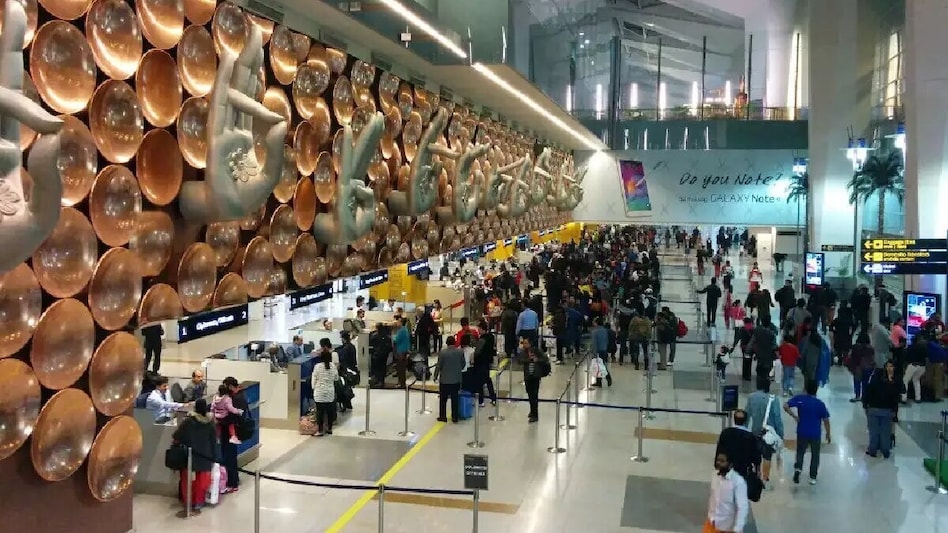
 User fee hike at Delhi, Mumbai airports could see a hike of up to 22 times
Passengers travelling through Delhi and Mumbai airports reportedly may soon be required to pay substantially higher user charges, following a recent order by the Telecom Disputes Settlement and Appellate Tribunal (TDSAT). This change, which could see fees jump by up to 22 times, stems from a redefinition of tariff calculation methods for the period between the 2008-09 and 2013-14 financial years.
According to a report in The Economic Times, the resulting under-recovery during this period means the two airport operators are now owed more than Rs 50,000 crore, with the shortfall to be recovered through increased fees levied on passengers, landing, and parking charges. The development is expected to make air travel more expensive and may hamper future passenger growth at India’s two busiest airports.

 How Indian investment overseas is gathering momentum
 10-year jail, ₹50 lakh fine: Lok Sabha approves anti-paper leak bill; key details inside
 ITR filing 2026: Confused by the 'reason for filing ITR' question? Here's what taxpayers need to know
 'Hindu daughters not entitled if...': Madras HC's key ruling on ancestral property rights
 The world is now opting for ‘human responsive cities’ over smart cities; here’s what it means
 Why Are Markets Rallying? Ajay Bagga Explains | Fed, Oil Prices & FII Flows
 Strong Q1 Helps Paradeep Phos Clock 17.3 Cr Shares In Trade
 Mumbai Elite Clubs Face FDA Action | Food Licences Suspended Over Hygiene Violations
 10 Tax Jargons Every First-Time Taxpayer Must Know | Tax Guide | Personal Finance | Money Today
 FIFA's $4.2 Billion Gamble: Infantino, Trump And The Battle Over Football's Future
 Dabur India Q1 results: Profit up 15% at Rs 591 crore YoY; revenue climbs 11%
 FIIs could return to market in six months, says Ajay Bagga
  Sensex, Nifty climb over 1% each; investors add Rs 4 lakh crore in wealth
 Banks, IT, defence, power stocks likely to lead FY27 earnings upgrades, says Ajay Bagga
 Vedanta Oil and Gas Q1 earnings: Net profit at Rs 945 crore, revenue rises 9% Why Are Markets Rallying? Ajay Bagga Explains | Fed, Oil Prices & FII FlowsStrong Q1 Helps Paradeep Phos Clock 17.3 Cr Shares In TradeMumbai Elite Clubs Face FDA Action | Food Licences Suspended Over Hygiene Violations
 Alpine Texworld Shares Hit Lower Circuit For 7th Straight Day Since Market Debut
  What's Fueling The Rally In Bluestone Jewellery?










