


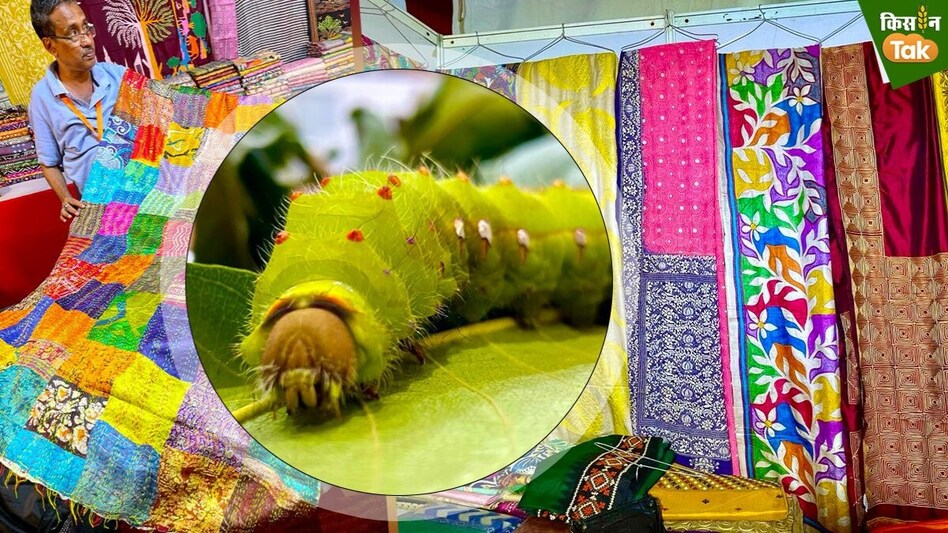
 The decision is aimed at protecting the livelihood of lakhs of traditional artisans who rely on weaving as their primary source of income.
The Group of Ministers (GoM) on GST rate rationalisation has recommended that the exemption on handloom products and raw silk should continue, providing relief to artisans and small weavers across the country.
The GoM has advised maintaining the status quo by keeping handloom items made by weavers at a nil GST rate, as opposed to the 5% levy that was originally considered.

 Why can’t India just stop buying Russian crude oil? FM Nirmala Sitharaman explains
 More than a decade after entering India, Amazon is putting boots on the ground to tackle counterfeits.
 No petrol, diesel price hike proposal yet; govt may support OMCs if crude stays high
 Who is Amogh Kaloti, the Maharashtra official whose order became key to Tata Sons battle
 Why the principal secretary to the Prime Minister feels India can't be complacent despite strong economic fundamentals
 India Growth Outlook Gets Major Boost: S&P, Fitch, ADB Raise FY27 Forecasts; OECD Upgrades 2026 View
 A-One Steels IPO Explained: Key Details, Growth Strategy & Future Outlook | Management Live
 Market Commentary: Nifty Outlook, Stocks & Market Strategy | Deven Choksey
 Ignore Large Caps? Why Investors Are Chasing High P/E Mid Cap Stocks Now
 30 IPOs In A Month: Deven Choksey On IPO Flipping And Secondary Market Liquidity
 RBI to conduct OMO sale of Rs 25,000 crore in government bonds on September 28
 NSE shares: Deven Choksey lists reasons for long-term investment; calls stock 'shock absorber' in volatile markets
 Crude oil prices fall for sixth session; PL Capital explains what could happen next
 Mazagon Dock, GRSE shares: Does short-term bounce signal trend reversal? Analyst decodes
 35% up from 52-week low! Motilal Oswal sees more steam left in this renewable energy player
 Banking Health At Multi-Decade High: SBI Chief CS Setty Outlines India's Global Pivot
 Yogi Adityanath Highlights ₹5 Lakh Social Security For Bharat Taxi Drivers
 Motilal Oswal Sees 55% Upside In Defence Multibagger Stock Solar Industries. Check Details
 Unboxing The iPhone 18 Pro Max - Silver colour | Business Today
 India ranks 18th in global lithium-ion battery supply chain: Where it stands and what needs to improve












