


 India’s imports to the UK were just $25.12 billion
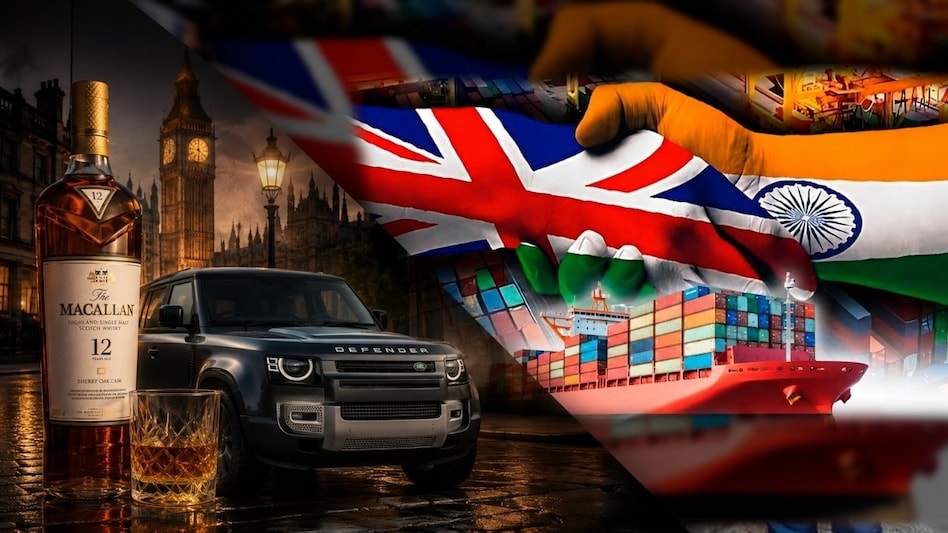
 The UK-India free trade agreement, which came into effect on July 15, is expected to lead to significant gains for consumers looking to buy premium food items, drinks, and automobiles as well as exporters in several labour-intensive sectors like clothing, textiles, and footwear, as well as food products like grapes and where tariff rates are currently high as both countries eliminate tariffs on a range of products.
For Indian consumers, India has cut tariffs on several goods imported from the UK, including not only automobiles and alcohol but also food items such as salmon, lamb, chocolate, soft drinks, and cosmetics. The tariff rates will be cut over a period of time and will be based on sector-specific quotas to ensure the domestic industry continues to be protected.
Must Watch: India’s Commerce Secretary: UK Deal Fastest, Exporters Gain Major Advantage
For instance, in the case of alcoholic beverages such as cider, mead, sake, brandy, bourbon, rum, gin, vodka, liqueurs, and tequila, the tariff rate will fall to 110% in Year One from 150% and gradually come down to 75% by Year 10 of the agreement.
The lower tariffs may also rub off on domestic producers who may lower prices to compete with foreign products. But the final pass-through of the lower tariffs will also depend on market forces and decisions by companies on how much of a price cut should be undertaken.
For India, there are more gains from the Comprehensive Trade and Economic Agreement (CETA) with the UK. While India has offered zero tariff on 64% of UK exports, which will gradually rise to 85% of goods, the UK has eliminated duties on 99% of Indian goods from Day 1.

 Jio Platforms IPO: Price band announced at Rs 1,065-1,119; set to become India's biggest public issue
 Jio Platforms files RHP for IPO of up to 27 crore shares; issue to open on October 21
 IDBI Bank stake sale is the largest FDI deal till date; Centre, LIC to continue to remain invested
 'My satellites have been hovering for 5 years, I'm ahead of Musk in the queue,' says Sunil Bharti Mittal
 Henley Passport Index 2026: Indian passport climbs to 84th rank, visa-free countries falls to 55
 IMC 2026: The Biggest Tech Innovations You Need To See!
 What Is A Specialized Investment Fund (SIF)? SIF Vs Mutual Funds Explained
 This Week In Cinema: Jailer 2, Ranabaali, Prahaar, Nayyi Navelli & Street Fighter Hit Theatres
 India Inflation Shock: WPI Hits 11.39%, CPI At 5.54% As Crude Oil Touches $107 A Barrel
 Cabinet Approves IDBI Bank Stake Sale to Fairfax: Is the Stock Still a Buy?
 LTCG tax rollback: What investors want from Budget 2027 and will the government deliver?Jio Platforms IPO: Price band announced at Rs 1,065-1,119; set to become India's biggest public issueJio Platforms files RHP for IPO of up to 27 crore shares; issue to open on October 21
 Tata Tech Q2 profit rises 4% to Rs 171 crore; revenue jumps 28%
 Hyundai Motor India to invest up to Rs 11,000 crore in Pune plant
  How a younger faculty is beginning to address the issue of brain drain
 The AI boom is hiding a bigger technology divide: Who profits as device sales fall?
 From 'Kashmir Saffron' to 'Mithila Makhana': 15 GI-tagged food ingredients for your festive kitchen
 Women at the family office table: Why participation does not equal investment power
 Financial Horoscope Today, October 15, 2026: Aquarius Should Focus on Budget, Know the Status of Other Signs












