


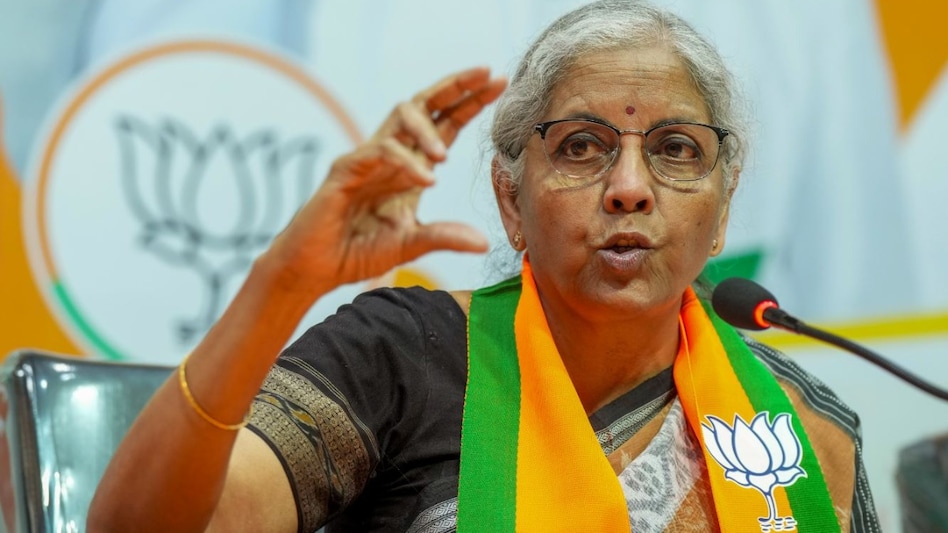
 FM Sitharaman said the IBC is a landmark reform, which introduced a legal unified framework for resolving issues of financially-stressed companies.
Union Finance Minister Nirmala Sitharaman on Thursday said the Insolvency and Bankruptcy Code, which was introduced by PM Narendra Modi-led Government in 2016, played a key role in helping banks recover from the NPA crisis created by the Congress-led United Progressive Alliance (UPA) government during their regime through ‘phone banking’ and indiscriminate lending.
She criticised the Congress-led government at the Centre for ignoring corporate distress and said corporate distress proceedings were governed by a patchwork of legislations, which worsened rather than resolving issues.

 BT BIG STORY | No jobs, no security: The crisis facing India's educated youth
 Jio Platforms IPO: Should you apply? Check ratings from 20 brokerages, latest GMP and key details
 'Pretty close': After Rubio, Donald Trump says India-US trade deal is in sight
 RIL shares rise over 2%: Two triggers behind the Mukesh Ambani-led firm's rally today
  ‘Not targeted at India…’: Marco Rubio says US is simply trying to fix its tariff and visa systems
 Apple's New Smart Home Devices: HomeView, Apple TV 4K & HomePod mini 2 | Tech Today
 Starlink Vs India: Is Elon Musk Being Blocked? | Tech Today
 RBI Measures Boost Rupee | Is Further Depreciation Unlikely?
 More RBI Rate Hikes Ahead? PPFAS Mutual Fund CIO Shares His Outlook
 Retirement Planning: How a ₹10,000 Monthly SIP Can Grow to ₹1 Crore in 20 Years
 HD Fire IPO shares listing today: Check latest GMP before stock market debut
 Jio Platforms IPO: Issue subscribed 57% in pre-IPO window, NSE data shows; check latest GMP
  Paras Healthcare IPO opens today: Should you subscribe? Check reviews, ratings, fresh GMP & detailsRIL shares rise over 2%: Two triggers behind the Mukesh Ambani-led firm's rally today Jio Platforms IPO: Should you apply? Check ratings from 20 brokerages, latest GMP and key details
 Delhi AQI today: National capital records first ‘poor’ air quality of 2026 as smog blankets its skiesHD Fire IPO shares listing today: Check latest GMP before stock market debut
 Gold, silver prices on October 21: Check latest rates in Delhi, Mumbai, Kolkata, other citiesJio Platforms IPO: Issue subscribed 57% in pre-IPO window, NSE data shows; check latest GMP Paras Healthcare IPO opens today: Should you subscribe? Check reviews, ratings, fresh GMP & details












