


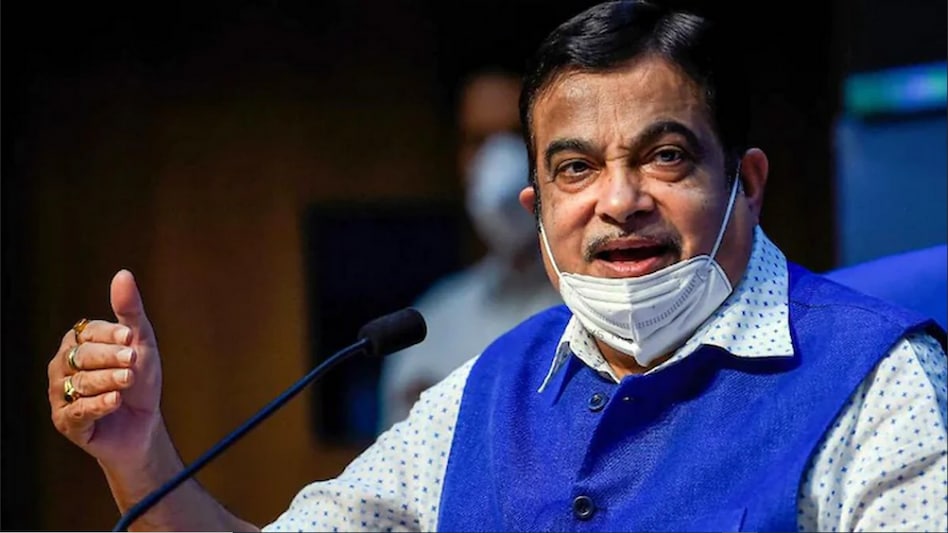
 Union Road Transport and Highways Minister Nitin Gadkari
Union Road Transport and Highways Minister Nitin Gadkari has reignited an old debate of using foreign exchange reserves for infrastructure financing. Gadkari has suggested formulating a policy for using a part of the $620 billion foreign exchange reserves of the Reserve Bank of India (RBI). “We have a surplus of dollar reserves in the country," said Gadkari, who is also planning to meet RBI Governor Shaktikanta Das. But Gadkari's idea is unlikely to find favour with the Central Bank. Here's why?
Forex Reserves not sufficient to meet external shock

 3-day bank strike deferred after late-night talks between IBA and UFBU
 India's former top negotiator at WTO. Now he warns of risks in a full-fledged FTA with US
 Boeing detects software glitch in 737 MAX, working on permanent fix: Report
 Virat Kohli reaches 15,000 ODI runs, gets there 74 innings faster than Sachin Tendulkar
 India's China trade deficit may not tell the full story, FM Sitharaman explains why
 R Veeramani Case: Granite Tycoon Faces Widening POCSO Probe In Chennai
 Gen Z And Money: Why Young Investors Want Quick Returns Over Long-Term Wealth Creation
 How Is Alexa+ Different? Will It have Ads Even If You Pay? Exclusive Chat
 Demand Robust Across Segments | Production To Ramp Up, Exports To Expand: Vivek Srivatsa
 GST Council To Meet On October 7: Invoice Matching, ITC & UPI MDR Tax In Focus
 IPO rush: Four IPOs conclude today; check subscription status, other details of issues still open
 Meesho shares slip 7% as Nomura assigns 'reduce' call; here's what the brokerage says
  Sensex, Nifty extend losing streak to seventh week, longest since 2020: What's next?
 Suzlon in bear grip: Oversold signals emerge near 52-week low for the stock
  EIL shares jump 7% to hit record high; stock up nearly 62% in six months: What's driving the rise?
 BT Big Story: India wants to become a shipbuilding power. Can it match China, Japan & South Korea?
 Who is Nitin Gupta, JEE 2000 AIR 1 who left computer science to study mosquito brains
 Financial Horoscope Today, September 28, 2026: Pisces Will Increase Benefits, Know the Status of Other Signs
 From Elon Musk to Satya Nadella: America’s highest-paid CEOs in 2025 and how much they earned; check full list here
 'We are playing hockey, they are playing football': FM Sitharaman on China's trade barriers












