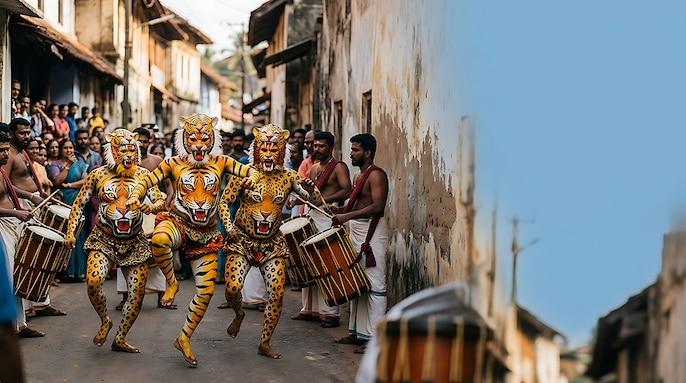
Tiger Transformation
Every year during Onam, Kerala’s streets witness a dramatic makeover as men transform into roaring tigers with black and yellow stripes. The Pulikali performers spend hours preparing their body paint, creating a visual spectacle where human bodies become a canvas of traditional art.
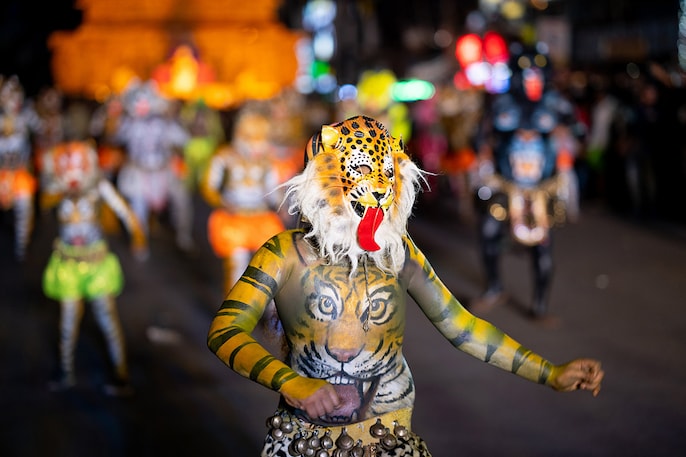
Ancient Roar
Pulikali is not just a colourful performance but a centuries-old cultural tradition with around 200 years of history. Linked to the royal era of Cochin, the tiger dance has evolved into a symbol of bravery, celebration and Kerala’s rich folk heritage during the Onam festivities.
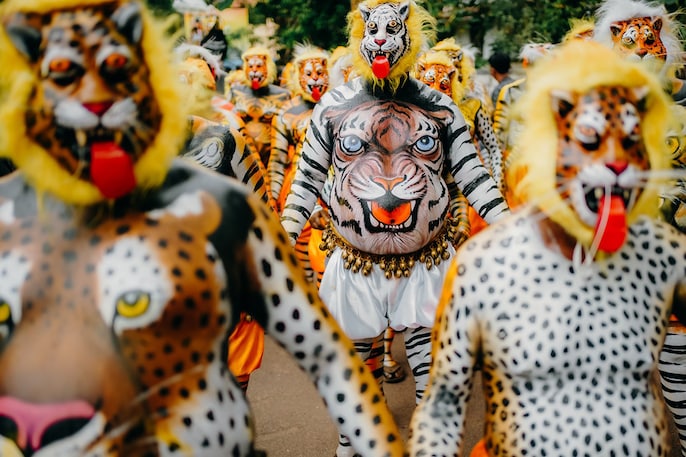
Painted Predators
The most fascinating part of Pulikali happens before the dance begins. Artists remove body hair and apply multiple layers of paint to create tiger-like patterns, with the complete transformation taking nearly 6-7 hours before performers step onto the streets.
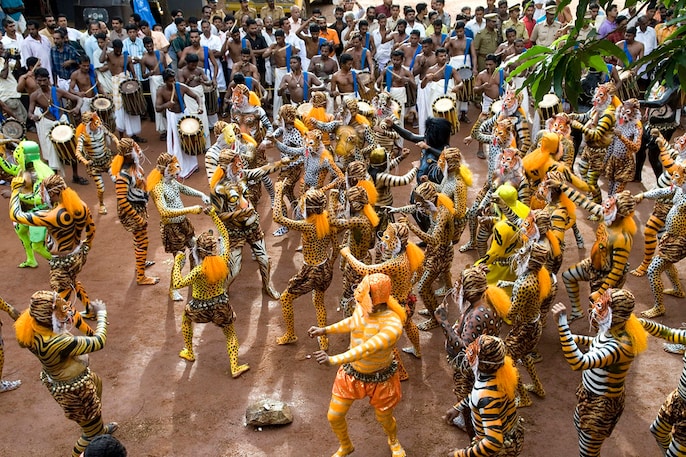
Drum Frenzy
The energy of Pulikali comes alive through powerful traditional rhythms. Performers dance to instruments like chenda, thakil, udukku and the famous Pulimelam rhythm, turning streets into a moving stage filled with beats, movement and festive excitement.
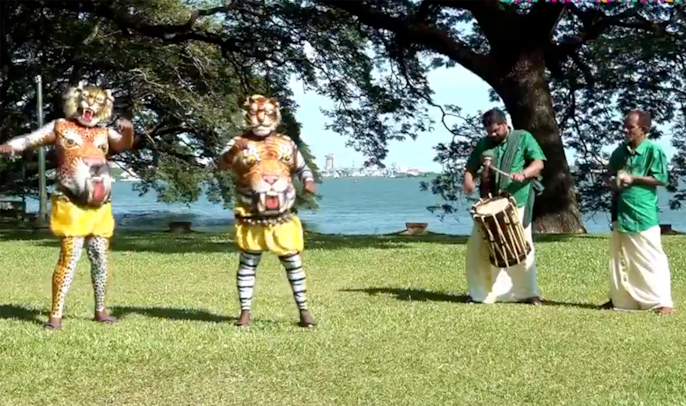
Onam Spectacle
Pulikali has become one of Kerala’s most recognisable Onam attractions, especially in Thrissur and Palakkad. With tiger costumes, loud drum beats and street performances, the folk dance offers a rare glimpse into Kerala’s traditional celebrations beyond the usual festivities.
 Macro Volatility Vs Earnings: Why Earnings Matter More Than Valuations | Anshul Saigal
 India’s CDMO Opportunity: Anshul Saigal Spots Underappreciated Names
 IT Stocks Under Pressure: What Next For Indian Markets? | Chakri Lokapriya
 Karnataka’s Welfare Schemes Under Pressure As Finance Department Flags New Challenges
 Family Disputes Can Hold Businesses Back: Nirmala Sitharaman’s Message To Family Firms