Speed Leap
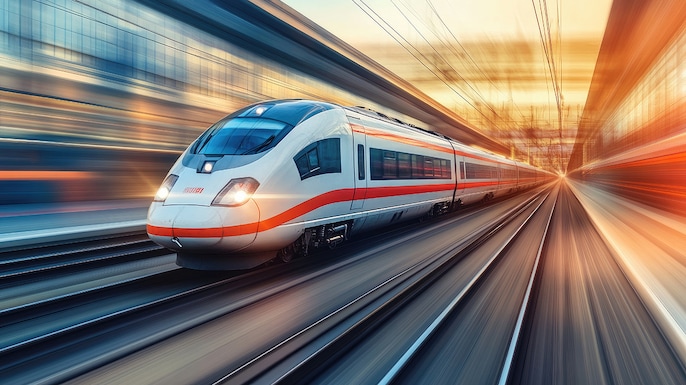
India is developing an indigenous high-speed train with a 350 kmph design speed, known as B35, with development targeted for 2030. The plan is part of India’s push to build its own high-speed rail technology. (Representative pics)
Japan Benchmark
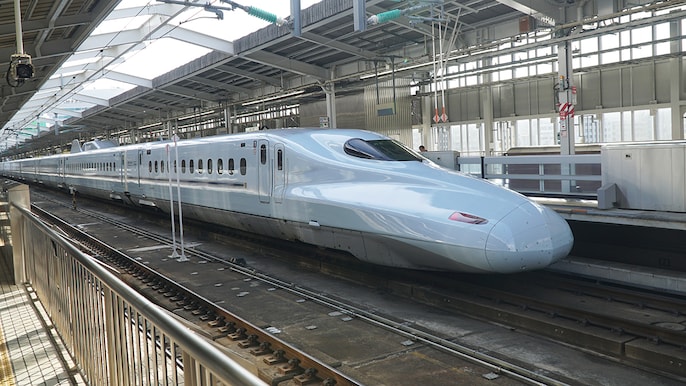
India’s B35 programme is emerging alongside Japan’s next-generation E10 Shinkansen. JR East says the E10 is scheduled to be completed from autumn 2027, followed by testing, with commercial operations targeted for FY2031 and a maximum commercial speed of 320 kmph.
B28 First
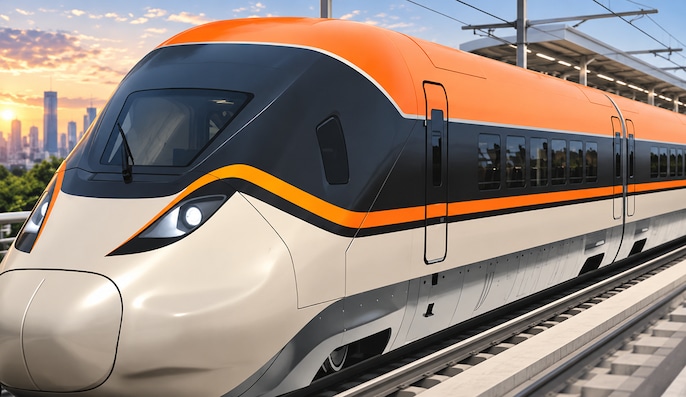
Before the 350 kmph B35, the Mumbai-Ahmedabad corridor will initially use B28 trains. These trains have a 280 kmph design speed and a maximum operating speed of 249 kmph. BEML has contracts to manufacture the trains, with two prototypes expected for trials in the first quarter of 2027.
₹2 Lakh Crore
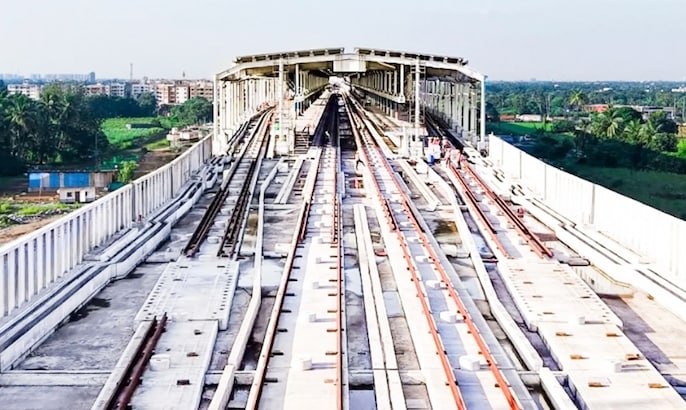
The revised Mumbai-Ahmedabad High-Speed Rail project cost has crossed ₹2 lakh crore, almost twice the original estimate. The Railway Ministry has cited higher land acquisition, infrastructure, train and signalling costs among the reasons for the increase. Land acquisition alone is now estimated at around ₹19,700 crore.
Homegrown Control
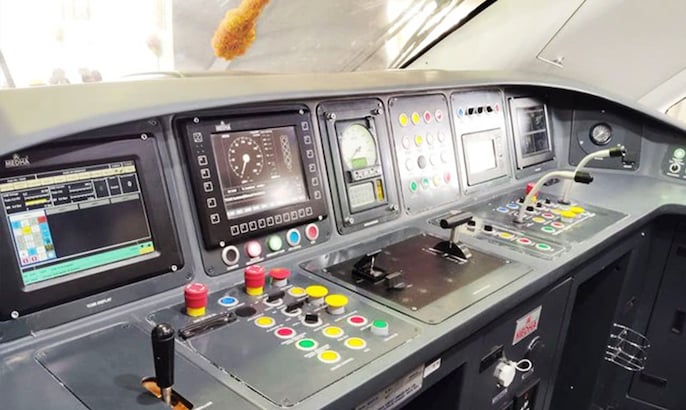
India is also developing the Bharat Train Control System (BTCS) as an indigenous train-control and signalling system for high-speed rail. The system is intended to help manage train speeds, spacing and safety, broadly serving functions similar to China's CTCS.
 Burqa Ban In Italy? Meloni Pushes New Rules On Face Coverings
 Tata Trusts-Tata Sons Row: Harish Salve Explains RBI Rules, Singhvi Flags Shareholder Rights
 Top Legal Eagles Flock To Tata Sons & Tata Trusts As Boardroom Clash Heads To Court
 Over Next Three Years Company Expects To Invest ₹15,000 Cr For Deepwater Exploration
 Tata Sons Listing Row: Shapoor Mistry Backs IPO As Noel Tata Pushes ₹25,000-Crore Plan