James Cameron doesn’t just make hits—he designs financial earthquakes. With three films already past the $1-billion mark and a fourth racing toward it, box-office trackers say his career has quietly become the most reliable money machine Hollywood has ever built.

When Titanic sailed past $2 billion, it wasn’t just a love story winning hearts—it was a new global box-office template. Trade analysts still cite it as the moment Hollywood realized overseas audiences could decide history.

Avatar wasn’t supposed to work, critics said. Instead, it became the highest-grossing film ever. Film economists argue Cameron cracked a rare formula: spectacle that translates across languages, cultures, and continents.

Thirteen years later, The Way of Water faced enormous doubt. Then it crossed $2.3 billion. Studio insiders say this shattered the myth that audiences won’t wait—and reset how franchises plan long-term releases.

The latest Avatar film hasn’t crossed $1 billion yet—but it’s climbing. Holiday legs, premium formats, and overseas markets could decide whether Cameron breaks a record no director has ever touched.
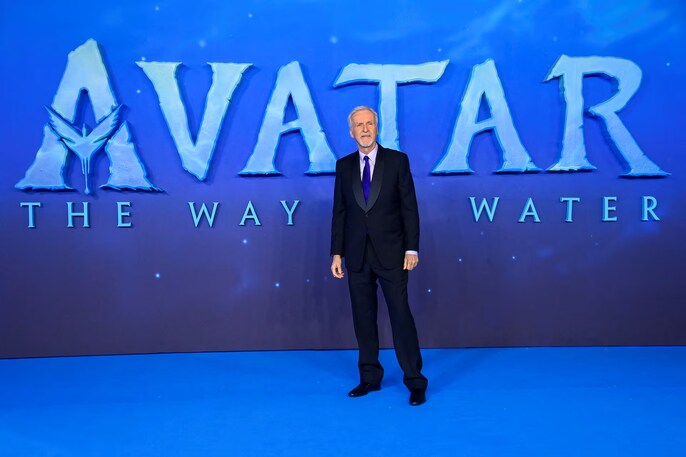
Cameron’s real strength isn’t North America—it’s the world. Box-office data shows his films routinely earn the majority of their revenue overseas, insulating them from domestic slowdowns.

Where delays doom most films, Cameron’s delays seem to add value. Industry analysts note his long gaps allow technology, formats, and audience appetite to mature—turning patience into profit.

From 3D revolutions to underwater motion capture, Cameron’s movies double as technological milestones. Film scholars argue this keeps his films re-release-ready, extending their earning lifespan.

If the current Avatar installment crosses $1 billion, James Cameron will become the first director ever with four consecutive billion-dollar films—not across a career, but back-to-back, without a miss.
 Festive Season Could Revive Credit Card Spending: Market Expert On SBI, ICICI, Kotak
 YouTube, Insta Earnings Are Not Tax-Free: What Freelancers & Content Creators Must Know About Tax
 What’s Hot: Stocks, Gold & Big Money Moves | Daily Markets Show | August 26 | Business Today TV
 Nifty Rally Gets A Boost From Falling Oil: Vaishali Parekh On What Comes Next
 IIT Delhi Protests Over Student Death As Students Demand Accountability And Independent Probe