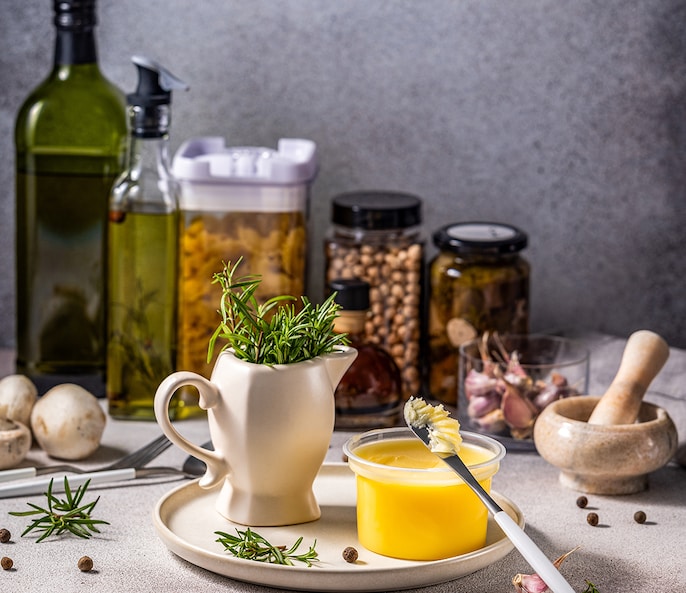
Science reveals that the same fats demonized for decades may secretly hold the key to shrinking your waistline—if you know when to drizzle olive oil and when to ladle ghee.
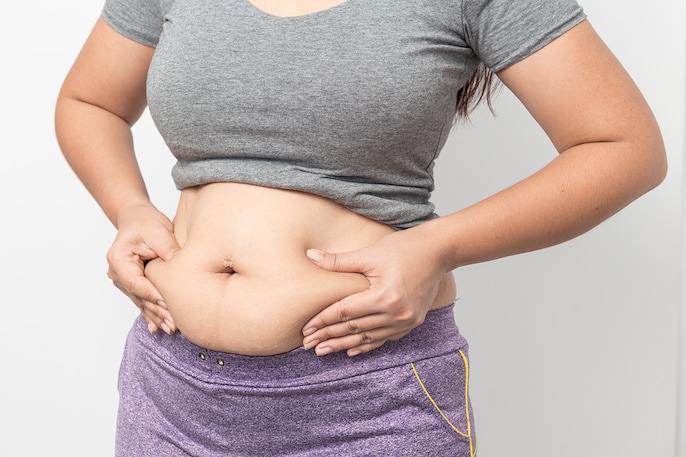
Researchers say monounsaturated fats in olive oil can switch on fat-burning hormones while calming inflammation, a hidden duo that directly chips away at stubborn abdominal fat.
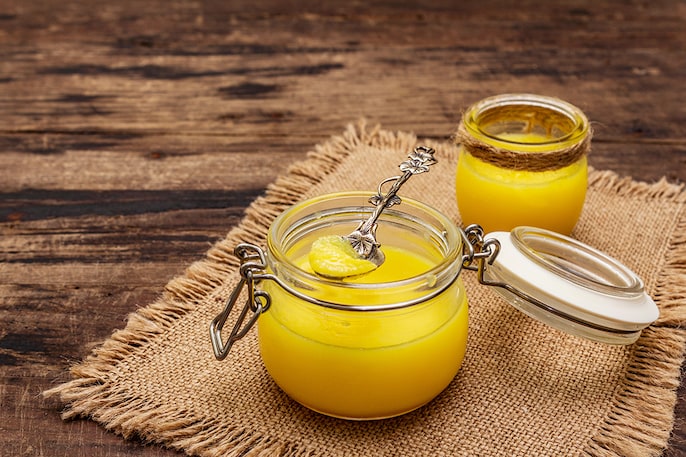
Ghee’s butyrate—a short-chain fatty acid rarely discussed—may act like fuel for gut bacteria, boosting digestion and appetite control in ways olive oil simply cannot match.
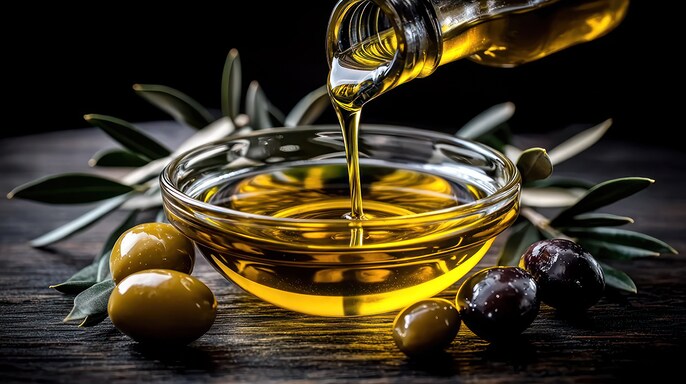
Forget olive oil in your sizzling tadka: ghee’s high smoke point makes it the undisputed champ for curries and frying, while olive oil rules raw salads and gentle sauté.
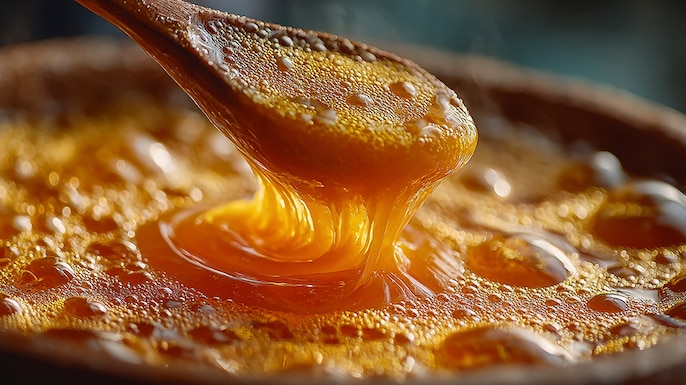
Ever wonder why olive oil leaves you fuller after a light drizzle? Studies confirm it triggers satiety hormones, nudging you to eat less without even realizing it.
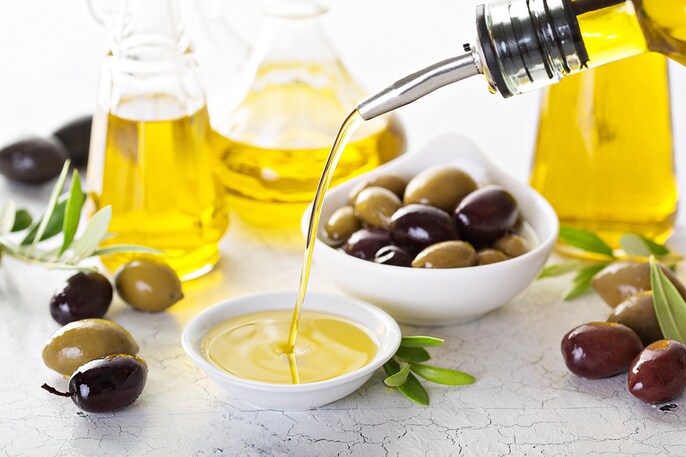
Desi ghee isn’t just fat—it’s a carrier for vitamins A, D, E, and K, essential nutrients that sneak past your gut only when dissolved in fat. Olive oil can’t match this vitamin package.
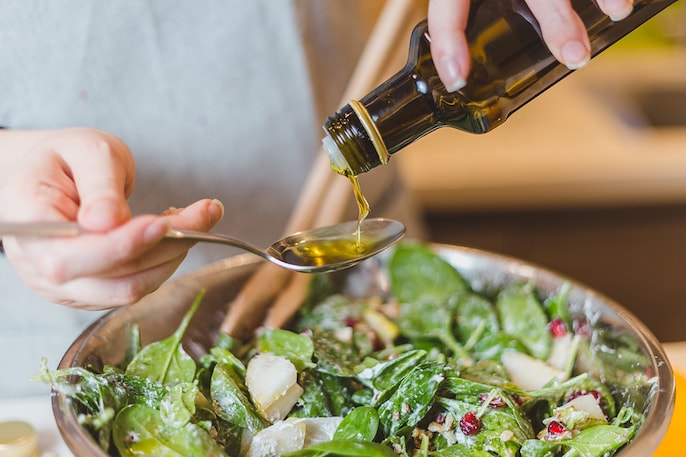
Both ghee and olive oil pack nearly identical calories per spoonful, yet their metabolic effects differ dramatically—proving not all calories are created equal.
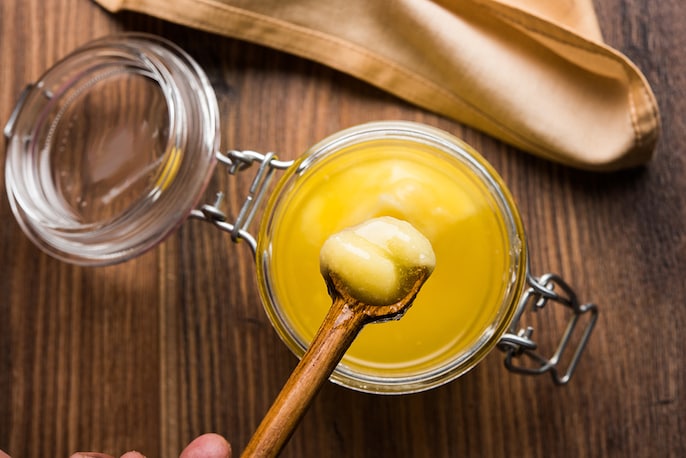
Grandmothers swear by ghee for “strength,” while modern nutritionists hail olive oil for “longevity.” The real winner? Possibly a smart balance of both on your plate.
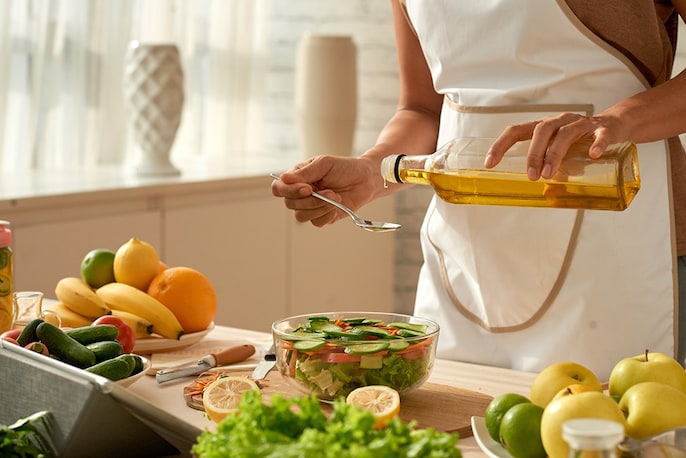
Experts suggest a clever compromise: ghee for cooking, olive oil for finishing. The result? A flavor-packed diet that supports metabolism, digestion, and belly-fat loss.
 Gold Price Target 2026: Expert Sees MCX Gold At ₹1.8 Lakh By Year-End Amid Strong Demand
 Health Insurance: Why Pre-Existing Diseases And Waiting Periods Matter For Buyers
 Crude Oil Above $100: How High Energy Prices And Rupee Weakness Impact Gold Prices In India
 CEA On India’s Manufacturing Rise, Atmanirbhar Bharat And Modi’s Economic Policy
 Health Insurance Buying Guide: 7 Things First-Time Buyers Must Check Before Choosing A Policy