
Some acts are so common that people stop thinking about the law behind them. But Indian statutes and rules xpressly restrict several everyday behaviours. The exact consequence can depend on the facts, exceptions and state-level amendments.
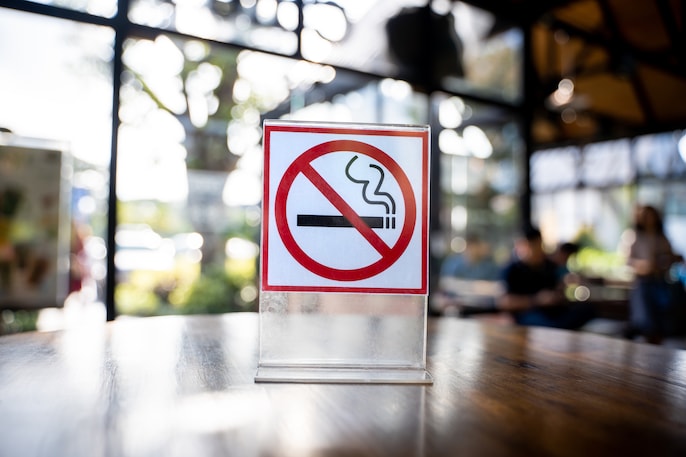
Section 4 of the central COTPA law says no person shall smoke in a public place, subject to specified smoking-area provisions for certain premises. Section 21 provides punishment for violating Section 4.
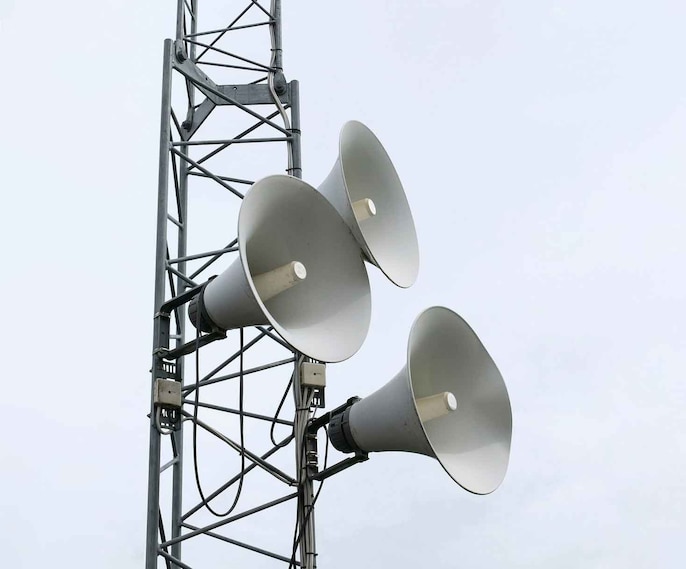
CPCB's Noise Rules say loudspeakers and public-address systems need written permission. Their use is generally barred from 10 pm to 6 am, with limited exceptions for closed premises and state-permitted festive occasions.
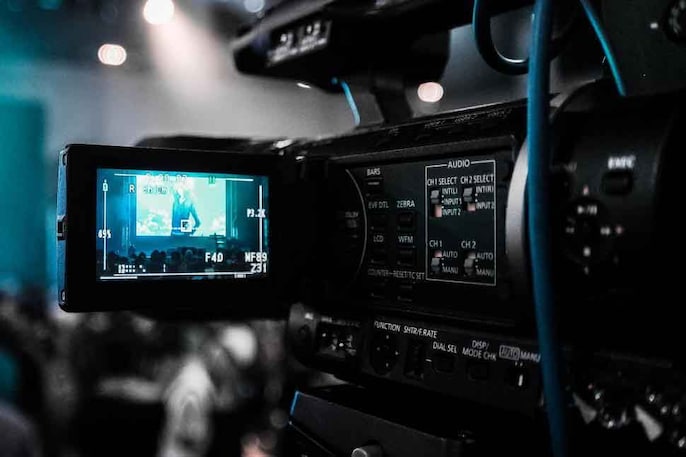
Section 6AA of the Cinematograph Act prohibits unauthorised recording in an exhibition facility when a device is used with the intention of making or transmitting an infringing copy. That intent requirement is important.
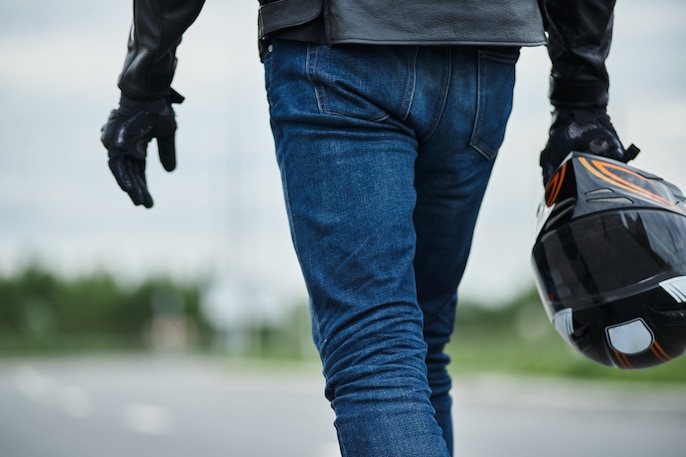
Section 129 of the Motor Vehicles Act generally requires people above four who drive, ride or are carried on a motorcycle in a public place to wear prescribed protective headgear, subject to statutory exceptions. Pillion riders are covered too.
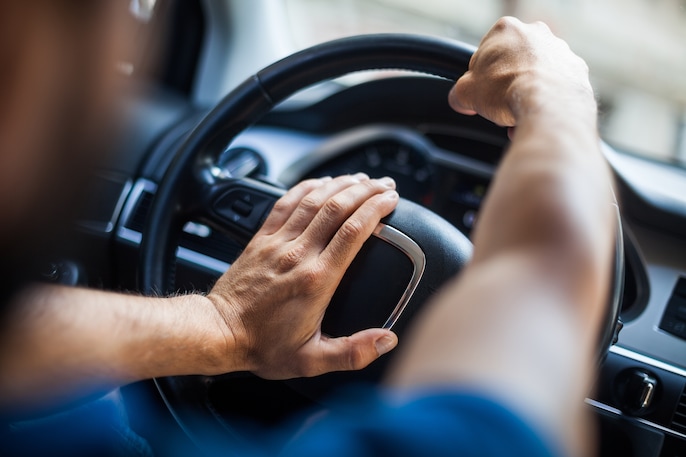
Section 194F covers sounding a horn needlessly, continuously or more than necessary for safety, as well as using a horn where a traffic sign prohibits it. Traffic frustration is not a legal licence to lean on the horn.

The IT Act punishes publishing or transmitting obscene and sexually explicit material electronically. Not every WhatsApp forward is illegal, but “I only forwarded it” is no blanket shield when content falls within Sections 67 or 67A.
 SEMICON India 2026: Global Chip Giants Announce Major India Investment Plans
 Ep17: How Mira Kapoor Is Building India’s Luxury Wellness Brand | Building A $4 Mn Wellness Business
 PROMO | 27 Years Of BT Golf | BT Golf 2026-27 Tees Off On 19 October 2026
 Supreme Court Questions High Medicine Prices At Corporate Hospitals | Essential Drugs Pricing
 India Seeks Alternate Air Routes Via China, Bhutan To Cut Airline Costs | Pakistan Airspace Ban