As Durandhar races toward the ₹1000-crore mark, trade trackers say the milestone has become more than a number—it’s a psychological barrier. Distributors call it a “momentum magnet,” where audience curiosity, media buzz, and national pride collide to create a final explosive surge.
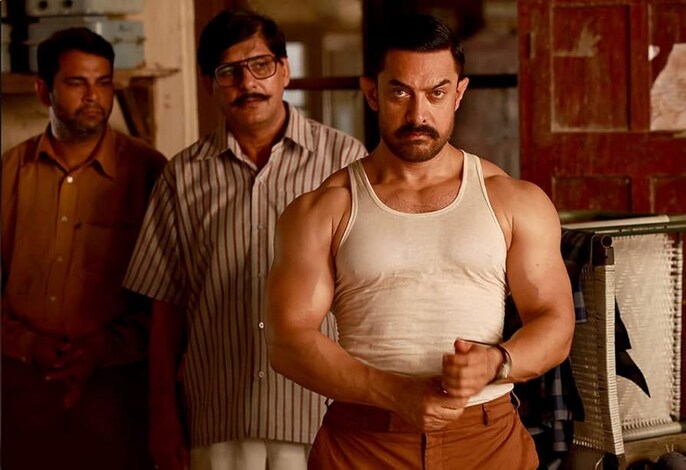
When Dangal bulldozed past ₹1000 crore and then ₹2000 crore, it didn’t just break records—it rewired expectations. Analysts still cite its China run as proof that emotional storytelling can outperform spectacle in global markets.
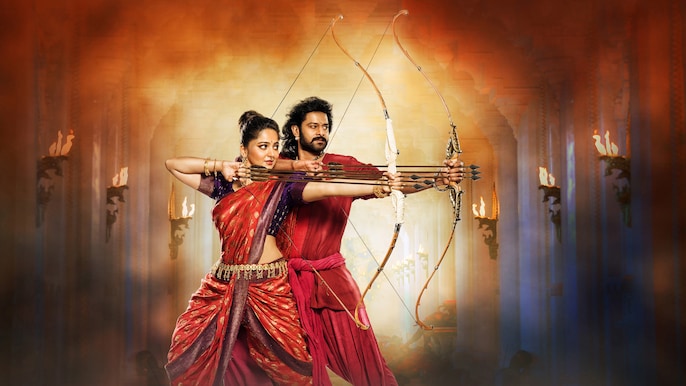
Baahubali 2: The Conclusion changed geography at the box office. Industry veterans say it erased the North-South divide overnight, proving language could be dubbed—but scale, myth, and ambition needed no translation.
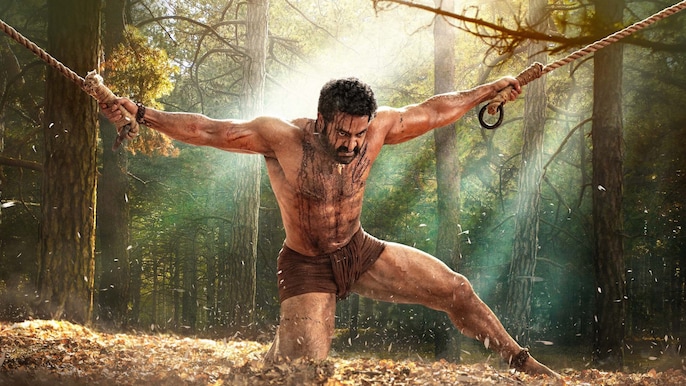
With RRR, SS Rajamouli didn’t just deliver another hit—he exported Indian mass cinema to global pop culture. Film scholars note how word-of-mouth, not marketing spend, powered its climb into the elite club.
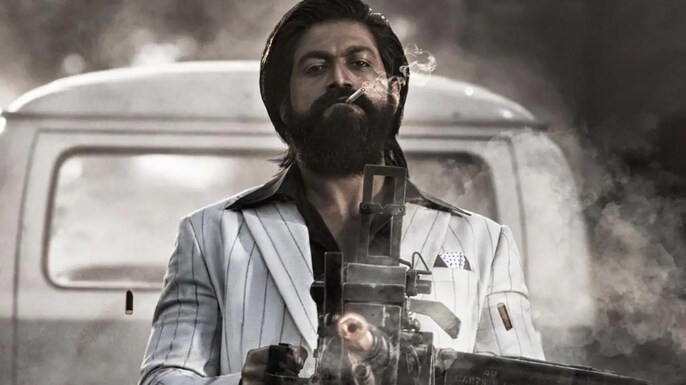
KGF: Chapter 2 arrived like an industrial blast. Trade experts credit its success to raw masculinity, thunderous music, and repeat viewing—turning regional loyalty into nationwide obsession almost overnight.

After years of uncertainty, Jawan roared back with Shah Rukh Khan in full mass-hero mode. Box-office observers say the film revived the single-screen audience, a segment many had written off.

With Pathaan, Shah Rukh Khan didn’t just return—he reactivated the Hindi action franchise economy. Analysts note how nationalism, nostalgia, and spectacle fused into a near-perfect commercial storm.
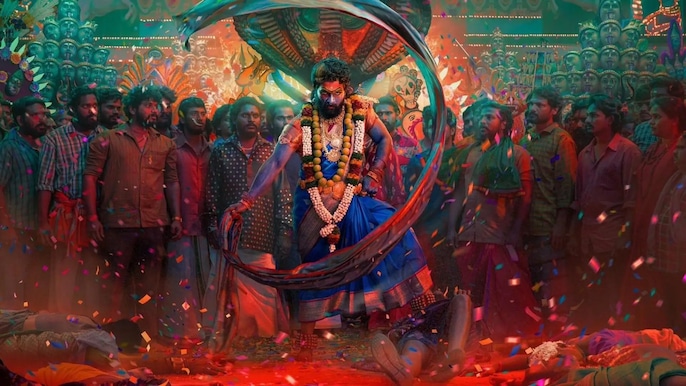
When Pushpa 2: The Rule stormed past ₹1000 crore in just six days, trade circles were stunned. Economists tracking cinema footfall called it a case study in pre-release hype converting instantly into ticket sales.

Kalki 2898 AD proved mythology and sci-fi could coexist at scale. Industry insiders say its success signals a future where Indian cinema no longer chooses between tradition and technology—it weaponizes both.
 U.S. May Tighten Child Passport Checks Under Trump, Indians And Birth Tourism Families Face Scrutiny
 Market Commentary | Deven Choksey On Buying Opportunities & Market Trends
 “India Is Certainly Not In Crisis”: Arvind Panagariya On Growth, Investment And Reforms
 Daily Calls: Ask Your STOCK MARKET TODAY QUERIES | Market Update | Share Market News Today
 What’s Hot: Stocks, Gold & Big Money Moves | Daily Markets Show | September 02 | Business Today