
Saying no to social events or favors when you’re drained isn’t selfish—it’s smart. Studies show it cuts stress and improves immunity by 30%, helping you stay healthier and happier.

Prioritize sleep over late nights for sharper brain function and a stronger body. Research shows that 7-9 hours of rest can boost mood, memory, and lower disease risk. Your future self will thank you.

Stick to healthy eating habits even when others don’t understand. Research proves solo meal prep boosts veggie intake, sharpens focus, and maintains a healthy weight, making it worth the ‘selfish’ choice.

Skipping a workout for proper rest might feel lazy, but it actually prevents injury and supports muscle growth. Studies show recovery can boost long-term fitness more than overtraining ever will.
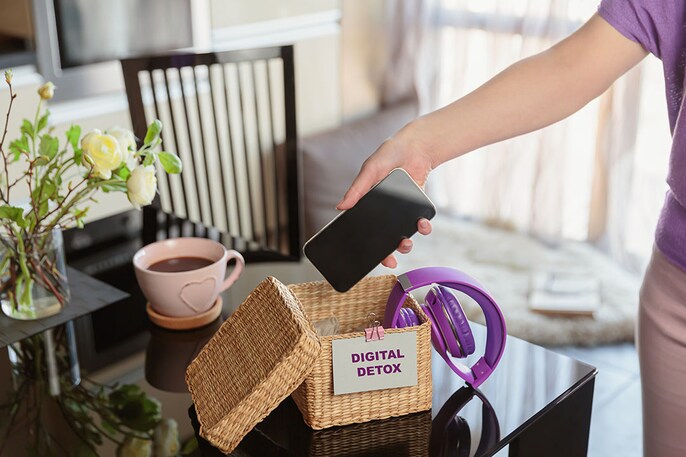
Constant phone notifications erode your focus and mental health. Research indicates a digital detox can reduce anxiety by 25%, restore attention spans, and improve your sleep and relationships.
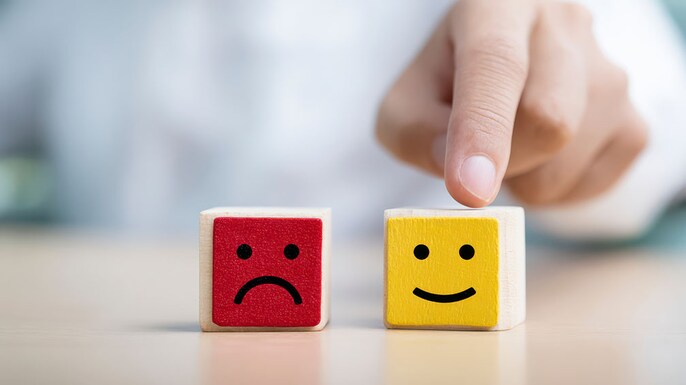
Saying “no” to toxic people isn’t rude—it’s essential for your mental health. Research shows distancing from negative influences reduces depression risk and builds emotional resilience.
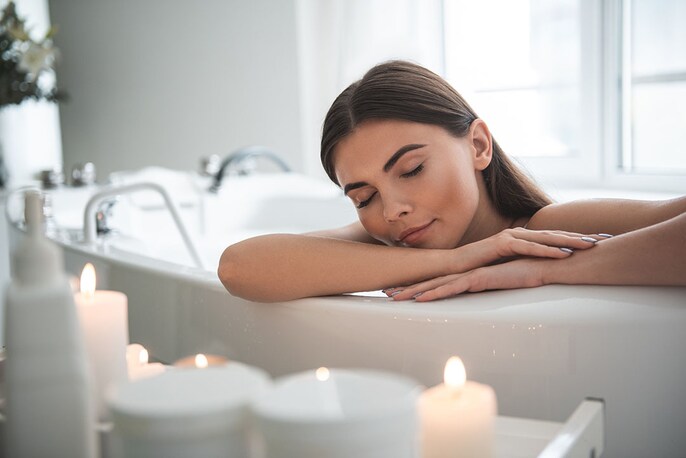
Taking time for personal downtime—like baths or journaling—reduces stress and boosts creativity. Studies show that 30 minutes a day of solo recharge can lower your overall stress levels and extend your life.

Creating boundaries during deep work sessions (like using “do not disturb”) can increase productivity and reduce anxiety. Research shows that this improves sleep, focus, and your relationships too.

Investing in your mental and physical health by embracing ‘selfish’ habits like personal space and sleep isn’t indulgence—it’s necessary. Scientific studies show these habits lead to longer, healthier lives.
 Freelancers & Content Creators: How To Plan Tax On Irregular Income? Expert Explains
 “Gen Z Is Not Anti-BJP”: Tejasvi Surya On Winning Young Voters And The BJP’s Youth Strategy
 Mid & Small Caps Rally: Why Strong Earnings Could Keep The Rally Going In 2026
 Content Creators: Are Free Products & Brand Gifts Taxable? GST & Income Tax Explain
 Xiaomi's Sub-Brand Mijia Launches New Air Purifiers In India