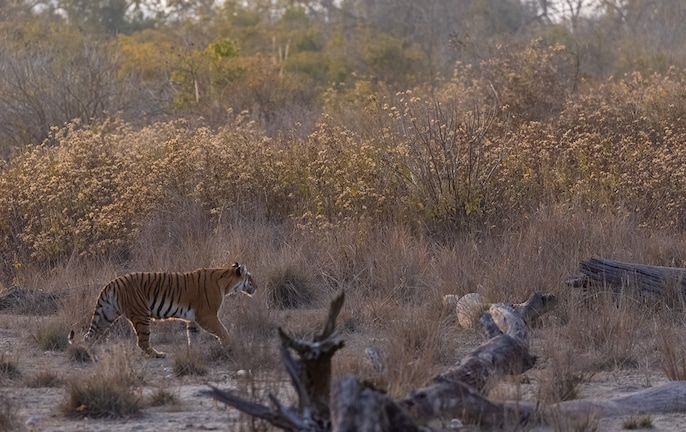
Before “eco-tourism” was even a word, Jim Corbett National Park became India’s first sanctuary of the wild. Mist-wrapped hills, river valleys, and roaring tigers blur the line between raw danger and quiet beauty.
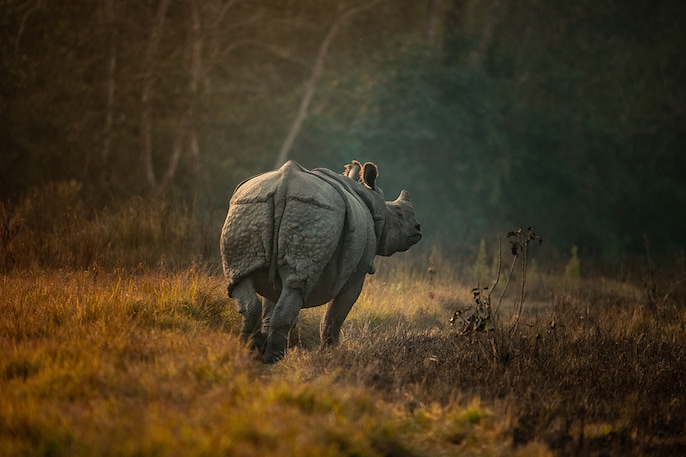
In Kaziranga, the ground trembles under the weight of the one-horned giants. Golden grasslands and shimmering wetlands hide a prehistoric elegance—where survival feels cinematic and silence feels ancient.

Ranthambore is where crumbling forts meet prowling shadows. Amid sandstone ruins and mirror-like lakes, the ghost of royalty lingers, watching tigers reclaim the empire humans once ruled.
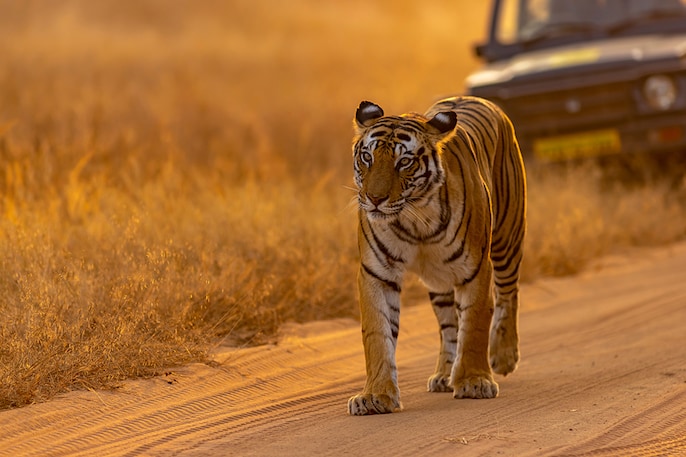
Every ridge and ravine in Bandhavgarh looks painted by hand—misty dawns, echoing valleys, and striped royalty. It’s less a forest, more a living museum of light, movement, and untamed poetry.
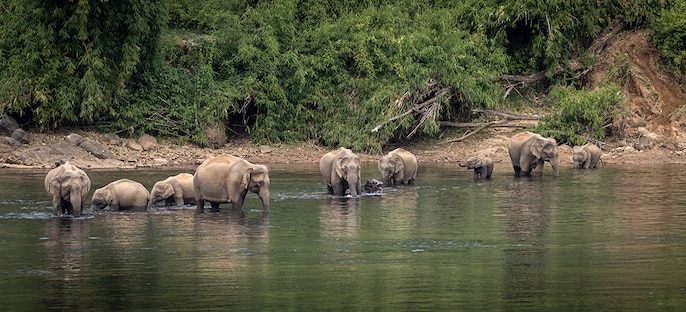
In Periyar, the air itself feels alive. Elephants emerge through veils of fog, and boat safaris glide past reflections of green infinity. This isn’t just nature—it’s a meditation in motion.
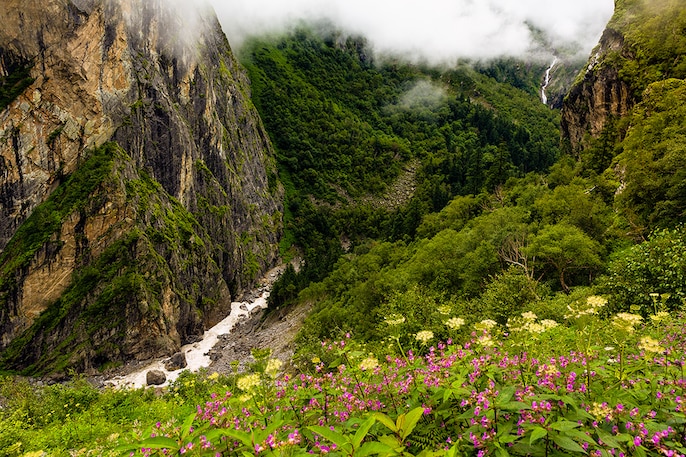
At the Valley of Flowers, color becomes religion. For a few brief months, alpine meadows explode in scarlet, indigo, and gold—proof that paradise doesn’t need permission to appear.
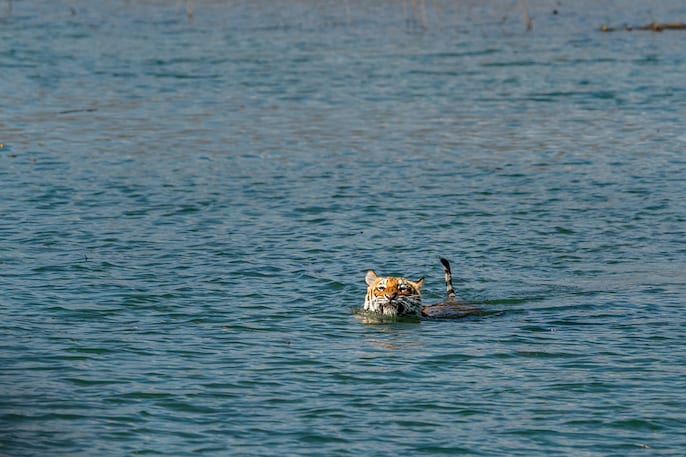
The Sundarbans breathe twice a day—once with the tide, once with the tiger. Mangrove roots twist like veins beneath a sky of salt and silence, where beauty and danger dance in rhythm.
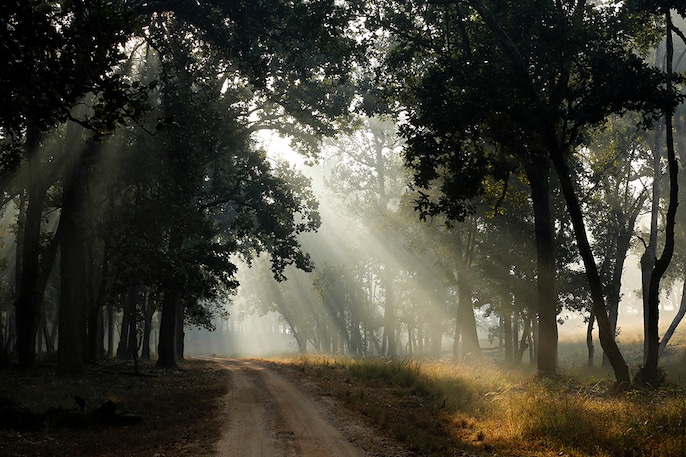
Kanha, the forest that inspired The Jungle Book, feels like myth made real. Streams whisper through sal trees, and every rustle could be Mowgli—or something far older watching you back.
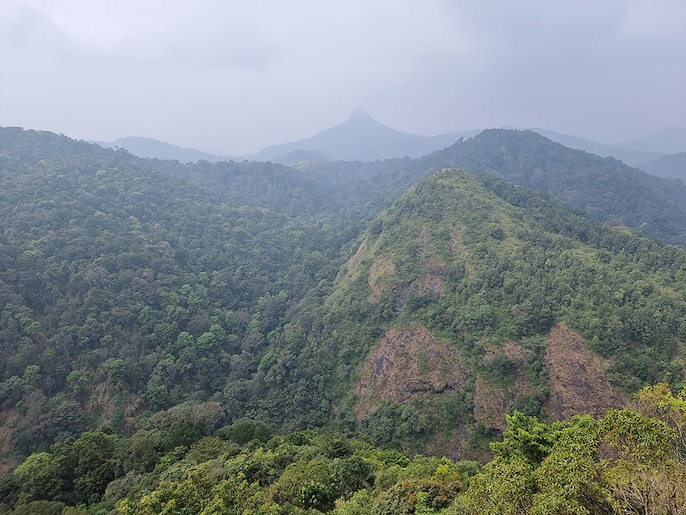
Hidden in Kerala’s folds, Silent Valley hums with the quietest kind of grandeur. Waterfalls sigh through rainforests older than history—a place where silence doesn’t mean stillness, but awe.
 “Files Used To Get Stuck”: PM Modi Takes Dig At Delays, Hails 2,800 Km Freight Corridor
 Indegene’s Growth Story: Global Expansion, AI & The Future Of Healthcare Tech
 Ambareesh Baliga Turns Bullish On Specialty Chemicals, Bets On Archean Chemicals & Vinati Organics
 Gold Loan Rise Faces Risk? Ambareesh Baliga Flags Correction Threat For NBFCs
 Hindustan Copper Set To Rise 10-12% From Current Market Price