Lalit Modi is wanted in India, but in London he lives on one of the world's most expensive streets. Lalit Modi's Belgravia postcode doesn't just say wealthy — it says untouchable.
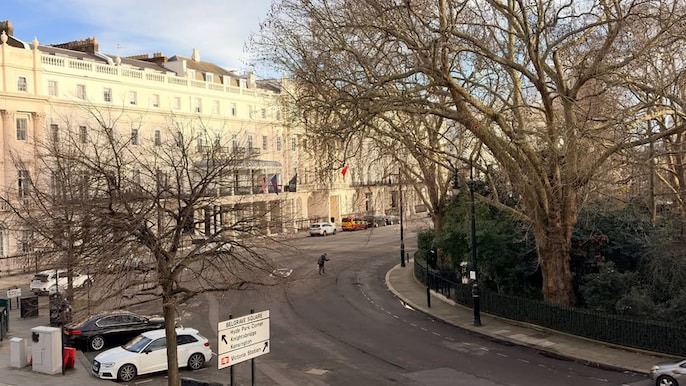
The property sits on Sloane Street in Belgravia, one of the most coveted — and expensive — postcodes in the entire British capital. Flanked by foreign embassies, flagship luxury boutiques, and generational townhouses, the neighbourhood is not merely wealthy — it is old-money wealthy, the kind of address that requires no further explanation. For a man who spent his career building spectacle, the choice of location is quietly, deliberately telling.
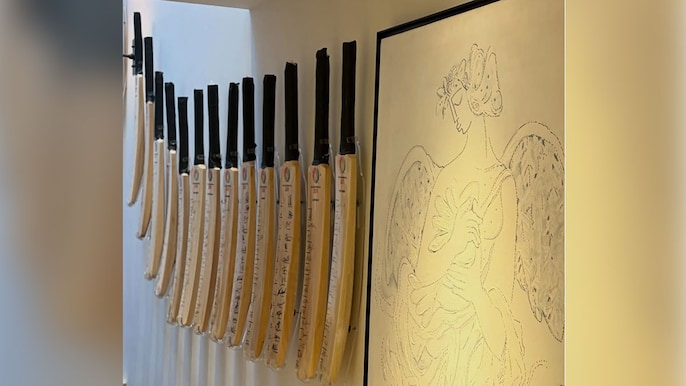
Forget the Oval. Forget Lord's. The most remarkable cricket museum in London might be inside a private Belgravia townhouse — and it belongs to the fugitive who built the IPL.

Framed jerseys. Mounted bats. Rare photographs. Modi didn't just build cricket's richest league — he kept every piece of it. His walls read like a sport's entire autobiography in glass and wood.
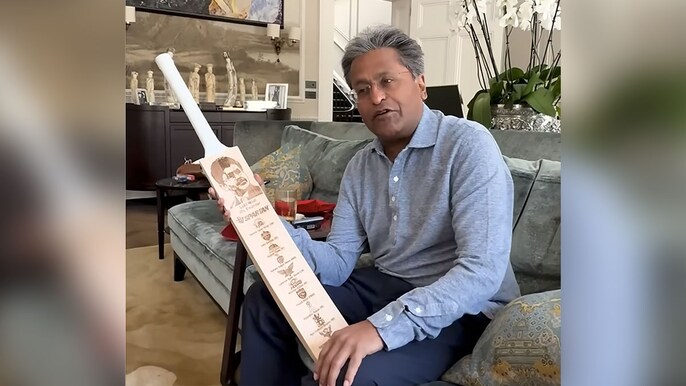
Eight bedrooms. Seven bathrooms. Four reception rooms. Two kitchens. One lift. According to GQ, Modi's London mansion isn't just big for central London — it's in a category entirely its own.
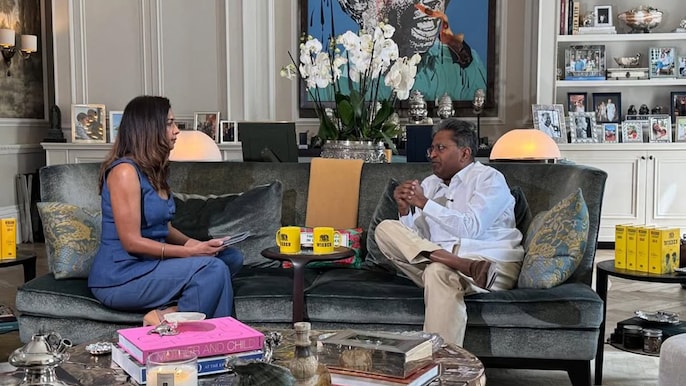
London's Belgravia never undersells itself. Property experts say a 7,000 sq ft mansion on Sloane Street today commands tens of millions of pounds — hundreds of crores by Indian valuation standards.
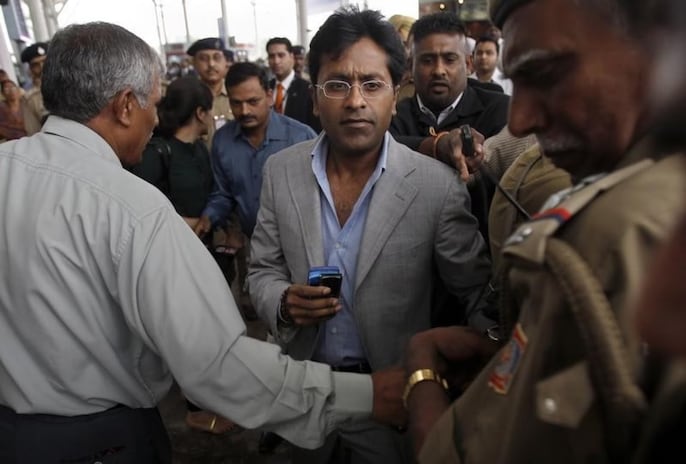
The IPL he founded is now worth billions. The man who built it watches from London exile. Modi's mansion is full of the sport's history — but the sport moved on without him.
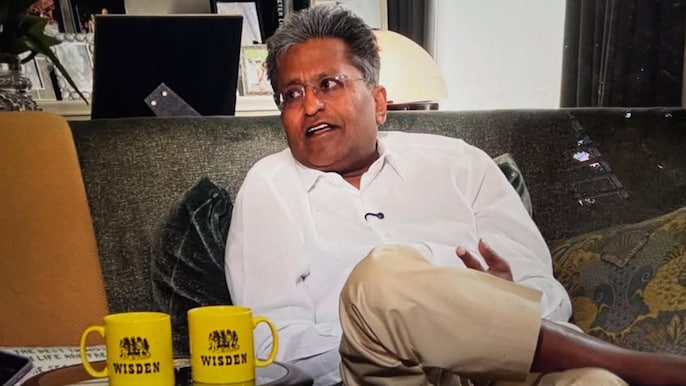
It took a Wisden Cricket interview, a Humans of Bombay appearance, and a sit-down with sports presenter Ridhima Pathak for the world to finally see inside. What they found was equal parts museum and mansion.
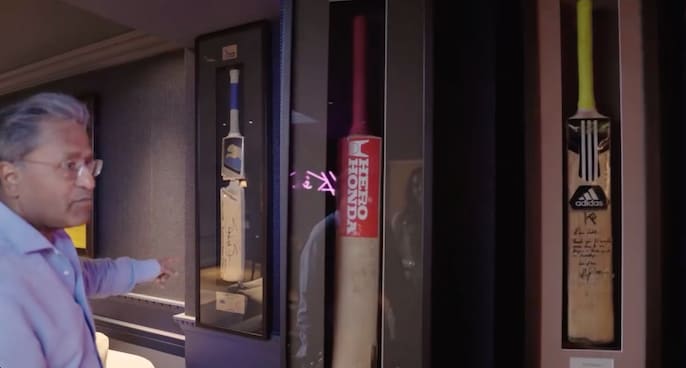
The jerseys are framed. The bats are mounted. The photographs are hung. Inside Modi's London home, the IPL's founding era is preserved in perfect, expensive silence — like a trophy no one can take away.
 Ashwini Vaishnaw Unveils Container-Based Fertilizer Transport For Faster Farmer Deliveries
 The AI Cost Illusion: Why AI Is Becoming More Expensive Than Ever | Hidden Cost Of AI
 Is India Prepared For An Oil Shock? Expert Explains Supply Risks Amid West Asia Conflict
 Why Coforge Could Outperform The Market Over The Next 12–24 Months | Rakesh Vyas Explains
 War In West Asia: What It Means For India's Oil Supply, Fuel Prices & Economy