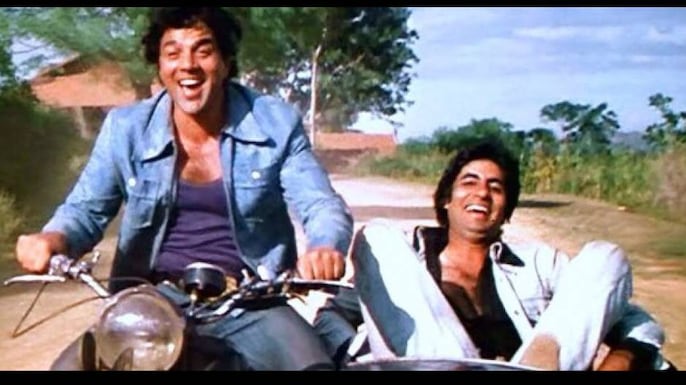
In the cult film Sholay, Dharmendra’s portrayal of Veeru became more than just a character—it turned into a cultural moment. His wit, bravado and chemistry with co-star Amitabh Bachchan still echo across generations.
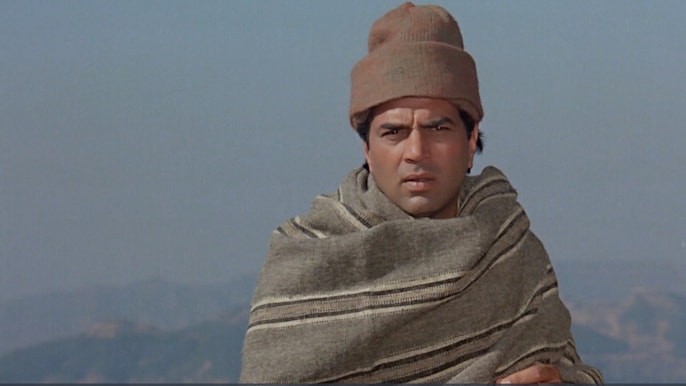
With the film Chupke Chupke, Dharmendra proved he could master both muscle and mirth. His seamless transition into comic timing revealed a depth few expected from Bollywood’s ‘He-Man’.
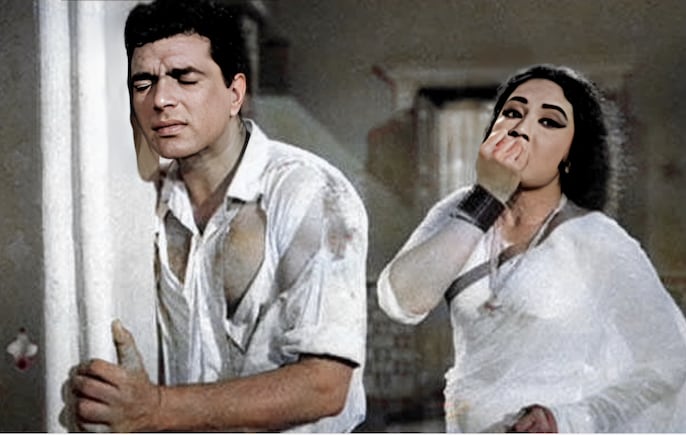
In Phool Aur Patthar Dharmendra’s raw intensity and shirtless depiction signalled a new breed of hero—complex, vulnerable and audacious—all at once.
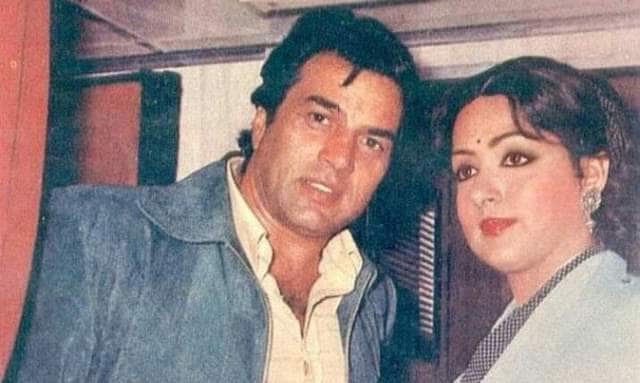
In the action-thriller The Burning Train, Dharmendra’s performance as the steadfast engineer racing against catastrophe reminded audiences why he earned the title “He-Man” of Bollywood.
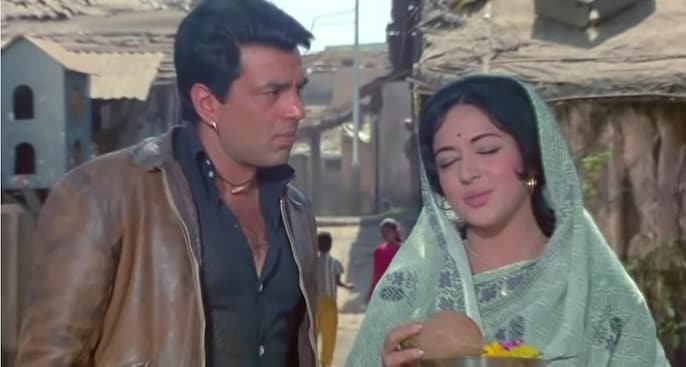
In Seeta Aur Geeta, though the twin sisters took centre stage, Dharmendra’s rugged magnetism and romantic flair made him unforgettable—he played the hero with ease and edge.
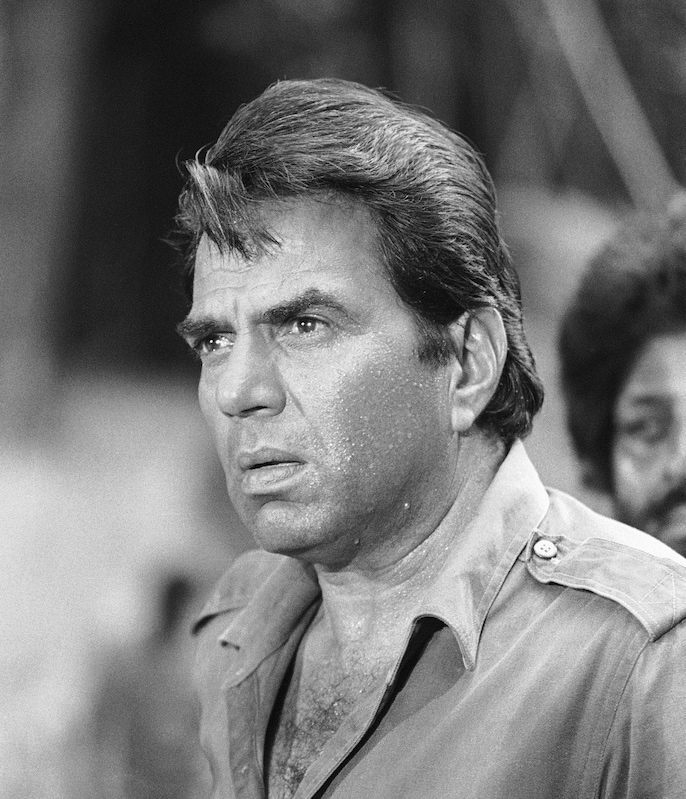
Born in Sahnewal, Punjab in 1935, Dharmendra began with small roles—earning just ₹51 for his debut film Dil Bhi Tera Hum Bhi Tere (1960)—and built a six-decade empire that redefined Hindi cinema’s stardom.

With over 300 films under his belt and decades of dominating audiences, Dharmendra’s filmography became a milestone of Bollywood’s golden era—his talent spanning romance, action, drama and comedy.
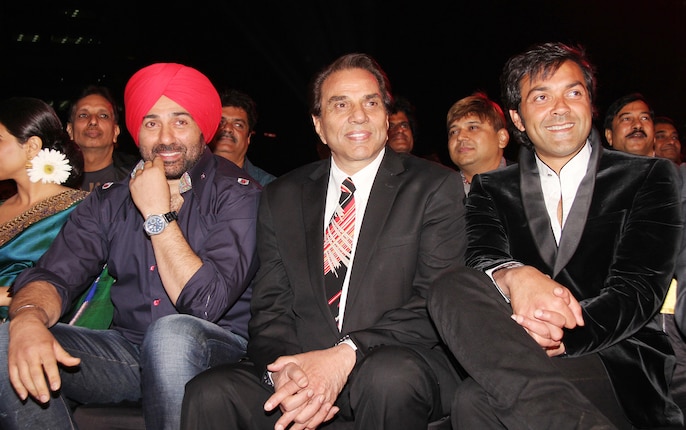
Dharmendra’s journey from rural Punjab to Bollywood legend reflects an era of filmmaking where charisma mattered more than CGI. His persona off-screen—humble, strong, loyal—added to his cinematic myth.
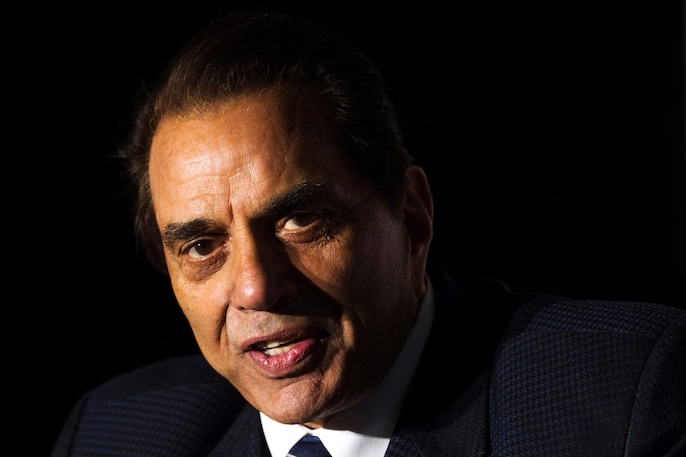
Passed away at age 89 on Monday, his legacy lives on in every Veeru quip, Seeta-Raka dance, and heroic entrance. Bollywood has lost one of its most versatile stars—“Dharam Paaji” forever remains an emblem of Indian cinema.
 Home Loans & Insurance: How Couples Can Structure Them For Tax Efficiency
 Money & Marriage: How Couples Can Divide Household Expenses, Track Spending And Stay On Budget
 Parag Parikh Flexi Cap Fund Underperformance: Is Fund Size Becoming A Major Challenge For Investors?
 Midcap, Smallcap Funds: Strong Profit Growth Could Keep Investor Flows Robust, But Valuations Matter
 Travel Insurance Guide: Where To Buy, How Much Cover You Need & When To Get It