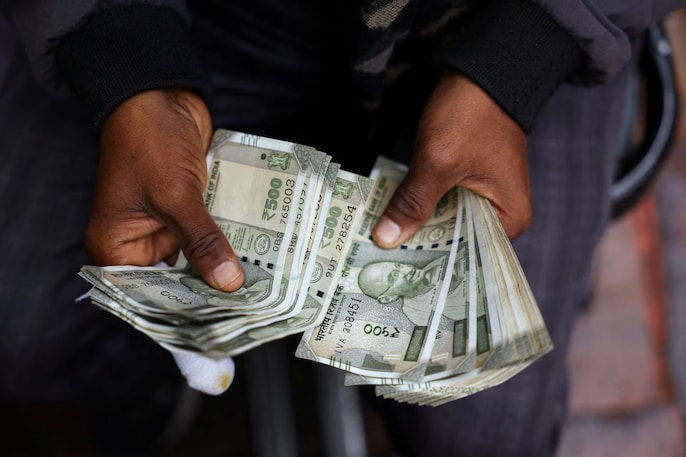
Festival season means more cash around the house, and a familiar question. India has no legal limit on how much cash you can keep at home. The condition is that you can explain where it came from. Most trouble starts elsewhere: when you receive cash, lend it, deposit it, or can't show its source.
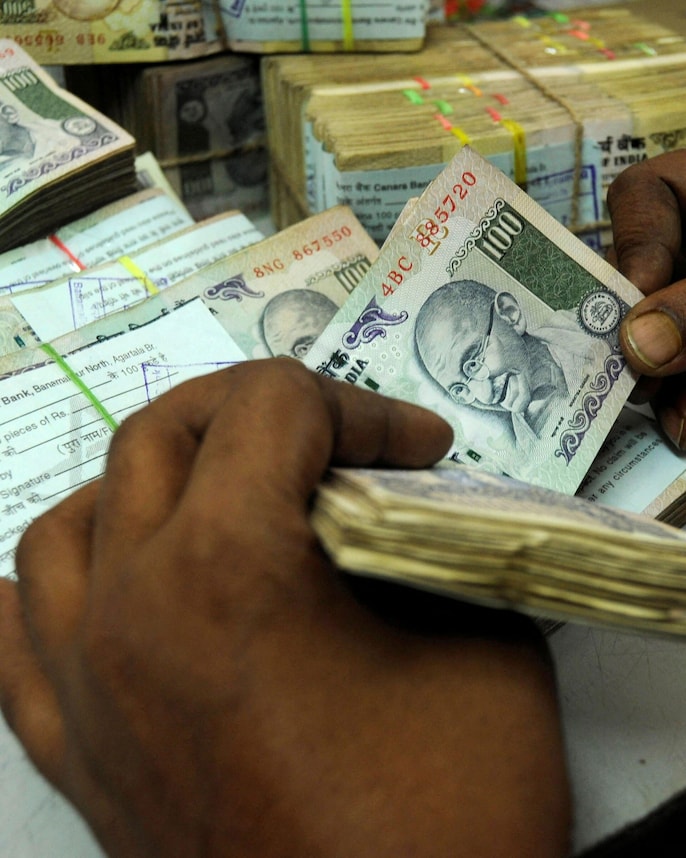
Under section 186 of the Income-tax Act, 2025, you can't accept ₹2 lakh or more in cash from one person in a day, for one transaction, or for one event. Selling a used car for ₹2.5 lakh in cash would be a problem. So would two same-day payments of ₹1.2 lakh and ₹90,000 from one customer. The penalty can equal the amount received.
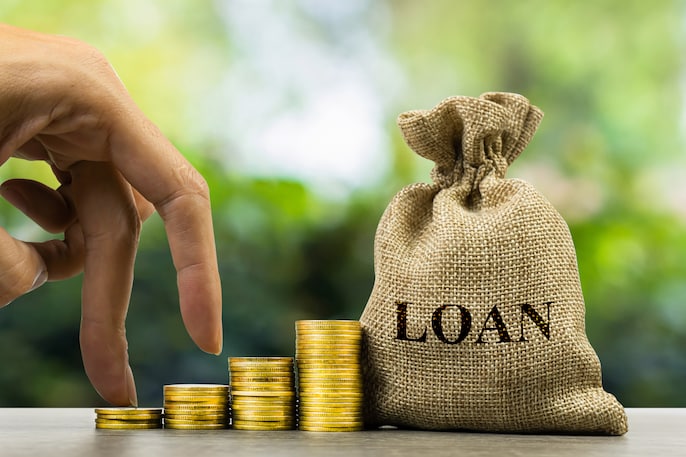
Section 185 bars taking a loan or deposit of ₹20,000 or more in cash. The test also counts unpaid earlier amounts from the same person. So if a friend already owes you ₹15,000 back, a further ₹8,000 in cash breaches the limit. Use UPI, NEFT, RTGS, IMPS or an account-payee cheque. Repayment has its own restrictions.
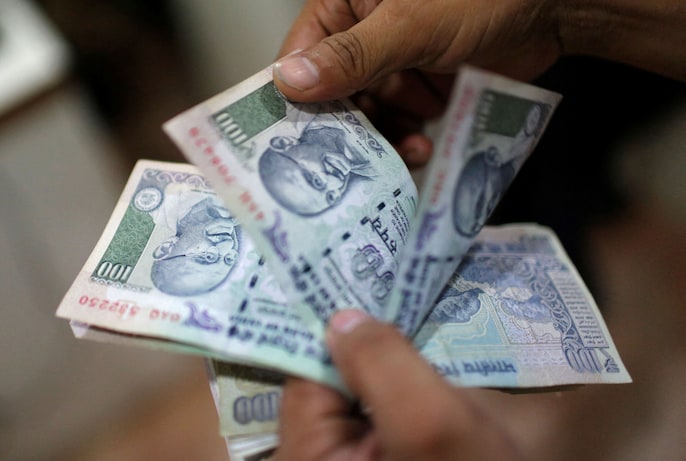
A business paying more than ₹10,000 in cash to one person in a day can lose the tax deduction on the entire payment. The limit is ₹35,000 for goods transporters. This rule, now in section 36, doesn't ban the payment. It makes it costlier, because the expense may be added back to taxable income. Exceptions exist, so check before relying on one.
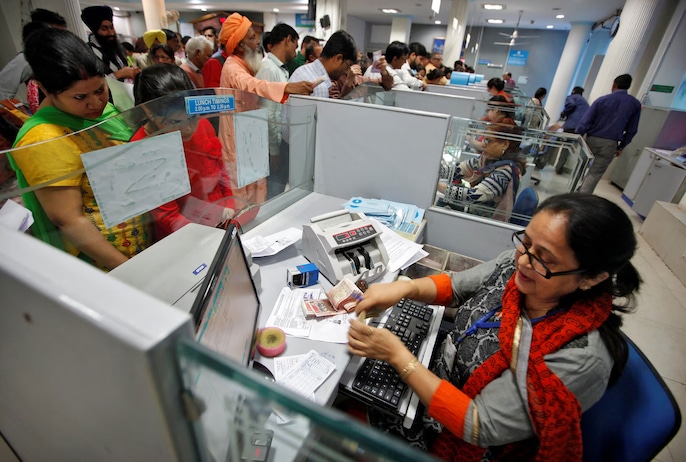
There's no upper cap on cash deposits in a savings account. Banks report them once they total ₹10 lakh in a financial year. For current accounts, the reporting line for deposits or withdrawals is ₹50 lakh. Reporting doesn't make the money taxable. It simply means the amount may need to match your income and return.
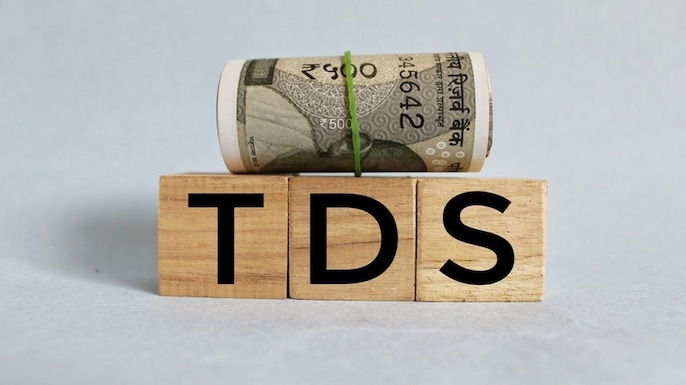
Banks deduct TDS on cash withdrawals above ₹1 crore in a year for people who file returns. For non-filers, the level is ₹20 lakh. CA Club India lists this under section 393(3) of the new Act. Withdrawing your own money isn't illegal, but the record should explain any later redeposit. Withdrawing ₹8 lakh and returning it is easy to show from bank records.
Cash without a satisfactory source can be treated as income under section 104. CA Club India says the special tax is now 30%, about 39% with surcharge and cess, compared with about 78% earlier. If an officer detects it, the misreporting penalty can reach 200% of the tax. Keep bank slips, sale deeds and gift records, and ask a tax adviser about large sums.
 Diwali 2026 Movie Releases: Ramayana To Scene, 5 Films To Watch Out For! | Theater Release This Week
 Metropolis Healthcare Q2 Profit Rises 43% As Revenue Grows 16%, Margins Expand
 Stockal Trading Fraud: ₹100 Crore Investor Losses? Who Will Compensate Investors?
 Voter ID, Biometrics For Panchayat Benefits? Lalan Singh's Proposal Sparks Political Row
 Samsung Galaxy Tab S12+ & S12 Ultra Review: Worth ₹1.5 Lakh?