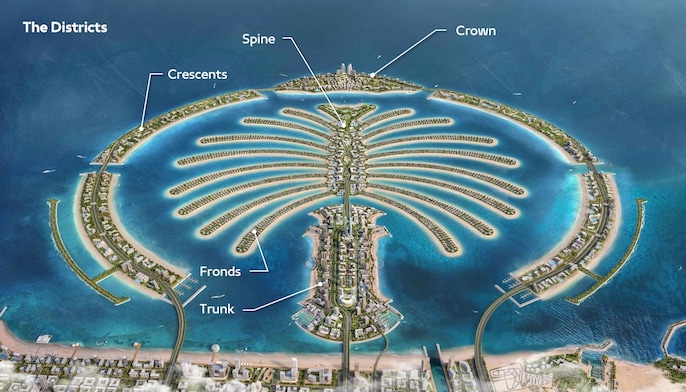
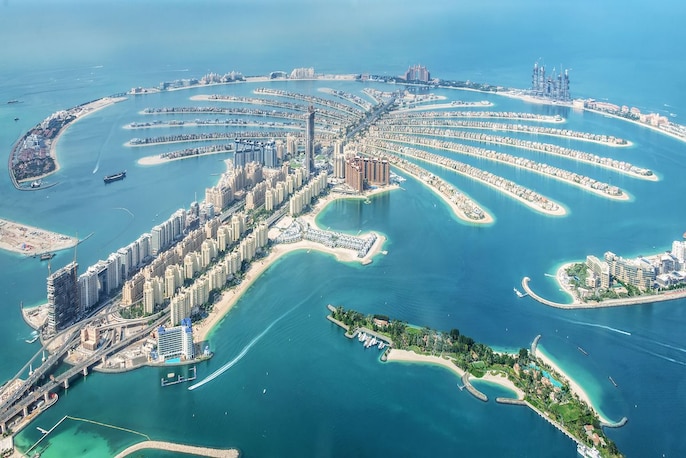
Palm Jebel Ali is set to become the world’s largest palm-shaped island, covering 13.4 sq km—more than twice the size of Palm Jumeirah—adding nearly 100 km of coastline to Dubai.
The island will feature 16–17 fronds and seven interconnected islands, housing over 240,000 residents across 30,000–50,000 families. Expect private beaches, marinas, hotels, resorts, and leisure zones designed for luxury living.
Palm Jebel Ali is being designed as a mixed-use, walkable, smart city. It will include sustainability practices, renewable energy (30% of power from renewables), and efficient mobility options, making it almost self-sufficient.
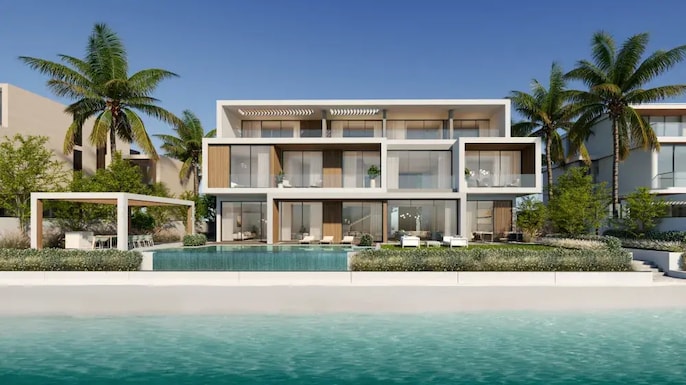
Waterfront apartments and private villas will sit alongside resorts, shopping centres, fine dining, and recreational parks, creating a complete ecosystem for living, working, and leisure.
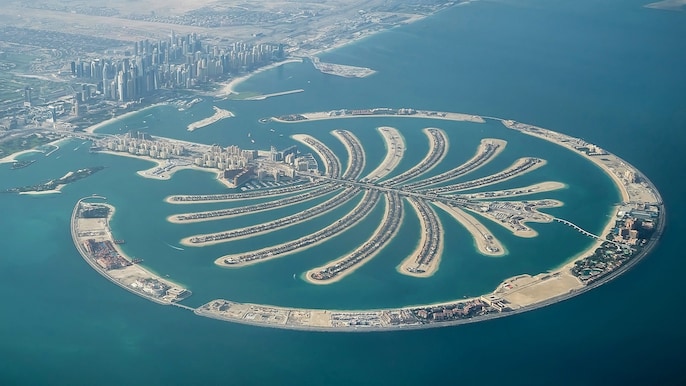
The island’s design merges traditional Gulf and Islamic architecture with modern luxury, celebrating heritage while offering contemporary convenience.
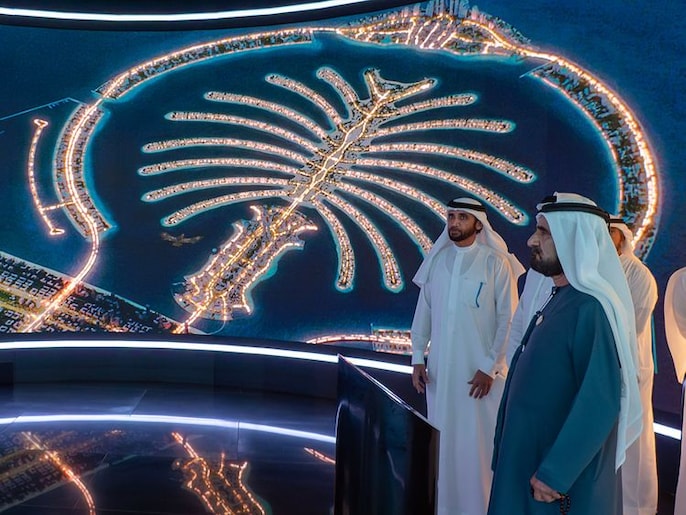
Despite being an island, bridges and waterways will link Palm Jebel Ali to Downtown Dubai, Dubai Marina, and other central areas, combining exclusivity with easy access.
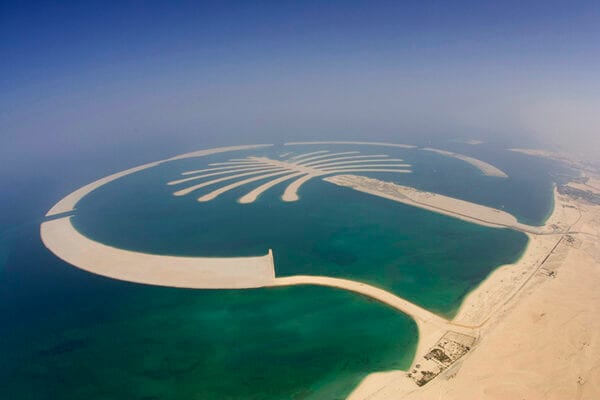
The island is set to become a major tourist hotspot, with private beaches, luxury resorts, marinas, and scenic promenades. It aims to attract global visitors, enhancing Dubai’s tourism economy.
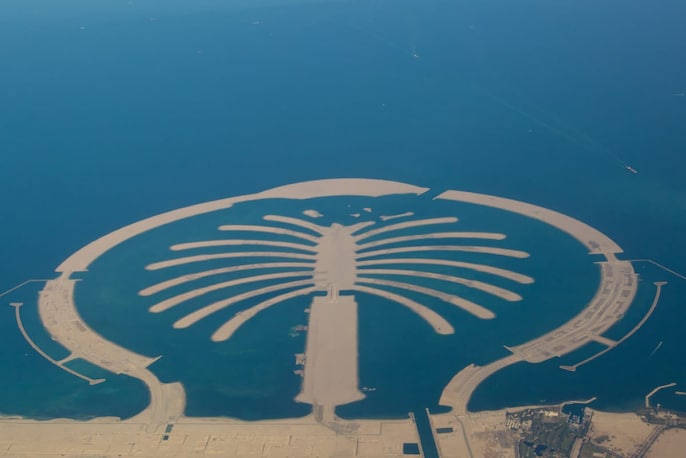
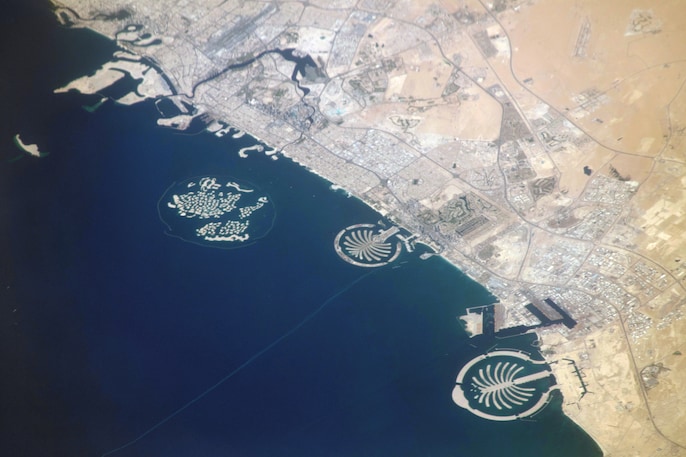
Palm Jebel Ali is part of Dubai’s futuristic vision, including smart city technologies, eco-conscious infrastructure, and flying taxis by 2026, linking the island seamlessly with the mainland.
 Commodity Outlook: Gold & Silver Prices Set To Rebound — Should You Invest? | Money Today
 U.S. Spy Chief In Moscow? Secret C-17 Flight Sparks Mystery Over Ukraine Peace Talks
 Mohan Bhagwat In New York: Mamdani’s RSS Attack Sparks Political Showdown
 Gurugram’s Monsoon Crisis: Garbage-Choked Badshahpur Drain Turns Millennium City Into Flood Zone
 India Market Outlook: Why Global Yields, Not Crude, Could Derail The Earnings Recovery