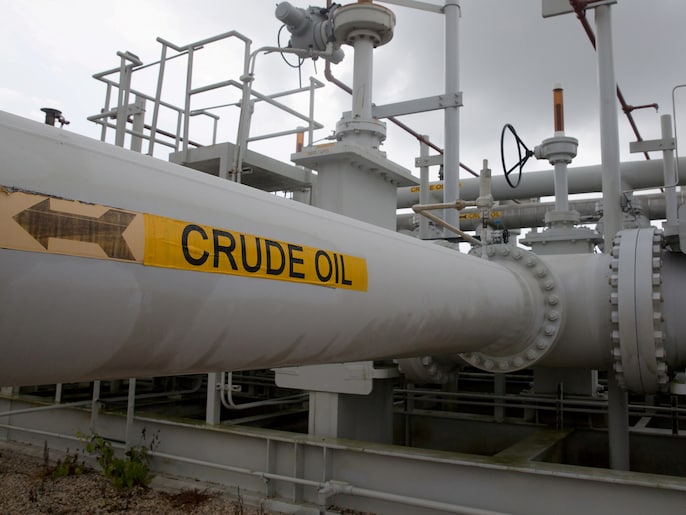
India's oil companies are hemorrhaging ₹2,000 crore every single day as crude rockets past $100/barrel — and the meter is still running. Brokerage firm Systematix says the wound runs deep: ₹45/litre on diesel alone.
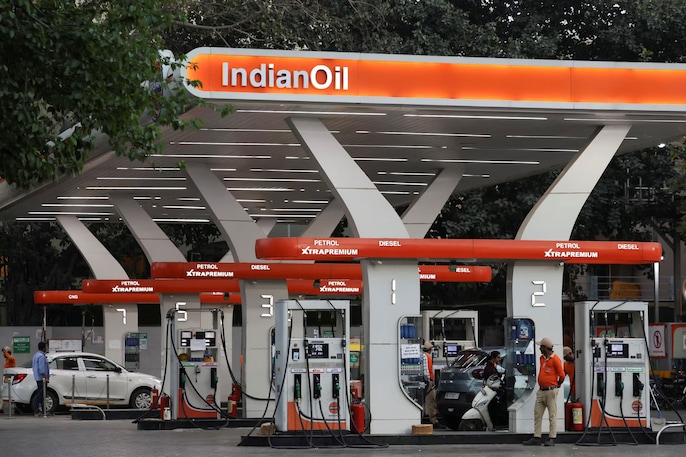
While oil giants bleed, your pump owner sleeps easy. A government-mandated commission structure locks in ₹4.39/litre on petrol — crude price be damned. It's the one cushion in a market on fire.
The real danger for pump owners isn't the price board — it's the working capital trap. When crude surges, buying stock costs a fortune. One sudden price drop and that inventory becomes a slow-motion loss.
$100/barrel crude doesn't just hurt companies — it rewires human behaviour. Commuters carpool, truckers idle, logistics firms reroute. The fear: volumes collapse before prices even rise at the pump.
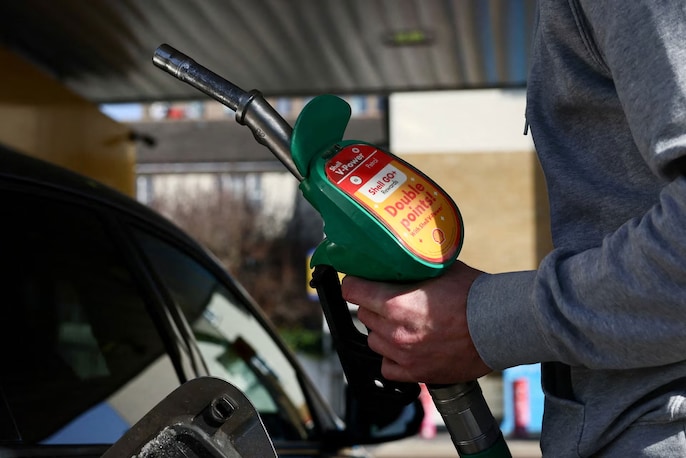
Of Delhi's ₹94.77 petrol price, the government pockets over ₹37 in excise and VAT alone. The pump owner? ₹4.39. The math of who really profits at the nozzle is startling — and largely invisible.

Iran-Israel conflict has done in 15 days what policy debates couldn't in years — crude jumped 30% and exposed every crack in India's 85%-import-dependent energy architecture. One strait, infinite consequences.
Sell 5,000 litres of petrol, earn ₹21,950. Cut expenses in half, pocket ₹10,000. Repeat tomorrow. A pump owner's income is less business, more clockwork — brutal in its simplicity, surprisingly resilient.
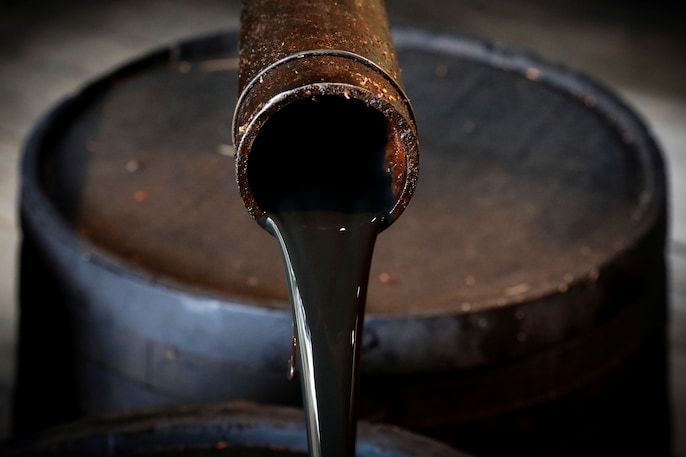
Despite crude breaching $100, Indian retail prices haven't budged. The government is quietly absorbing the blow — but industry insiders warn this generosity has a shelf life measured in weeks, not months.
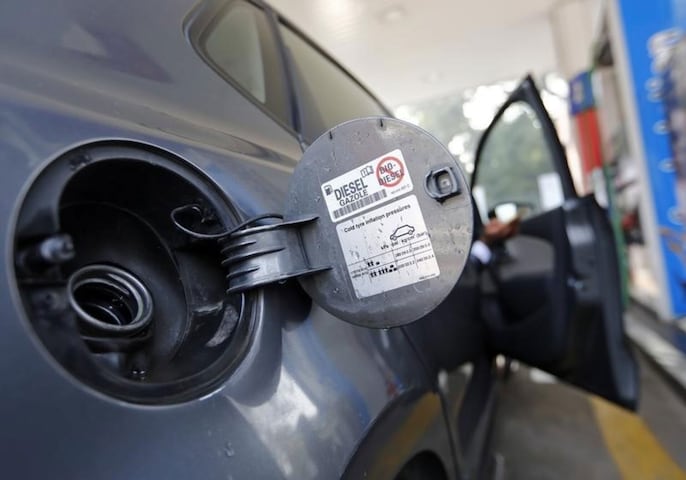
Over 90% of vehicles sold in India still run on petrol or diesel. Electric ambitions aside, the ground reality means pump owners aren't going anywhere — and neither is India's addiction to imported crude.
 How India Changed In 12 Years: PM Modi’s Journey From Economic Reforms To Viksit Bharat
 Modi @76: From Twitter To Instagram, How His Digital Outreach Has Evolved
 Stock Picks To Watch: Shibani Kurian Reveals Kotak AMC’s Market Bets
 Gold ETF vs Physical Gold: Know the Tax Rules, Charges and Key Differences
  PPF vs NPS: Tax Benefits, Returns and Lock-in Period Explained for Retirement Planning