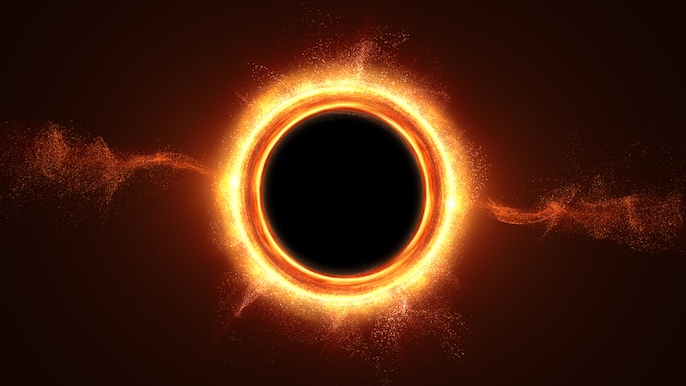
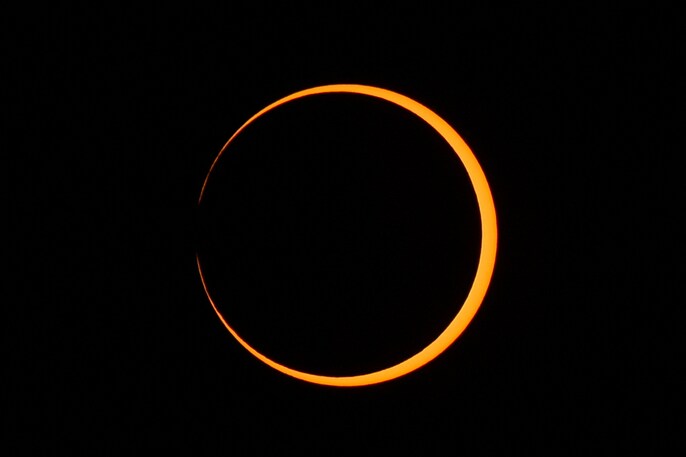
On February 17, the sun briefly becomes a fiery ring — but not for India. Astronomers say this annular eclipse turns daylight into a glowing outline, visible only to those standing in the planet’s most remote corners.
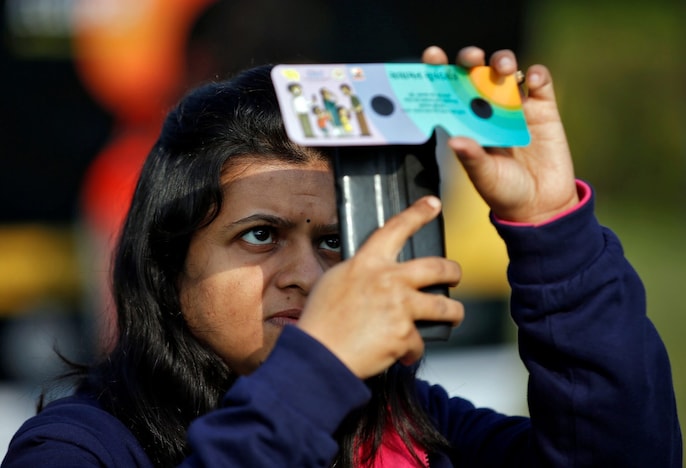
Unlike previous eclipses that stopped traffic and filled rooftops across India, this one happens below the horizon. No shadows, no crescents — just another ordinary afternoon for Indian skies.
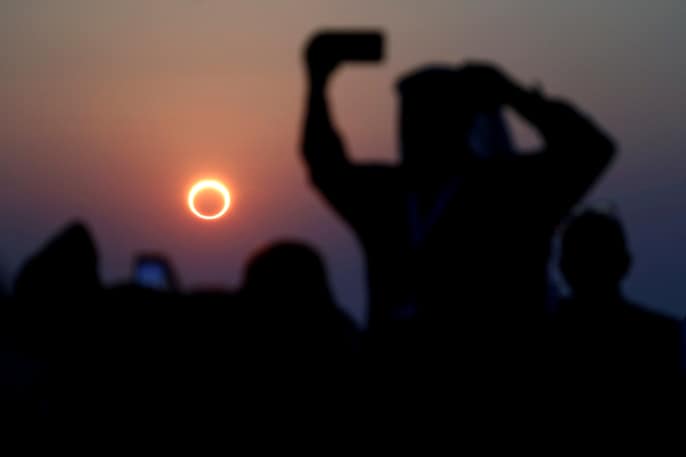
The Ring of Fire will burn silently over Antarctica, watched mainly by scientists at isolated research stations. It’s a front-row cosmic event unfolding where almost no one lives.
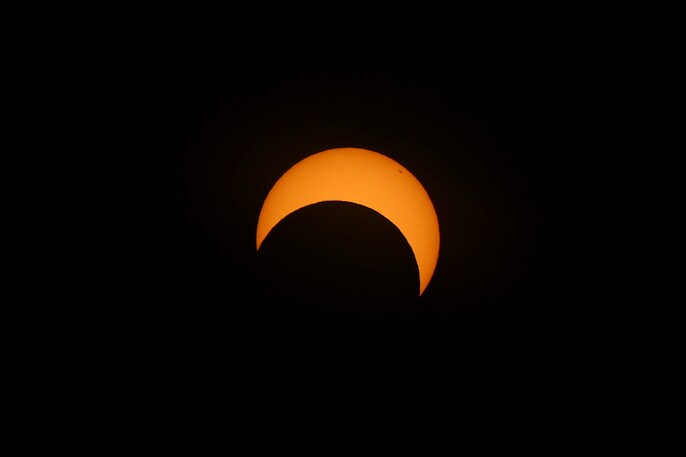
This eclipse hinges on a cosmic misalignment: the moon appears slightly smaller than the sun. That tiny difference creates the glowing halo — a reminder of how precise celestial mechanics must be.
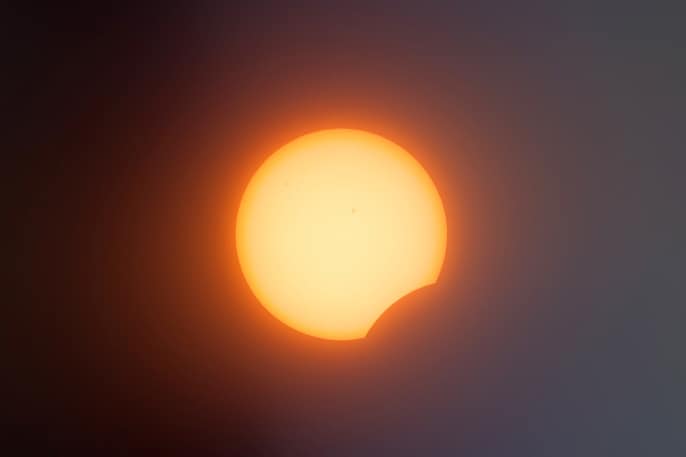
For those lucky enough to stand in the annular path, the Ring of Fire lasts just over two minutes. Miss the timing, and the spectacle vanishes without warning.
India isn’t alone. Most of the United States will also sleep through the event as it unfolds overnight, reinforcing how selective eclipses can be.
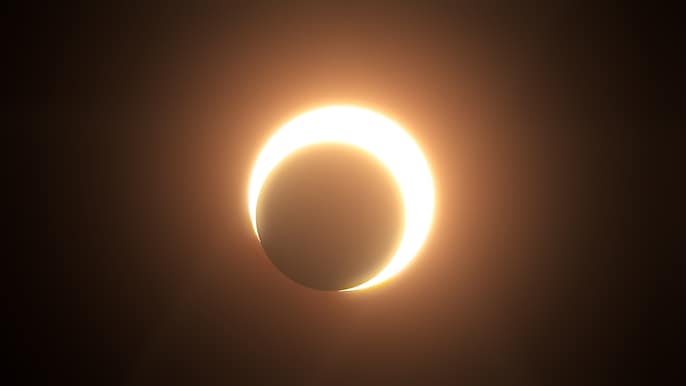
Parts of southern Africa and South America will see only a partial eclipse. Experts note that even 96% coverage won’t bring darkness — the sun still dominates.
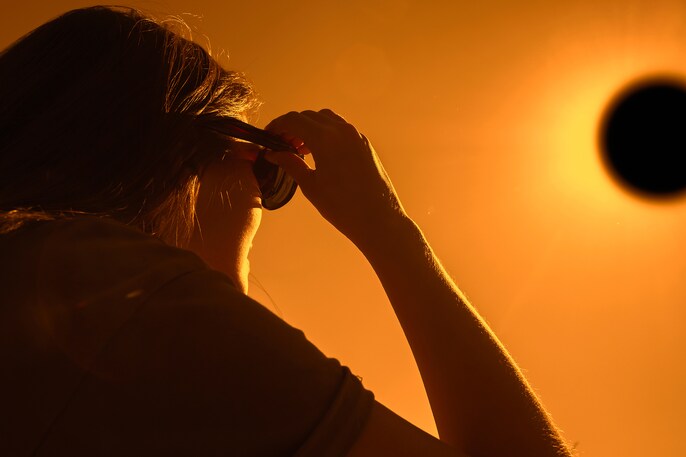
Eye specialists warn that annular eclipses are more dangerous than total ones. Without proper solar filters, even a brief glance can cause permanent retinal damage.
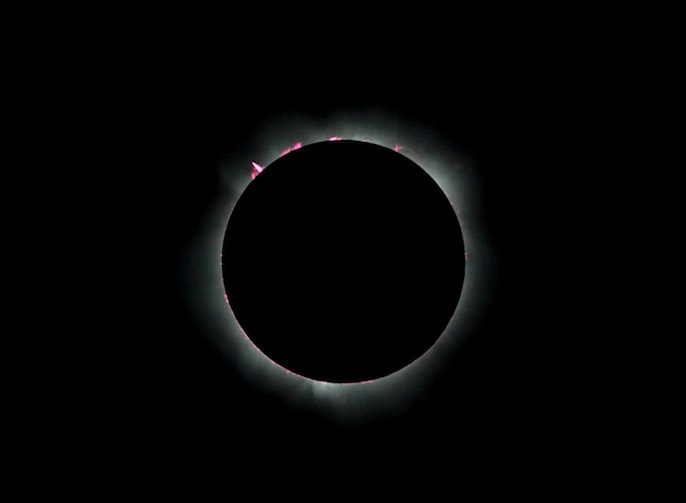
This eclipse proves nature doesn’t schedule spectacles for convenience. While India watches from afar, Antarctica becomes Earth’s unlikely celestial stage.
 CEA On India’s 7.8% Growth, Rural Incomes And Government’s Job Creation Push
  Gold Price Outlook: Why Dollar Weakness Could Keep Gold And Silver Prices Attractive Ahead
 Gold vs Silver Investment Strategy: Is This The Right Time To Buy For Long-Term Returns?
 Corporate Vs Personal Health Insurance: Which Is Better On A Budget?
 Gold Price Outlook: Why Gold Could Rise Despite Global Interest Rate Hikes | Silver Market Update